 In this story by Octavia Butler, Earth’s economy collapses following the arrival of an advanced alien race that settles in the world’s deserts. A reluctant co-existence develops when it becomes clear that the aliens cannot be destroyed. The protagonist, kidnapped by the aliens at age eleven and subjected to cruel experiments, is now an Interpreter for one of their “communities”. Her current mission: to “calm” and prepare six recruits for well-paid positions translating for other communities. Although they need the job, the applicants are full of anger and hostility towards the aliens. Themes: fear, ignorance, social experimentation, torture, hatred, détente. More…
Zero Hour
 This chilling story by Ray Bradbury involves an inattentive mother, a feisty seven-year-old girl, and her imaginary friend Drill. Throughout most of the story, the girl leads her friends in a construction game following instructions she receives from Drill. Her mother later learns that groups of children across America are playing the same game. Its name is “Invasion”, and for her the climax comes in a single word: Peekaboo. The major theme of the story is complacency. The mother senses something is wrong, but doesn’t act until too late. Other themes include human smugness (We’re impregnable!), childhood innocence/impressionability, manipulation, fear. More…
The Legend of Sleepy Hollow
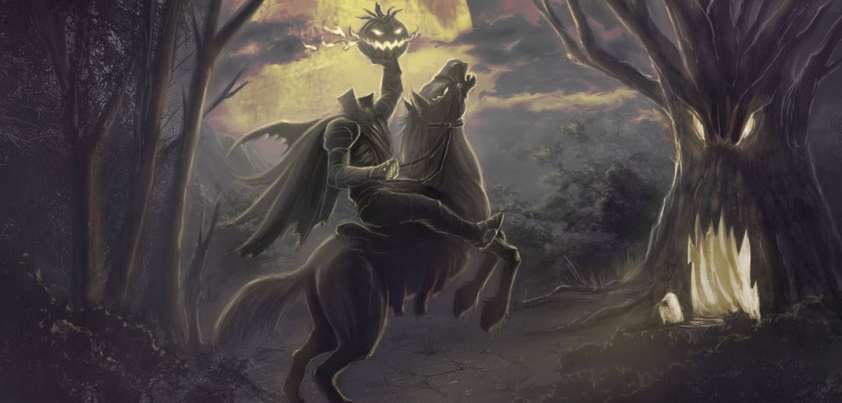 The central character of this story by Washington Irving is a greedy city schoolmaster who moves to a school in a sleepy country town and sets about getting rich by marrying the daughter of a wealthy landowner. The teacher’s proposal is rejected, and he disappears one night after being chased by the “ghost” of a headless horseman. Major themes include storytelling (tall-tales), superstition, greed (Ichabod), fickleness (Katrina), ambiguity (in relation to both the horseman’s identity and Ichabod’s fate), and city vs. country perceptions (conniving sophistication vs. integrity and practicality). More…
The Reluctant Dragon
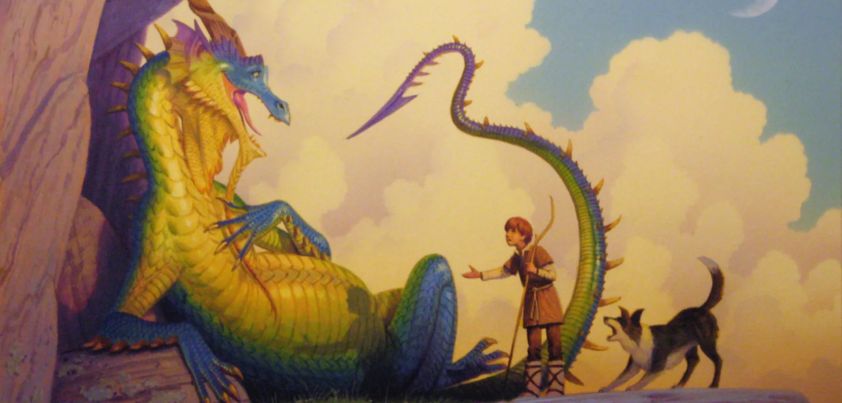 In the popular legend of St. George and the Dragon, a courageous soldier rescues a princess chosen as a tribute (and next meal) for a marauding dragon. This witty, light-hearted tale from Kenneth Grahame parodies this legend. However, there is no princess and the dragon in question is friendly, cultured and, as he admits himself, lazy. The major theme is that the best way to resolve a problem is to sit down and talk about it. Other themes: friendship, daring to be “different” (Boy and dragon); judging by appearances, bloodsports (the villagers); maintaining face/reputation, compassion (St. George). More…
A Village After Dark
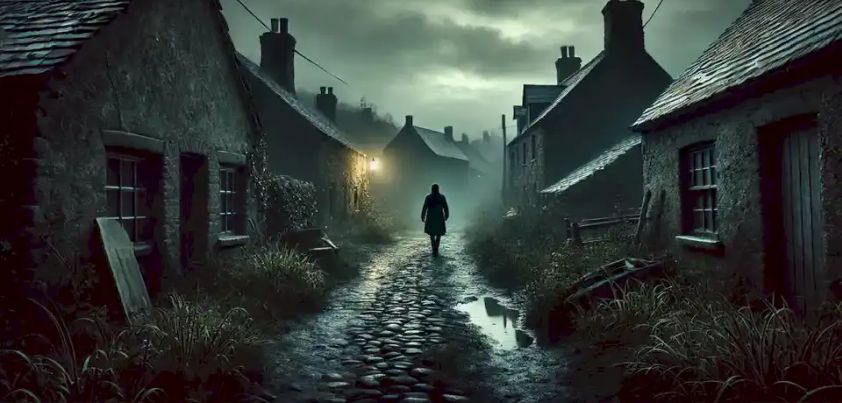 If you like a story where everything is neatly tied up at the end, this dream-like tale by Kazuo Ishiguro may not be for you. A filthy, feeble old man dressed in rags returns to a village in which he was a person of influence many years ago. His memory is failing, so the village feels somewhat alien. His purpose is to “make amends”, but we aren’t told what for, Older villagers are uneasy about his return, while to the younger generation he is a cult-like hero. Themes include identity, alienation, redemption, jealousy/ego, bullying, aging and the fragility of memory. More…