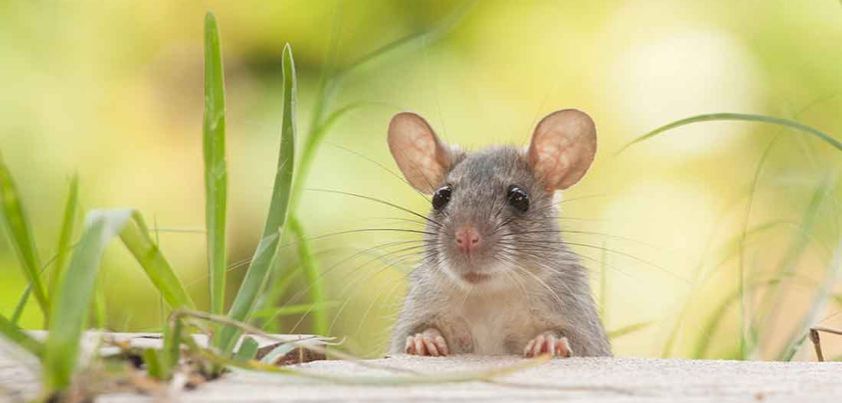
 This story by Saki satirizes the social sensitivities of the late-Victorian/Edwardian middle class. A prudish young man who has had a sheltered upbringing returns to the city from a farm visit. Sharing his train compartment is a woman who appears to be sleeping. He soon finds they are not alone… he has a mouse in his pants! To avoid offending the woman and causing a scene, he removes his trousers by hiding behind a blanket. Unfortunately, the blanket falls before can he put them on again and the woman wakes up. Themes include propriety, embarrassment, dissimulation, insensitivity towards others. More…
Victoria and Her Kimono
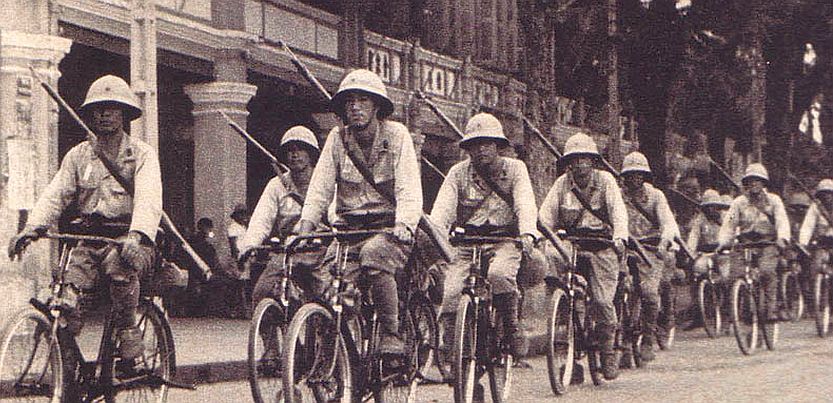 This story by M. Shanmughalingam is in two parts. The first is a humorous description of pre-World War 2 goings-on at one of Kuala Lumpur’s most prestigious secondary schools. Told from the point of view of an “old school” disciplinarian English teacher, it has a Monty Python-like ring to it. The second deals with the brutality and privation associated with Japanese occupation and how, thanks to a home-made kimono and a few words of Japanese, the Tigress of Asia (the teacher’s wife) saves his life. Themes include colonialism, the power of language, suffering, courage, resilience. More…
Magnificence
 This confronting story by Estrella Alfon explores one of a parent’s worst nightmares: the sexual abuse of a child by someone they know. An after-school tutor, loved and trusted by his two students, “loses control” and soils the dress of a seven-year-old girl he had placed on his knee. The major theme is the “magnificence” of the mother in confronting and humiliating the man. Set in 1950s Philippines, a secondary feminist theme is gender reversal and empowerment – the need for women to fight back against male mistreatment. Other themes include innocence, motherly love, child abuse, betrayal, absentee parenting (the father). More…
Dusk
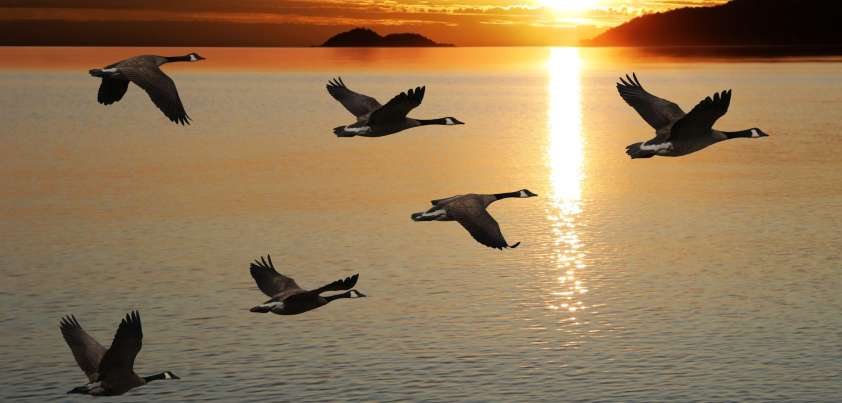 James Salter’s Dusk is about the loneliness of reaching middle age and finding yourself alone in the world. Mrs Chandler is a cultured woman who once led an active social life. The narrator describes her as a fine woman whom no one now wanted. Her only son is dead, her other children have moved on, her husband has left her, and her lover is reuniting with his wife. It is hunting season, and she identifies with the wild geese being shot for sport: The rain was coming down, the sea was crashing, a comrade lay dead in the whirling darkness. More…
Drifting House
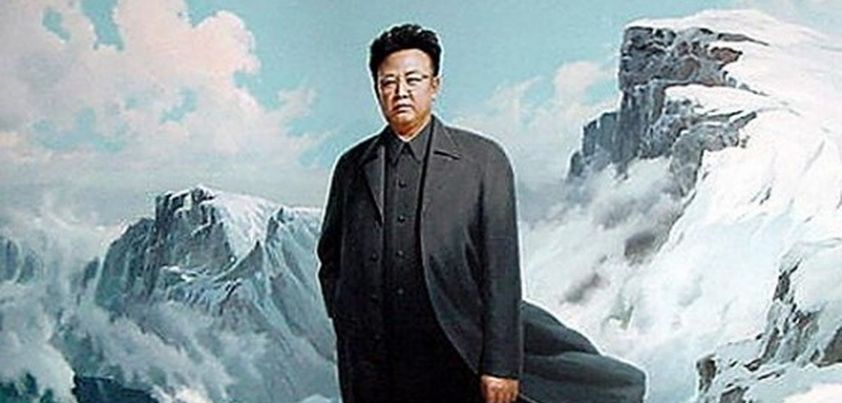 This confronting story by Krys Lee opens in a remote North Korean village created for those the government called the “wavering or hostile class”. Government food rations have been cut off and two starving, malnourished boys abandoned by their mother struggle across a snow-covered mountain to try to join her in China. The older boy carries their dying infant sister. Unable to carry her any further, he humanely ends her suffering. Despite their dire circumstances, he reveres his country’s “Dear Leader”, and expresses hatred for the American imperialists said to be responsible. Themes include family, abandonment, hunger, despair, guilt, indoctrination. More…