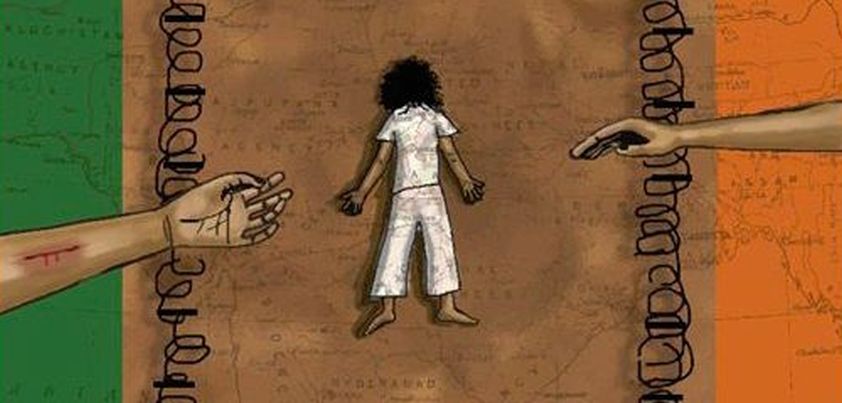
 This month marks the 75th anniversary of the partition of British India into two countries: Hindustan and Pakistan. Some years ago we featured Rajinder Singh Bedi’s Lajwanti, a Partition story from an Indian viewpoint. In honor of the occasion, we are pleased to provide this story from the Pakistan side by controversial writer Saadat Hasan Manto. This is not your usual Partition story of mass displacement and violence. Instead, it is a clever satire of the governments of the two countries, as reflected in a decision several years later to exchange institutionalized lunatics. Themes: insanity, separation, religious segregation, nationality, confusion, belonging. More…
Lather and Nothing Else
 In this story by Hernando Téllez, a barber who secretly supports a revolutionary cause has a dilemma when an army captain who is particularly brutal in putting down the revolt asks for a shave. As the officer sits in the chair, the barber is torn between his professional duty (to give his customer the best possible shave), his revolutionary duty (to kill the captain, which will make him a hero but potentially force him to hide for the rest of his life), and moral qualms about murder. Themes include power and control, choices and consequences, violence, professionalism, duty, morality, trust. More…
The Beautiful People
 The dystopian civilization envisioned in this Charles Beaumont story has eliminated many of today’s “distractions” such as food preparation, books and even the need for sleep. It has also specified uniform male and female appearances to be adopted by undergoing a “Transformation” (operation) upon turning nineteen. A brave girl resists the change, not only putting her job and family’s social position at risk, but also threatening social stability. As she is frog-marched to the operating theater, she realizes the sinister purpose of Transformation… to remove the population’s sense of individual identity. Themes: identity, body shaming, scientific “advancement”, superficial beauty, conformity. More…
The Sheriff’s Children
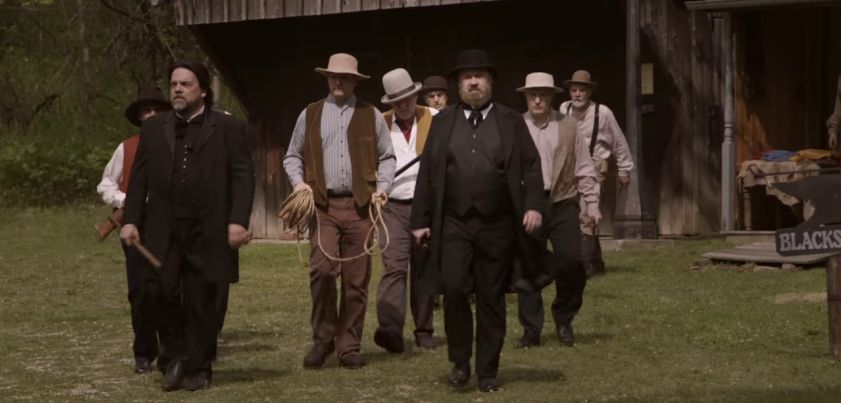 In this story by Charles W. Chesnutt, a highly respected sheriff with a strong sense of duty protects an alleged murderer from a vigilante mob. He later learns that the prisoner, a mixed race former slave, is his son by a slave woman he had once owned. Believing his son to be innocent, the sheriff faces a dilemma. Should he do his duty (keep him safe until his trial and almost certain hanging) or take responsibility for his welfare (let him ‘escape’)? Themes: race and racism, frontier justice, slavery, identity, regret, duty vs. responsibility. More…
Fatso
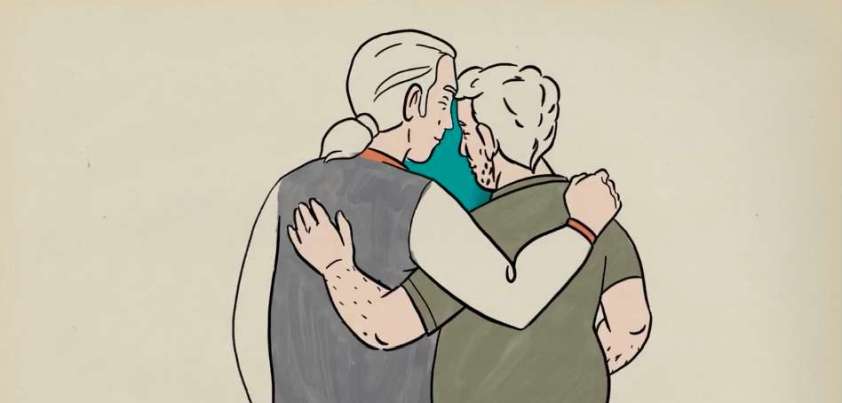 The concept of shapeshifting is not new. Examples exist in mythology, fairy-tales, and innumerable science fiction plots. The protagonist in this Etgar Keret story falls in love with a woman who is beautiful by day but, in a twist on Princess Fiona of Shrek fame, turns into a fat, hairy man by night. The man and womanly side remain lovers and even contemplate a family (ugh!), while he and the fat man become good friends. As absurd as the story might seem, it contains an important message about the role of friends in ensuring a complete and fulfilling life. More…