 This story by Patricia Grace paints a poignant picture of an elderly woman who has lived alone for fifteen years after her husband’s death. She comforts herself by imagining him as a star which, along with other loved ones who have since died, watches over her at night. She has given away most of her belongings and lives a spartan but contented life, ever watchful for visitors who never come and listening for a telephone that never rings. As the story ends, she “wakes” to find her bed surrounded by dancing stars. Themes include independence, ageing with grace, contentment, loneliness. More…
The Stars
 This story by S. Rajaratnam is a biting satire of the “science” of astrology. Inspired by the author’s Hindu upbringing in which those around him shared a strong belief that one’s destiny is written in the stars, he relates the tale of an Indian farmer who doubles as his village astrologer. Having charted his own stars and determined the date and time of his death, he decides to silence sceptics by inviting the whole village to witness and celebrate the event. Themes include astrology, determinism vs. free will, obsession, faith, failure (“miscalculation”), scepticism. More…
The Storyteller
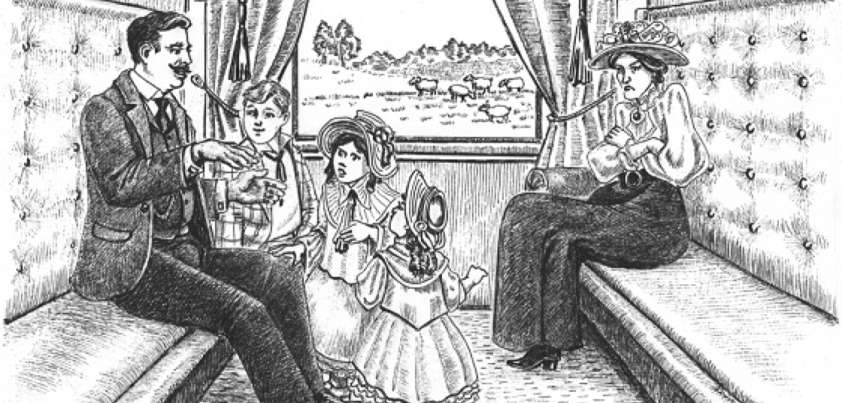 This story by Saki satirizes the way many traditional children’s stories had become so “sanitized” during the prudish Victorian period that they lost much of their original appeal. A major theme of the story is pride. The outer or “frame” story highlights the Aunt’s false pride in thinking that a bachelor couldn’t possibly tell a better children’s story than she could. The inner story illustrates the meaning of the English idiom Pride comes before a fall. Other themes include childhood, curiosity, control, “goodness” vs. reality (not all good people/things in life end happily!) More…
The Treasure of Lemon Brown
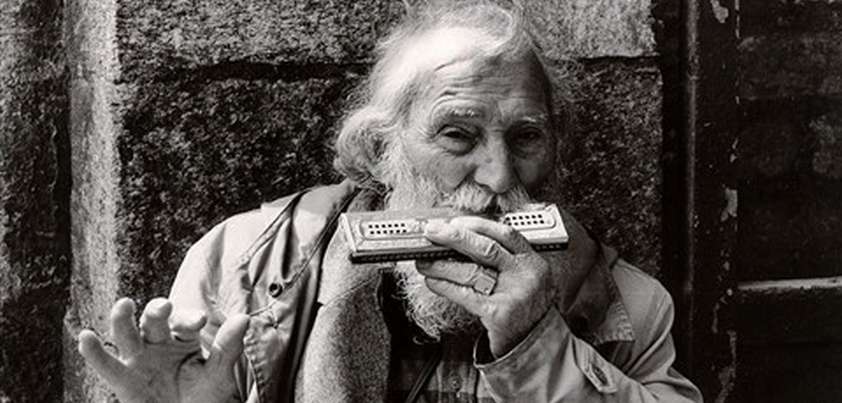 The ‘Treasure’ in this Walter Dean Myers story comprises press clippings and an old harmonica that Lemon Brown gave his son before he went off to war. Their value lies in the memories they represent. Meeting Lemon teaches protagonist Greg about the human side of homelessness, and that not all match the stereotype of being dirty, lazy or crazy. He also learns to be more appreciative of his father’s efforts to build a career after having to leave school at thirteen. We are left wondering if it will also result in Greg trying harder at math. Themes: father-son relationships, homelessness. More…
No Witchcraft for Sale
 Doris Lessing’s years growing up on a Rhodesian farm add credibility to this story about a condescending white family’s relationship with their native cook who, it seems, doubles as a local medicine man. The closeness that exists between the cook and their young son evaporates as the boy ages and becomes aware of racial issues, but is rekindled when the cook uses “bush medicine” to save the boy’s eyesight. The parents’ gratitude turns to anger as the cook refuses to reveal the secret of the cure to a greedy scientist. Themes: racism, ancient wisdom, altruism vs. commercial exploitation, cultural conflict. More…