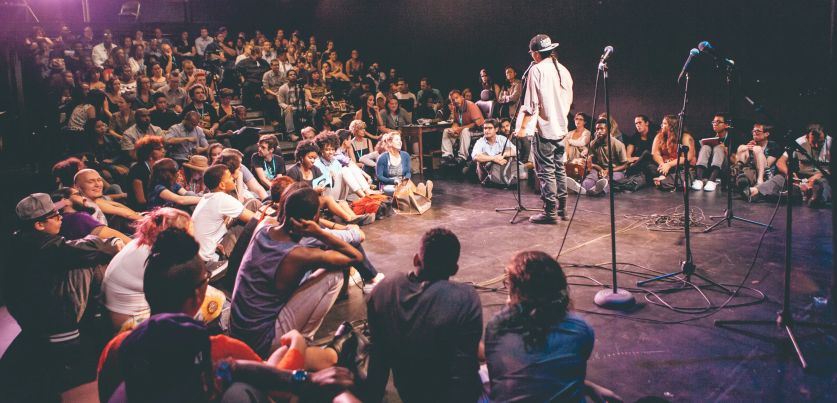
 A major theme of this story by Richard Peck is the benefit of occasionally stepping out of one’s comfort zone. When junior high schooler Gene “goes along” to a poetry recital with students from a higher English class, he doesn’t “go along” with the students in his own class who ignore the opportunity. Although it isn’t clear whether Gene gains an appreciation for poetry, he is lucky enough to sit with, and starts to “get along” with, the hottest girl in his grade. Other themes include independence vs. conformity to peer pressure, and friendship. More…
The Machine That Won the War
 This story by Isaac Asimov remains relevant today as technology plays an increasing role in controlling everything from military applications to crucial infrastructure. An inter-planetary war has been won, Earth is safe, and three men bask in the glory. Ironically, it wasn’t won by a machine or any of the three ‘experts’. It was won either by chance or because of problems experienced by the enemy. Pointedly, no thought is given to the rights and wrongs of the war, or the suffering on both sides. Themes include war, hubris, the fallibility of machine and human decision-making, chance. More…
The Happiest I’ve Been
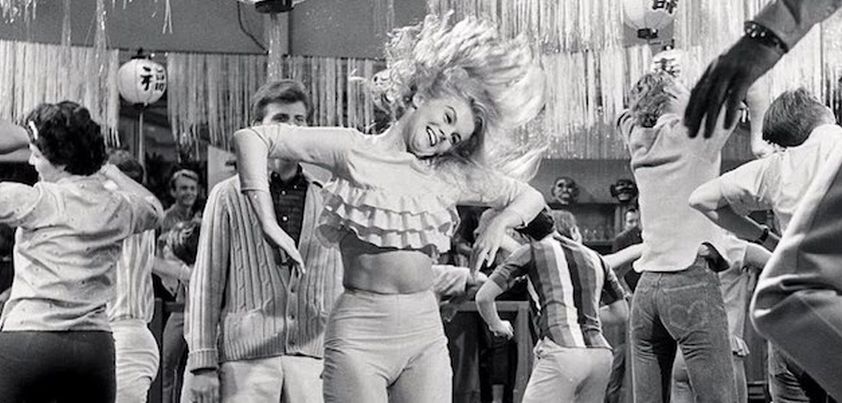 This acclaimed story from John Updike concludes with the protagonist attributing his overwhelming happiness to driving a powerful car through the stunning Pennsylvania countryside, blessed irresponsibility, a waiting girl who would marry him, and twice being trusted enough for someone to fall asleep beside him. The second-year university student is on the cusp of manhood. Observing the party he had been going to all his life the previous night taught the shy loner that he, along with his friends, have out-grown childhood and need to move on with their lives. Themes: solitude, nostalgia, transition (from childhood to adulthood), looking ahead. More…
The Wave
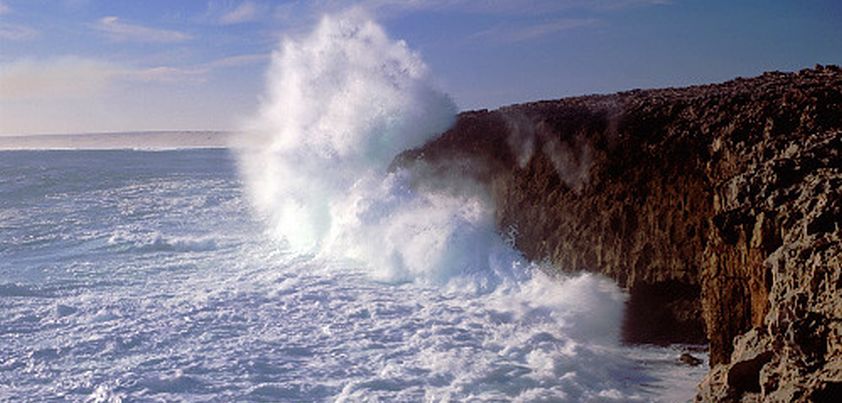 The only “characters” in this vignette from Liam O’Flaherty are a cliff, waves, and “the wave”. Major themes include permanence, time, the power of nature/many. O’Flaherty was a noted Republican, and the story can be looked upon as a powerful allegory of Ireland’s struggle for independence. The cliff (Britain) stands firm and resolute, having successfully weathered many storms over its long history. Individually, the smaller waves (the Irish people) make little impression against its rocky walls. Working together, and combining to form “the wave”, they have enough power to begin breaking down the mighty cliff. More…
Filboid Studge
 This story is from Saki is a spoof on modern advertising. A businessman who had invested all his money into a failed breakfast food requests help from an impoverished artist who wants to marry his daughter. The artist gives the product an unappetising name and promotes it with a poster of celebrities in Hell clamouring for the unpalatable dish “they cannot buy now”. Sales take off, and the businessman sells the company and marries his daughter to someone a “vast deal higher” than the hapless artist. Themes include despair, the power of advertising, branding (appeal to duty/guilt), social class, ingratitude/betrayal. More…