 This story by Bharati Mukherjee explores the cultural transformation that occurs when the wife of an Indian textile executive moves to New York on a two-year scholarship to complete a doctoral degree. The freedom she experiences when no longer bound by the traditions and strict social conventions of her homeland allows her to find her identity. The change is emphasized as she accompanies her husband around the city during a short visit partway through the course, and raises the question of how she will fare upon return to India. Themes include identity, communication, culture clash, gender roles, liberation. More…
The Harvest
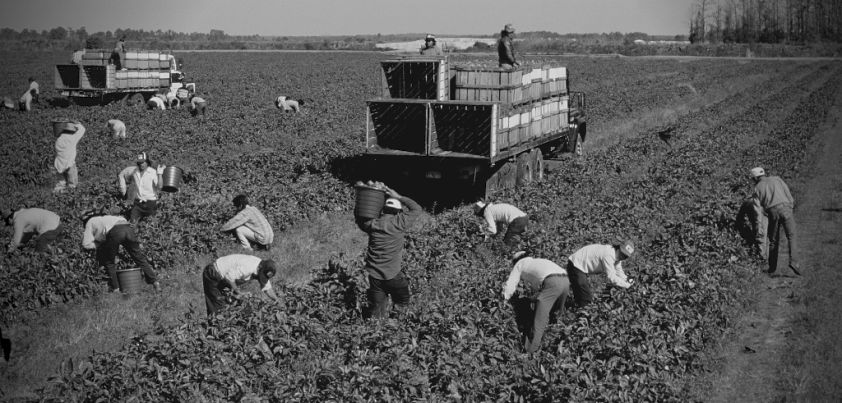 This is one of a series of stories by Tomás Rivera about Mexican-American seasonal farm workers. The harvest is over and, as a group is looking forward to returning to their home base in Texas, they begin to wonder about the unusual behaviour of one of their older members. The single man with no family walks alone into the fields each afternoon, and refuses to allow anyone to follow. Rumors circulate among younger workers that he either is hiding his wages somewhere, or has found buried treasure. Themes include materialism, ritual, spiritual connection to nature and the land. More…
Bloodchild
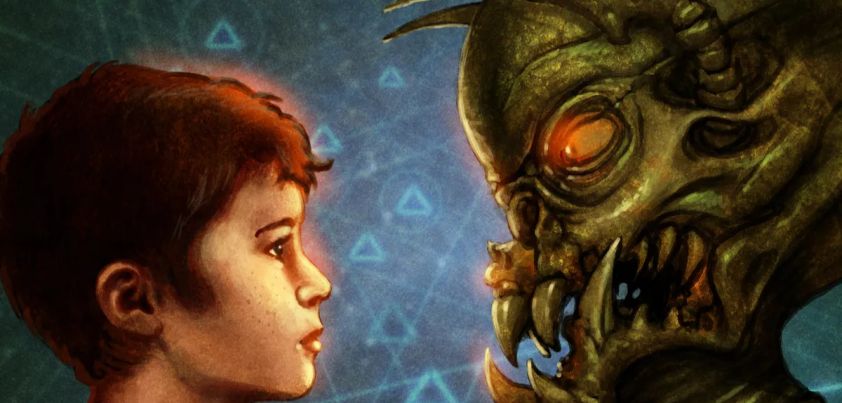 Octavia Butler described this as her “pregnant man” story. A colony of humans fleeing some kind of trouble takes shelter on a planet inhabited by giant, insect-like beings. The insects (Tlics) develop a symbiotic relationship with the humans (Terrans). In exchange for protection, adolescent boys are allocated to Tlic families, where they must incubate a Tlic mother’s eggs. The eggs are implanted in their abdomen, necessitating a rather gruesome but usually successful delivery process. Understandably, the Terran protagonist who has just reached maturity is having second thoughts about this. Themes: exploitation vs. interdependence, gender roles, fear, sacrifice vs. jealousy, love. More…
Glory
 Glory (aka Glorybetogod), the protagonist in this Lesley Nneka Arimah story, is so screwed-up and irresponsible as to be almost likeable. As foreshadowed by her grandfather at birth, Glory’s history is one of poor life choices. At the end of the story, she has yet another decision to make. A “yes” will lead to the kind of life that most single Nigerian women her age dream of. A “no” could send her back to contemplating how a bottle of Moscato would pair with thirty gelcap sleeping pills. Themes: superstition, parental expectations, choices and consequences. More…
The Machine That Won the War
 This story by Isaac Asimov remains relevant today as technology plays an increasing role in controlling everything from military applications to crucial infrastructure. An inter-planetary war has been won, Earth is safe, and three men bask in the glory. Ironically, it wasn’t won by a machine or any of the three ‘experts’. It was won either by chance or because of problems experienced by the enemy. Pointedly, no thought is given to the rights and wrongs of the war, or the suffering on both sides. Themes include war, hubris, the fallibility of machine and human decision-making, chance. More…