 First time readers of this narrative from Luigi Pirandello may find it confusing until the last few paragraphs. The story is an allegory of life, contracted into a single day. The day begins as the disoriented protagonist is unceremoniously cast out of a train carriage into the dawn, and ends with him lying on his deathbed surrounded by his children and grandchildren. Themes include alienation (not knowing oneself, lack of self-confidence, exclusion); identity (what makes us who we are – clothes, occupation, recognition, money, possessions, family); and time (the speed at which life appears to have passed as we age). More…
Last Night
 This story by James Salter explores the theme of euthanasia (enabling assisted death with dignity for those for whom natural death will involve great suffering). A woman with an incurable illness enlists her husband to help her die. After the couple enjoy a last night out with a close friend, we learn that the man is not the loyal and loving husband we first thought him to be. He receives a surprise the next morning as the title of the story takes on a new meaning. Other themes include materialism, taking life for granted, betrayal, adultery, rape More…
Kusum
 In this story by Khushwant Singh, a young university student belatedly has a sexual awakening. Overweight and physically unattractive, she has compensated by being a model student and good girl with a capital G. Accepting her lot, she has shunned boys and had no interest in sex. That is until her passions are stirred by an accidental encounter with a cheeky young street hawker who makes an obscene, possibly flirtatious gesture at her. She puts on make-up, looks in her mirror, and an attractive, dark-eyed girl smiles back. Themes include identity, self-image, alienation, self-confidence, physical vs. inner beauty, sexuality. More…
The Golden Honeymoon
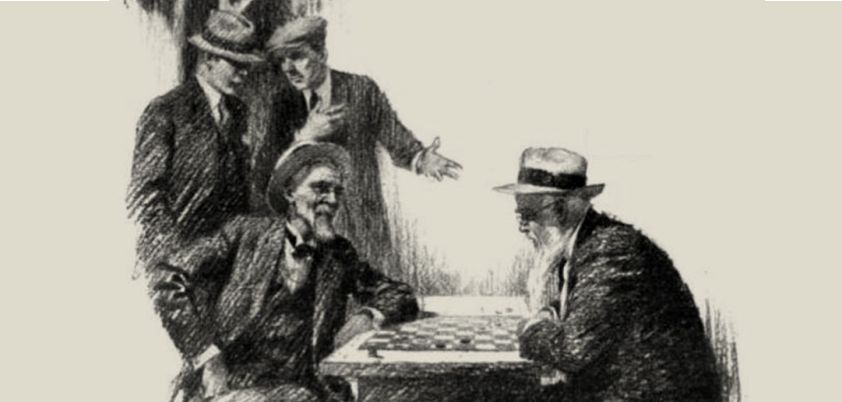 This story from Ring Lardner describes an elderly couple’s “second honeymoon” to celebrate their 50th (golden) wedding anniversary. Related in the folksy language of the 1920s, the story is a gentle satire of the shallow lives and petty concerns of the aged, and the way long-term marriages can evolve into lives of constant, albeit affectionate, bickering. Larder’s narrator (the husband) is a likeable old windbag: vain and insensitive; a good winner but poor loser; quick to find fault in others but never in himself; and always wanting things to go his way. Themes: aging, enduring love, jealousy, competitiveness, pettiness. More…
The Canal
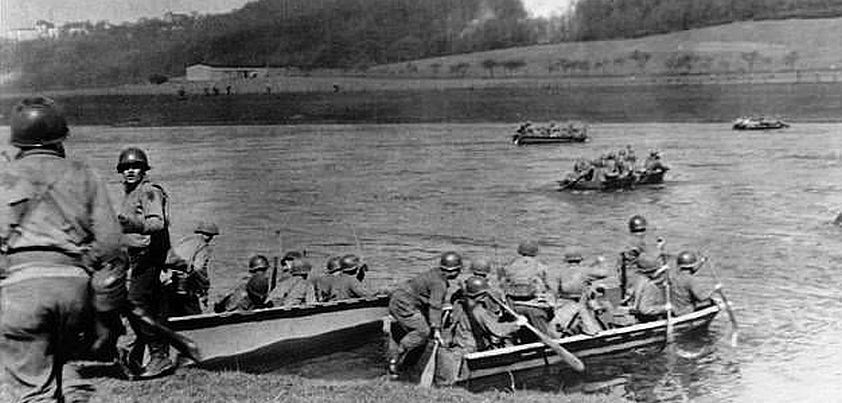 In this story by Richard Yates, two men at a cocktail party learn that their army divisions fought alongside each other during a bloody World War 2 canal crossing. One boasts about his role in the operation; the other is reluctant to share information. As their wives compete to build up their respective husband’s roles in the fighting, readers learn that although the second man performed equally as bravely, due to some mistakes along the way he would rather forget what happened. Themes include memory, conceit, gender roles, glorification of war vs. the reality of war, self-esteem, humiliation and shame. More…