 In this story by Estrella Alfon, a hard working Filipino servant girl works for a mistress who is a heavy drinker and often verbally and physically abusive. She rejects a local man who says he loves her, and is infatuated with an “angelic” cochero who once helped her after a fall. After a particularly brutal beating, she runs away to look for the cochero, who she fantasizes is in love with her. She finds him, but he doesn’t remember her. Seeing things more clearly, she returns home. Themes include social class, innocence, workplace abuse, humiliation, perseverance, fantasy, violence, enlightenment. More…
Bloodchild
 Octavia Butler described this as her “pregnant man” story. A colony of humans fleeing some kind of trouble takes shelter on a planet inhabited by giant, insect-like beings. The insects (Tlics) develop a symbiotic relationship with the humans (Terrans). In exchange for protection, adolescent boys are allocated to Tlic families, where they must incubate a Tlic mother’s eggs. The eggs are implanted in their abdomen, necessitating a rather gruesome but usually successful delivery process. Understandably, the Terran protagonist who has just reached maturity is having second thoughts about this. Themes: exploitation vs. interdependence, gender roles, fear, sacrifice vs. jealousy, love. More…
The Lady With the Dog
 Anton Chekhov’s Lady With the Dog is about a philandering misogynist who meets a much younger woman while on vacation. Both have unhappy marriages; both are open to holiday romance. They enjoy a brief affair, then go their separate ways. After parting, each becomes obsessed with the memory of the other. He tracks her down, and soon they are planning a future together. The story has an open ending, but one suspects that each now looks at relationships and the world in a new way. Themes: love, infidelity, guilt, morality, chauvinism, sexual objectification, commitment. More…
The English Pupil
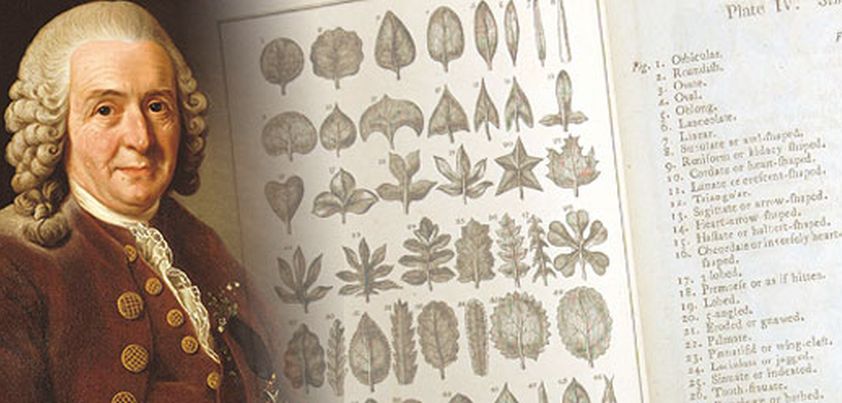 In addition to being a celebration of the life and work of renowned biologist Carl Linnaeus, major themes of this touching story by Andrea Barrett are aging, memory and approaching death. The dying scientist has his coachman take him to his empty country estate where, amid a fog of fading memories, he reminisces about his life and the fate of some of the “apostles” he sent around the world to collect biological specimens. Later, he is joined by a concerned daughter and an unknown man he imagines to be his only surviving pupil. Other themes include family, pride and regret. More…
The Bottom-Pincher
 Khushwant Singh’s writing is known for its use of satire and irony in addressing controversial aspects of Indian life. This humorous story is about an admitted “bottom-watcher” who dreams of becoming a “bottom-pincher”. When he encounters a serial bottom-pincher, he becomes obsessed and stalks the man, obtaining vicarious pleasure from his exploits before succumbing to the temptation himself. The major theme is hypocrisy: the facade of respectability adopted by wealthy Indian men who might pop out for a lunchtime “nooner” or engage in other salacious activities. Additional themes: sexual assault (unwanted touching), perversion, obsession, stalking, harassment, temptation, corruption, poverty. More…