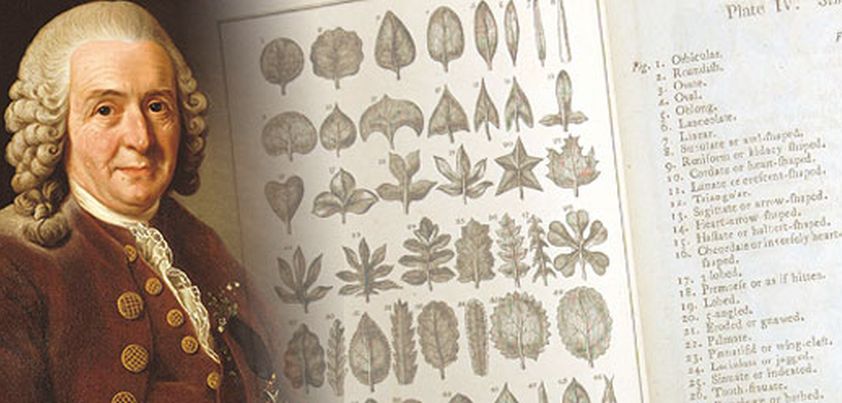
 In addition to being a celebration of the life and work of renowned biologist Carl Linnaeus, major themes of this touching story by Andrea Barrett are aging, memory and approaching death. The dying scientist has his coachman take him to his empty country estate where, amid a fog of fading memories, he reminisces about his life and the fate of some of the “apostles” he sent around the world to collect biological specimens. Later, he is joined by a concerned daughter and an unknown man he imagines to be his only surviving pupil. Other themes include family, pride and regret. More…
A Conversation With My Father
 This story from Grace Paley uses a meta-fictional approach (a story about storytelling) to highlight generational differences between a writer and her aged father. The father, who is confined to bed, asks his daughter to write a simple story just once more, the kind Maupassant wrote. Instead, she relates a minimalist, open-ended tale with several possible outcomes. These artistic differences reflect the ailing father’s coming death. He has accepted that the end is near; she is not ready to. Her story challenges the father’s views on themes such as family, parenting, addiction, and the ability to change one’s destiny. More…
Wolf
 In this confronting modern take on the Red Riding Hood fairy tale by Francesca Lia Block, the girl has already fallen prey to the wolf (her stepfather) in the form of repeated rapes over several years. The experience has badly affected her self-esteem, and given her a bitter, distrustful outlook on the world. As in the fairy tale, when the girl flees to her grandmother’s house for protection, the wolf is waiting for her. Unlike the fairy tale, they don’t need a woodcutter to save themselves. Themes include sexual assault, betrayal of trust, guilt, shame, mother-daughter relationships, self-empowerment, anger, revenge More…
President Cleveland, Where Are You?
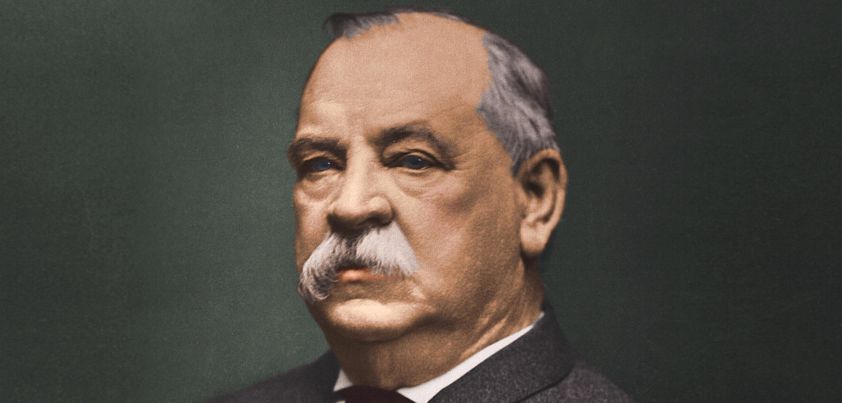 This coming of age story by Robert Cormier is set in simpler times (the 1930s), where the highlight of the day for many young boys was collecting and swapping trading cards to complete a full set. There is intense rivalry between protagonist Jerry, his friend Roger, and their arch-rival Rollie. Initially it is over Cowboy cards but, when these are replaced by President cards, all the boys in their neighborhood are desperate to find the elusive President Cleveland card. Jerry is the first to find one, but doesn’t have it for long. Themes: family, friendship, choices, sacrifice. More…
Philomel Cottage
 This romantic story with a deadly twist is one of Agatha Christie’s lesser-known tales. Shortly after newly-weds Alix and Gerald move into secluded Philomel Cottage, Alix hears some disturbing news from the gardener. Gerald’s angry reaction when she asks him about it makes her realize how little she really knows about him. She sets out to fill in the gaps and discovers a trail of bigamy, swindling, murder, and escape form prison. Sensing danger, some quick thinking and a terrible-tasting new brand of coffee save her life. Themes include love and romance, manipulation, isolation, innocence, curiosity, fear, and the supernatural. More…