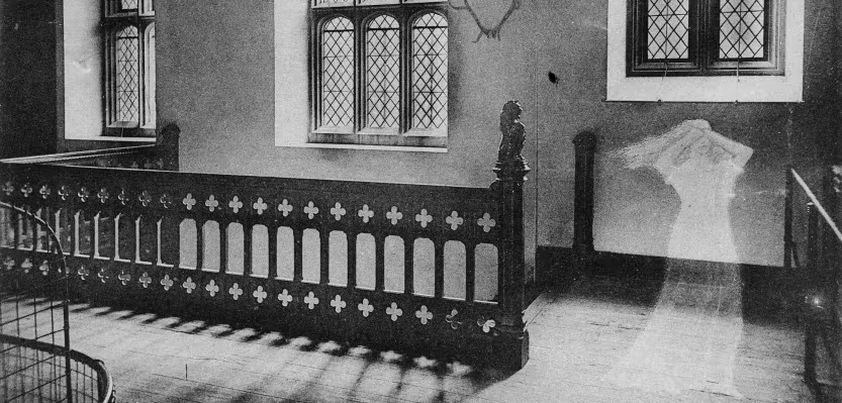
 Algernon Blackwood’s most famous ghost story, The Empty House could best be described as a horror story without the horror (no blood, gore, demonic possession, attacks by spectral beings, etc.). The story’s power lies in Blackwood’s ability to inspire terror through atmosphere alone. Its major themes are fear and the interdependence of the two psychic sleuths in confronting their fears. Initially, the ghosts go about their nightly business seemingly indifferent to the visitors. The perceived threat from “IT” only emerges when one of them gives way to fear and they begin to flee. Other themes: curiosity, courage, the supernatural. More…
War
 If you are looking for an action-packed war story, this is not for you. Set in Italy during World War One, this story by Luigi Pirandello is a dialogue-packed discussion among the parents of men who are going or have gone off to war about its impact on their lives. The central themes are patriotism, duty, fear, sacrifice and grief. The climax comes when a man who claimed to be above grief because his son died honorably for his country breaks into tears when forced to confront the fact that the boy really is dead and gone forever. More…
Open It / Khol Do
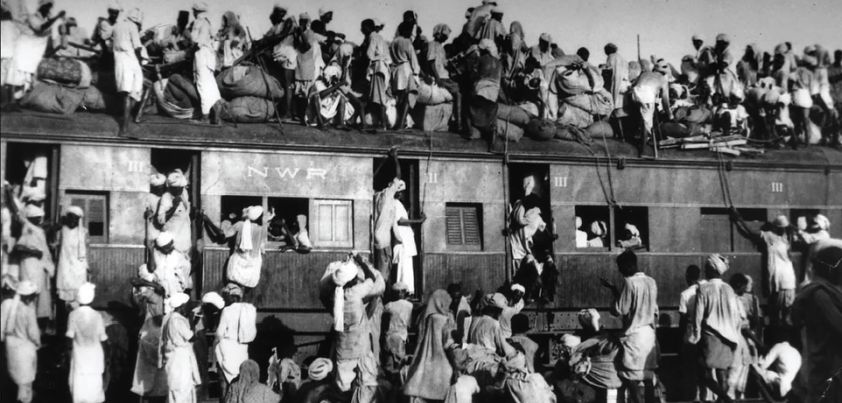 Set in the aftermath of India’s Partition, this story by Saadat Hasan Manto highlights how a total breakdown in law-and-order led to many predatory attacks against women. A father, separated from his seventeen-year-old daughter as they fled after his wife was disembowelled in front of them, desperately searches for her in a refugee camp for Indian Muslims evacuated to Pakistan. Some camp volunteers agree to look for the girl. They are successful, but do not return her. When found, her corpse displays a shocking conditioned reflex. Themes include displacement, chaos, gendered violence, depravity, fatherly love, despair. More…
The Curious Case of Benjamin Button
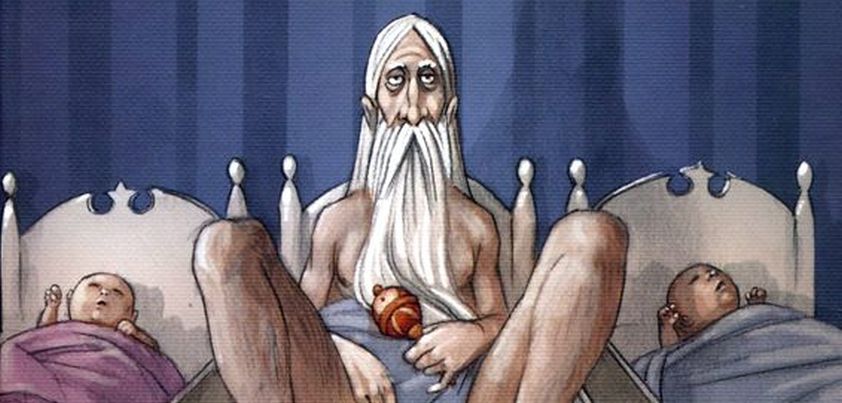 This F. Scott Fitzgerald story recounts the life of a man who grows “younger” by getting “older”. Themes include identity, social standing, and self-centeredness. The major theme, identity, is explored in the context of chronological age dictating expected behavior (e.g. “young” Benjamin obliges his father by constantly breaking things, whereas his “old” body would rather be smoking cigars). The people around Benjamin care more about protecting their reputations against gossip and scandal than they do about his condition. Finally, Benjamin proves himself as heartless as they are by hiding the problem and luring an unsuspecting woman into a doomed marriage. More…
Flight
 The major theme of this story by John Steinbeck is a young man’s quest for manhood. An unsophisticated nineteen-year-old from an isolated farm is given his first task as a “man” when his widowed mother sends him to town alone to buy medicine and other supplies. While staying overnight at the home of a family friend, he gets drunk and stabs a man in an argument. The inexperienced youth flees into the mountains where, in addition to his pursuers, he must face the perils of nature. Other themes: isolation, innocence, lack of composure/self-control, frontier justice, struggle, death. More…