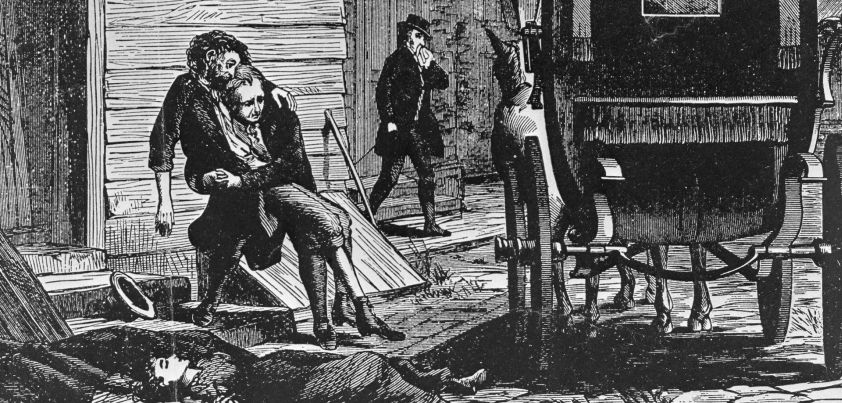
 A cursory first reading of this story often leaves students confused. John Wideman’s innovative style involves multiple voices, some of which are not even identified, and randomly traveling both backwards and forwards in time. The grim narrative is prefaced as a tribute to the people (mostly free African-Americans) who heroically nursed the sick and buried the dead during the Philadelphia yellow fever epidemic of 1793. The fever serves as a metaphor for the effects of the story’s main themes (prejudice and racism), which can potentially destroy both victims and perpetrators. Other themes: slavery, fear, suffering, death, despair. More…
A Manual for Cleaning Women
 Despite the title, this entertaining first-person narrative by Lucia Berlin focuses more on how to cope with being a cleaning woman than how to do the job. Major themes are the humanity of domestic workers, and the crucial role they can play in client households. The protagonist shares the frustrations of her work, the mind games and other devices she uses to deal with them, the pain of losing her partner, and her habit of stealing sleeping pills from clients for a rainy day. Other themes: camaraderie, life of the city poor, class, loss and loneliness. More…
The Argentine Ant
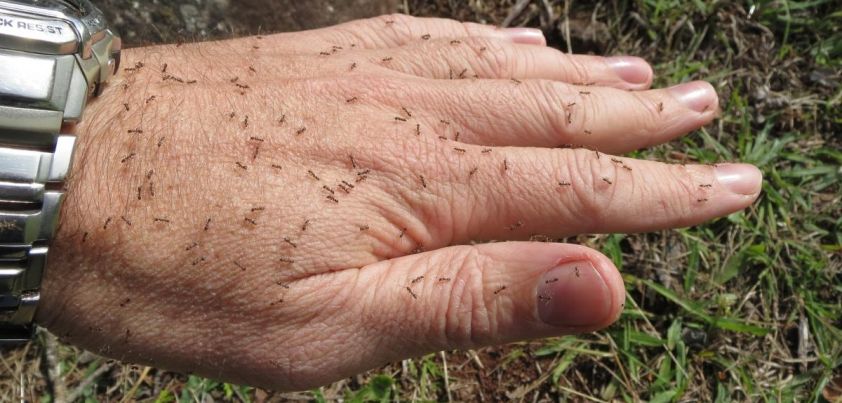 This story from Italo Calvino starts off aslike a horror story. A young couple with a baby move to a peaceful seaside village looking for work, only to discover that the whole place is crawling with ants. After they find the baby covered in ants and their food destroyed, Calvino takes a playful turn. He goes on to describe the sometimes farcical ways villagers try to exterminate and/or pretend they are not affected by the invaders, and the couple’s embarrassing confrontation with the reportedly self-serving government “Ant Man”. Themes: co-existing with nature, powerlessness, futility, tolerance/accepting the inevitable, mob hysteria. More…
Snapshots of a Wedding
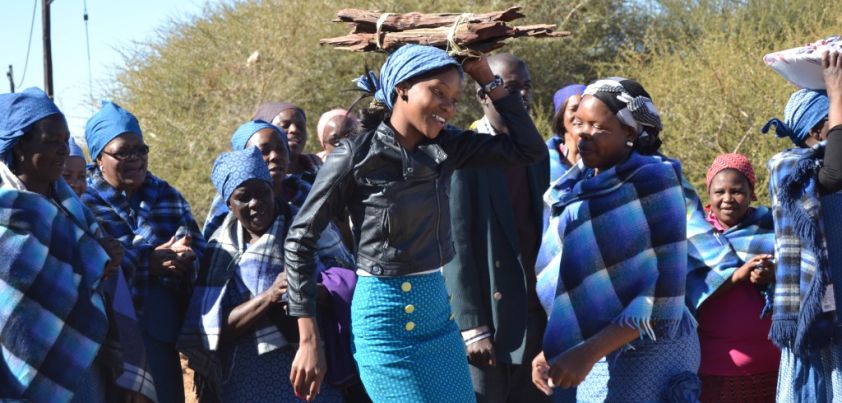 Set in the mid-1990s, this story by Bessie Head explores two aspects of a Botswanan wedding. The first is the rituals observed at the event and how, as a “modern wedding”, a lot of the traditional courtesies had been left out of the planning. The second is the circumstances leading up to the wedding, with the author seemingly inviting readers to judge whether the groom, who is rich in cattle and loved and respected by all who knew him, made the right choice for a bride. Themes: tradition vs. modernity, marriage, education, hubris vs. humility, money and status vs. love. More…
Muffin
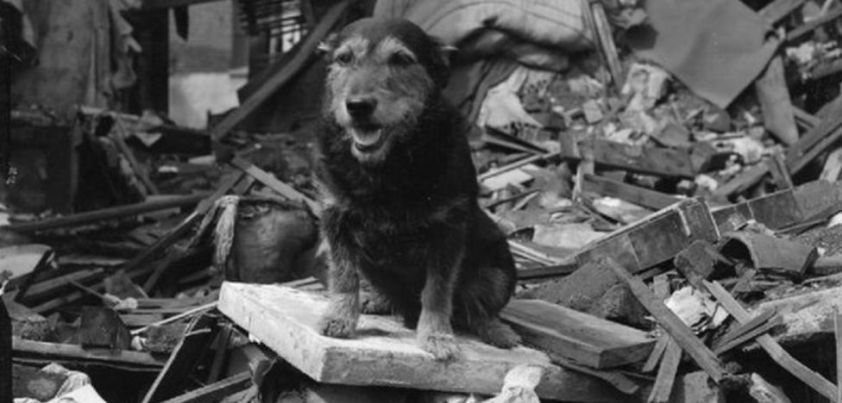 “Bullying” has been around since the first humans left their caves and formed hunter/gatherer groups. The problem in dealing with it, as in this story from Susan Cooper, is the power gap that often exists between perpetrator and victim. Set during the Blitz of World War Two, the story’s protagonist (a persecuted schoolgirl) tries striking back. As is often the case, this only makes things worse. A kindly old lady witnesses an assault and offers to help. When the poor woman dies in the bombing, an unlikely friend becomes the girl’s protector. Themes: bullying, kindness, sharing problems, offering help. More…