Now That April’s Here

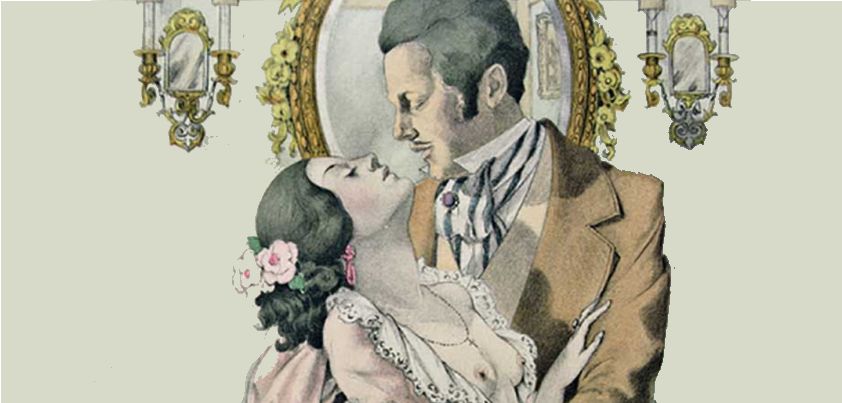
Now That April’s Here: Short story by Morley CallaghanThis story by Morley Callaghan is a bitter-sweet satire of the “lost generation”, a group of American expatriate writers living in Paris during the 1920s. Two men, obviously lovers, travel to France because America had nothing to offer them. One has a small income, the other is an aspiring writer. They appear to thrive in the local café society, constantly snickering over people they meet. All is well until they offer shared accommodation to a promiscuous young woman who shares her pleasures with them in return. Themes include disenchantment, search for fulfillment, sexuality, dependence, hedonism, jealousy, abandonment.

Continue ReadingNow That April’s Here

The Fiddler

The Fiddler: Short story by Herman MelvilleIn this story from Herman Melville, the major theme (finding the right balance between ambition, fame and happiness in life) is introduced indirectly through a chance meeting. A struggling writer is in a “desperate mood” after negative reviews of his latest work. His life changes when he is introduced to a contented, good-humored man who goes house to house teaching the fiddle. The writer admires the way “commonplace” fiddler, who appears to have no special talents, is able to live life to the fullest. Enlightenment comes when he learns the fiddler’s secret. Other themes: accepting criticism, judging by appearances.

Continue ReadingThe Fiddler

Young Archimedes

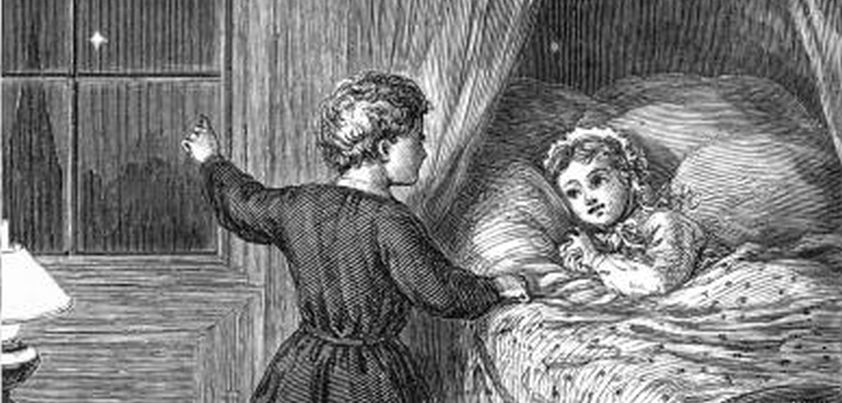
Young Archimedes: Short story by Aldous HuxleyThis tragic story from Aldous Huxley is about an English family renting a secluded Italian villa. When their young son is befriended by Guido, the son of a farm-worker, his father notices that in addition to being musically gifted, Guido has the makings of a math prodigy. While the family are holidaying in the Swiss Alps the childless, status-seeking wife of their landlord tricks Guido’s father into letting her take the boy away for musical instruction. The selfish woman tells Guido a terrible lie, with tragic results. Themes: greed, genius, family, class, social status, manipulation, abandonment, suicide.

Continue ReadingYoung Archimedes

He

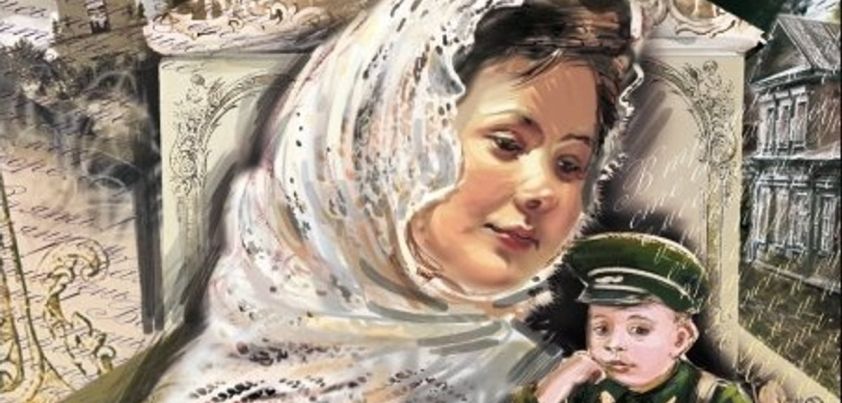
He: Short story by Katherine PorterThe central theme of this poignant, rather dark story from Katherine Porter is a mother’s relationship with her devoted special needs son. The woman is obsessed with appearances. Although she professes greater love for him than her other children combined, one wonders if this is out of pity or, worse, a mere show for neighbors. Similarly, are her tears as she takes the boy to the County Home the result of losing him, a sense of failure/shame as a mother, and/or (as the narrator cruelly suggests) wishing he had never been born? Other themes: struggle against poverty, family, appearances, guilt.

Continue ReadingHe

The Horse Dealer’s Daughter

The Horse Dealer's Daughter: Short story by D. H. LawrenceAt a simplistic level, this story by D. H. Lawrence can be looked upon as a traditional love story. However, with Lawrence’s reputation as a writer who explores human nature through psychological insight and sexual descriptions, it is highly unlikely he would write a story with such a straightforward message. Alternate interpretations include: 1) a tale in which a desperate, calculating woman tries to seduce a vulnerable man; and 2) a religious fantasy in which a near-death experience results in an epiphany that awakens feelings of love and desire. Themes include family relationships, patriarchy, misogyny, despair, death, rebirth, passion.

Continue ReadingThe Horse Dealer’s Daughter

The People Could Fly

The People Could Fly: Short story by Virginia HamiltonReinterpreted folktales that include events from recorded history play an important part in cultural renewal by helping later generations relate to their heritage. This African-American example from Virginia Hamilton packs a lot into just 1200 words. Its major themes are slavery, cruelty, suffering, Free-dom, and hope. Freedom comes when Toby’s magic words rekindle the forgotten ability of some slaves to fly. For readers not into the supernatural, flying could also be a metaphor for running away or even death. Hope comes in Toby’s call to those left behind to wait for their chance to run.

Continue ReadingThe People Could Fly

Rain Frogs

Rain Frogs: Short story by Shiga NaoyaIn this story from Shiga Naoya, the naïve wife of a rural businessman is either seduced by or coerced into having sex with a predatory novelist. Surprisingly, in addition to appearing remarkably understanding, the woman’s husband is sexually aroused by her experience. The woman’s reaction is equally surprising. Initially, she is described as being a pleasure to look at but having no light in her tea-brown eyes. After the encounter, she has a knowing smile and “dreamy” eyes, as of someone experiencing a very sweet dream. Themes: tradition, attitudes to women in Japanese society, lack of fulfillment, sexual predation.

Continue ReadingRain Frogs

The Blue Umbrella

The Blue Umbrella: Short story by Ruskin BondIn this story by Ruskin Bond, a poor girl from the Himalayan foothills trades her tiger’s-claw lucky charm for a magnificent, though impractical silk umbrella. She is the envy of her village, and vainly parades it everywhere she goes. The village teashop owner covets the umbrella, and tries to acquire it by fair means and foul. Ultimately, the girl and shop owner realize their mutual folly. The girl gives him the umbrella, which he shares with the whole village, and she is greatly rewarded for her kindness. Themes include innocence, beauty, vanity, envy, materialism and greed, compassion, kindness and generosity.

Continue ReadingThe Blue Umbrella

Master Jacob

Master Jacob: Short story by Howard PyleThe story by Howard Pyle is similar to the “trickster” narratives found in many folktales. Three greedy community leaders (a priest, a provost, and the town mayor) decide to trick an unsuspecting farmer out of a fat pig (or is it a dog?) he is taking to market. Later, the sly farmer turns the tables with three tricks of his own. For his last trick, he tells them the truth! The tricksters woe their foolishness at the bottom of a deep pit, and the farmer ends up with a lot of their money. Themes: greed, cleverness, revenge, distrust.

Continue ReadingMaster Jacob

Ghost of the Lagoon

Ghost of the Lagoon: Short story by Armstrong SperrySet on the beautiful Pacific island of Bora Bora, this exciting adventure tale from Armstrong Sperry involves a boy (Mako), his dog and a monster from the sea. When Mako learns that Tupa, the “ghost of the lagoon”, was responsible for the death of his father, he swears revenge. It is almost as if Tupa were listening. The monster attacks Mako’s canoe the very next evening. Themes include superstition, vengeance, self-reliance, courage and possibly greed… rather than satisfaction and pride, the main thing on Mako’s mind afterwards seems to be a large reward that was on offer for Tupa’s death!

Continue ReadingGhost of the Lagoon