
Cat in the Rain
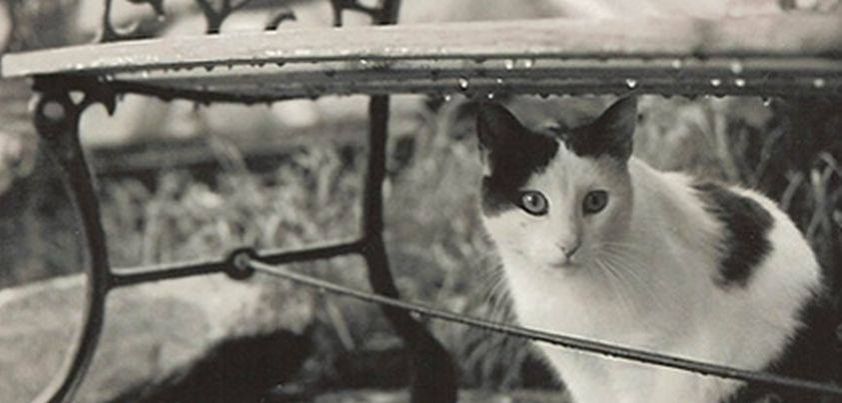 On the surface, this story by Ernest Hemingway is a simple tale about a couple spending a rainy afternoon in a hotel room during an Italian holiday. The woman feels pity for a cat trying to stay dry under an outside table. Readers often interpret this as a symbol of the woman feeling trapped in an empty relationship. Possible causes include a lack of mutual love and respect, incompatibility, and the woman’s childishness and greed. Themes include the aftermath of war, kindness, communication breakdown, isolation and loneliness, boredom and disappointment, gender roles and femininity, dissatisfaction and unfulfilled desires.
 The early part of
  In this story by
  At a simplistic level this provocative story by
  In this humorous story from
 This well-known story by
  Private First Class Paul Berlin faces three antagonists in this story by Vietnam veteran