
Dead Men’s Path
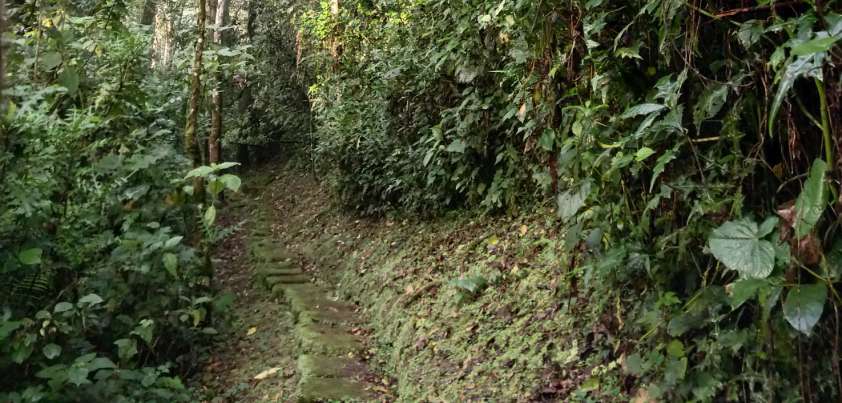 The major theme of this story by Chinua Achebe is cultural clash, as reflected in the reformist zeal of a new headmaster who objects to local villagers walking through school grounds to access a path that is important to their animist beliefs. Set in a rural Nigerian mission school, the story takes place in 1949 when the country was still under British rule. It is ironic that, being Nigerian, the young headmaster failed to grasp the seriousness of the villagers’ concerns, whereas his “white Supervisor” seems to immediately understand the situation. Other themes include colonialism, tradition, superstition, pride, arrogance, retribution.
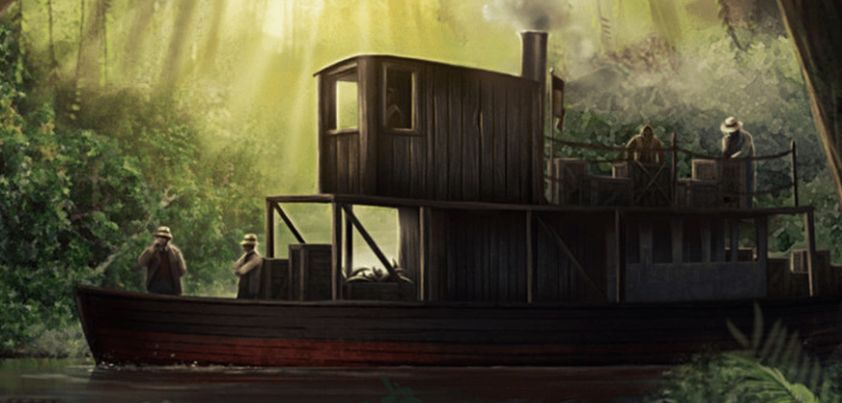 This story by
  In this story by
  The term secret sharer in this
  It is hard to like or feel any sympathy for the American-raised Dominican Harvard professor at the centre of this story by
  In this heart-wrenching story by
 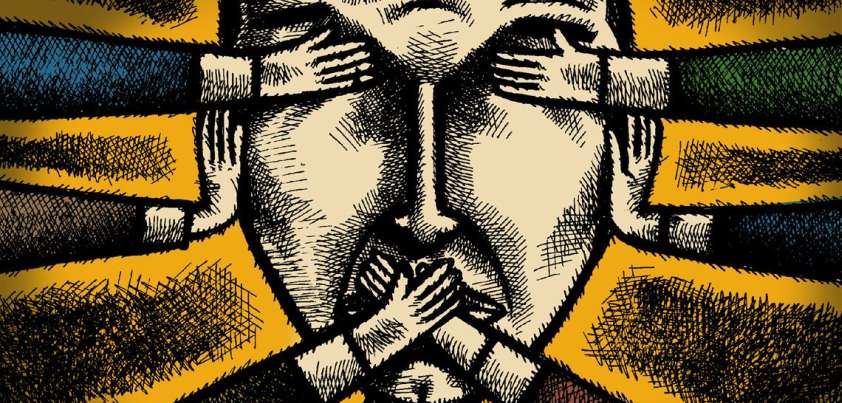 Written during the early days of Argentina’s
 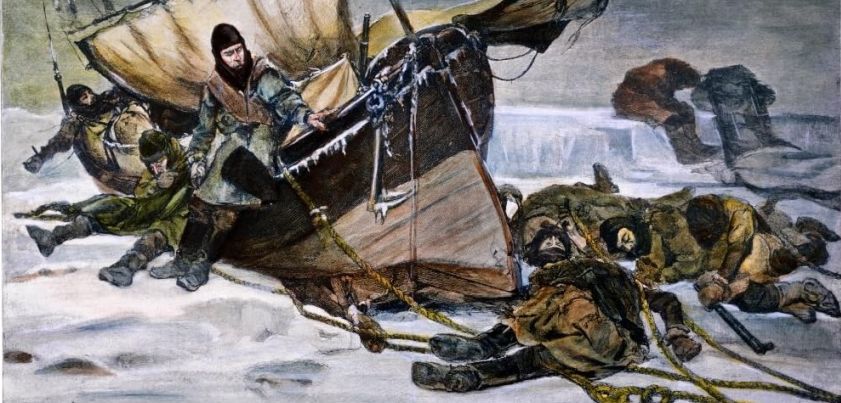 In this story by