
What I Saw from Where I Stood
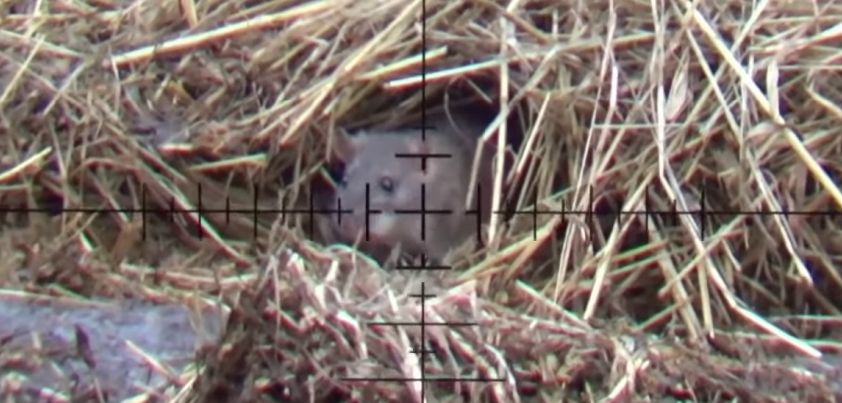
 This story by Marisa Silver is about a couple’s struggle to keep their marriage together after the miscarriage of their first child. Told from the husband’s point of view, it describes his wife’s trauma and slow recovery, which is set back by a carjacking in which they are held at gunpoint. This results in paranoia over security (so much so that she locks herself away over Halloween) and a rat in their bedroom wall. In a desperate attempt to save the marriage, he decides to take charge. Themes include loss, trauma and heartache, compassion and support, “flukishness”, disillusionment, paranoia.

 Written at a writer’s retreat in the early 1970s, this is
  In this story by
  In this enigmatic story from
 This memoir from
  Given events taking place in modern-day Russia, it is timely to revisit this classic political satire from