 This partly autobiographical story by John Edgar Wideman takes the form of a letter from an African-American man to his brother in prison. The central topic is how their great-great-great-grandmother Sybela escaped slavery with the son of her owner and their two illegitimate children and, after a five-hundred-mile flight across America, established a new community in a remote corner of Pittsburgh. The letter seeks to reconcile Sybela’s flight from bondage with his brother’s incarceration for murder, questioning whether the latter should be mitigated by their legacy of slavery. Themes include race, heritage, slavery, escape, freedom, justice and accountability, the supernatural. More…
Outside
 Etgar Keret’s Outside was published in July, 2020, just over six months into the Covid-19 epidemic. Eighteen months later, we are now into our third wave of the disease. The story is a humorous account of the effects of being locked-down at home. The experience so traumatizes the protagonist that, along with thousands of others, he refuses to leave home when things improve. Forced outside by the army, he struggles to remember where to go and what to do. Fortunately, a chance encounter on the way to an ATM triggers a conditioned response that immediately brings him back to normal. More…
Big Brother, Little Sister
 Sadly, elements of this story by Witi Ihimaera play out every day in cities across the world. Major themes include domestic violence, fear, isolation, desperation and sibling love. When a young boy flees home to escape his insecure mother’s abusive boyfriend, his seven-year-old sister follows. Within a few hours, they encounter several of the dangers that being alone on the streets at night have to offer. The city is portrayed as an endless stream of lost souls, each struggling to survive or reach an unknown destination. The two children join them. Other themes: drug and alcohol abuse, dependency, irresponsibility, hope. More…
Off
 In this story by Aimee Bender a conceited, deliberately overdressed woman attends a party with the stated objective of kissing three men of different hair color. Her character is defined in an anecdote about how she once named her Great Dane “Off” to play with the minds of other women at a dog park. The independently wealthy woman is highly insecure, struggling to fit in and form meaningful relationships. This results in bitterness and vindictiveness towards other women, and a demeaning climax as she tries to win kiss number three. Themes include self-admiration, loneliness, insecurity, jealousy and bitterness, hope. More…
Cap O’ Rushes
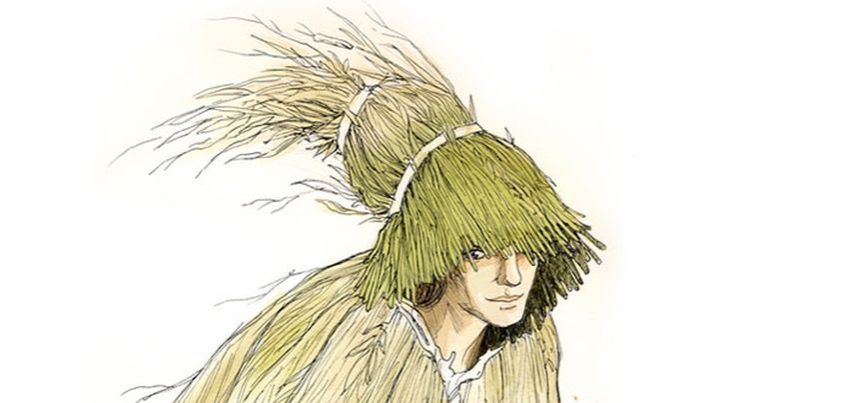 Some people liken the beginning of this folktale to Shakespeare’s King Lear. A rich man asks his daughters how much they love him. One answers in a way he does not understand. He mistakenly thinks she doesn’t love him and throws her out of the house. She makes a cloak out of rushes to hide her fine clothes and finds a job cooking and cleaning. That is, of course, until she meets her true love at a ball and turns her bad luck into a ‘happily-ever-after’ ending. Sadly, this sweet-sounding tale may have a more sinister underlying theme. More…