 This minimalist story from Raymond Carver captures a brief encounter between a middle-aged man holding a yard sale and a young couple interested in buying furniture. We learn very little about the man other than that he was once in a relationship, is selling almost everything he owns, and probably drinks too much. The man offers the couple whiskey, puts on some music, and suggests that they dance. Carver leaves it to the reader to interpret what happens next. All we know is that the girl is troubled by it for weeks. Possible themes: alcoholism, loneliness, despair, compassion, connection, confusion. More…
The Signal-man
 Many Charles Dickens stories feature ghosts. Part of the attraction of The Signal-man is that, although generally considered one of these, there is no hard evidence of a ghost. Dickens masterfully uses setting to create a forbidding, unearthly atmosphere, and then leaves the question of the ghost to the reader. Like all first-person stories, the narrator’s version is open to misinterpretation and bias. The only evidence of the supernatural are the ghostly sightings described by the (now dead) signal-man, and some (potentially coincidental) shared expressions and gestures. Themes: duty & responsibility, fate, isolation, guilt, sanity, the supernatural. More…
The Falling Girl
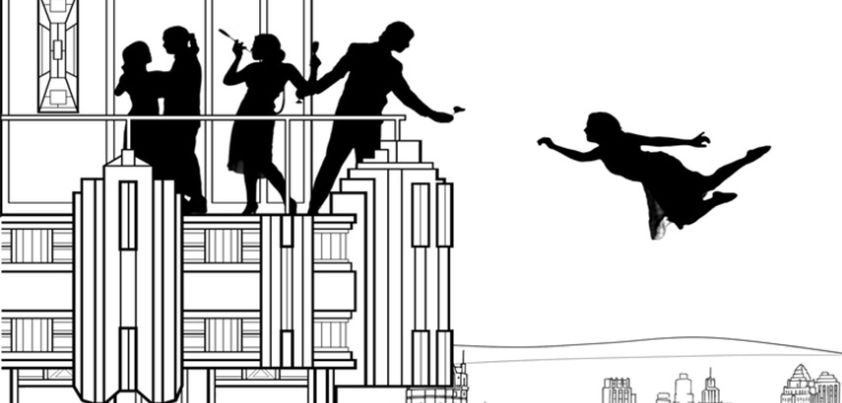 The meaning of this thought-provoking story by Dino Buzzati is reflected in both the building and the girl. The skyscraper is a metaphor for society: the idle rich party at the “top”, as the working class scurry about at the bottom. The story represents an attractive young woman’s journey from the glamor and excitement of the “high life” to the loneliness, frailty and fears of old age. In the sad conclusion, she has no one to mourn her (hear the “thud”) when she hits the ground. Themes include social class, consumerism, envy, lack of fulfilment, ageing, alienation and loneliness. More…
Diary of a Madman
 Although not one of Guy de Maupassant’s best known works, this is still a fascinating read. The madman (and in this case thrill killer) is a highly respected magistrate who sentences an innocent man to death for one of his own gruesome murders. Later, he gets an additional thrill from witnessing the poor man’s execution. The motif here is that even seemingly incorruptible members of society can descend into madness and commit the most heinous of crimes. Themes: madness, false impressions, society’s fascination with killing (especially as part of war), the undiscovered madmen among us. More…
The Oval Portrait
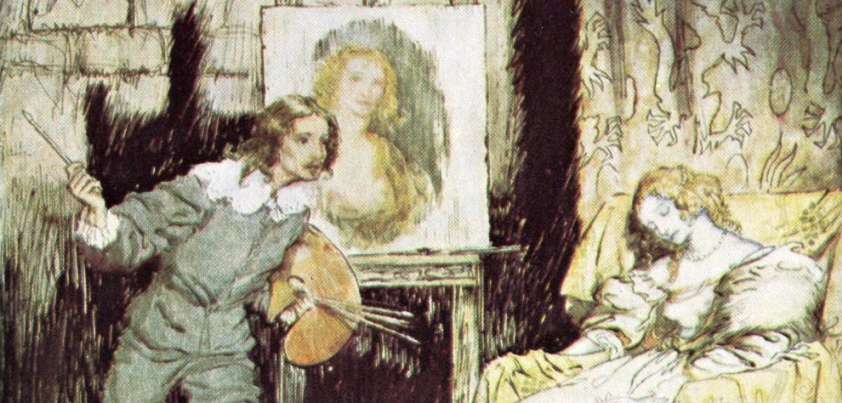 This Edgar Allan Poe story demonstrates the sinister side of how beauty can live on through art. An injured traveler takes shelter in an empty mountain chateau. There are paintings on and around the walls of his room. On his pillow is a book describing them. His eyes fall on the portrait of a beautiful woman that seems a little too lifelike. Disturbed, he finds its entry in the book. The woman’s story suggests that although art can preserve beauty, artistic obsession can destroy it in the making. Themes include art and artistry, rare beauty, love, obedience, obsession and death. More…