Featured Stories

Day of the Butterfly

Day of the Butterfly: Short story by Alice MunroThe themes of this distressing story from Alice Munro are being different, isolation, bullying, connection and betrayal. Myra’s family looks and dresses differently. At school, her introverted younger brother needs her constant support and protection. The other children in her class (always in groups of course!) ridicule her. For most of them, feigned acceptance comes when Myra is hospitalized with leukemia and it becomes fashionable to be seen to care. Sadly, a brief period of connection with the narrator ends with a decision to discard what may have been Myra’s last ever gift


Continue ReadingDay of the Butterfly

Janus

Janus: Short story by Ann BeattieAnn Beattie’s Janus is about a realtor (Andrea) who strategically places her most prized possession (a decorative, “lucky” bowl) in houses she is showing in the belief it will help them sell. The titular Janus is the two-faced Roman god of duality; the lover who gave Andrea the bowl calls her “two-faced” for not leaving her husband. The central theme, symbolized by the bowl, is the choices modern women must make, as between career and family, financial security and struggle, husband and lover, etc. Andrea’s choices bring career and financial success, but not happiness. Other themes: aesthetic appreciation, deception, emptiness.

Continue ReadingJanus

Seven Floors

Seven Floors: Short story by Dino BuzzatiDino Buzzati’s Seven Floors is an allegory of both the stages of life, and the futility of trying to fight bureaucracy. A slightly ill patient enters a ward on the top floor of a seven-story sanatorium. He learns that more seriously ill patients are progressively moved to lower floors, with the dying relegated to the dreaded first floor. Once caught up in the system, and against his perception of the severity of his illness, he makes the slow, inexorable progression to the bottom. Themes include the inevitability of ageing and death, institutional inflexibility, the unpredictability of life, fear.

Continue ReadingSeven Floors

The Dead Past

The Dead Past: Short story by Isaac AsimovIn this story by Isaac Asimov a young physicist, indignant at apparent government suppression of research in a fringe area of science, secretly builds a home “chronoscope” that can look back in time up to one hundred and fifty years. Too late, the government learns of this and tries to censor his work, pointing out the potential for his machine to destroy an important aspect of life everyone takes for granted. Themes include scientific curiosity and freedom, government disinformation and control (in this case for the greater good), privacy, guilt.

Continue ReadingThe Dead Past

The Enchanted Buffalo

The Enchanted Buffalo: Short story by L. Frank BaumContrary to the title, this story by L Frank Baum is about events that took place in a herd of American bison, not buffalos. With help from Pagshat, the “Evil Genius of the Prairies”, a treacherous bull kills his herd’s aging and much loved king. After defeating four challengers for the position, he is declared the new leader. His only remaining threat is the young son of the old king who, with more help from Pagshat, he plans to eliminate before he reaches maturity. Themes include aging, greed, betrayal, magic/the supernatural.

Continue ReadingThe Enchanted Buffalo

The Salt Inspector / Namak Ka Daroga

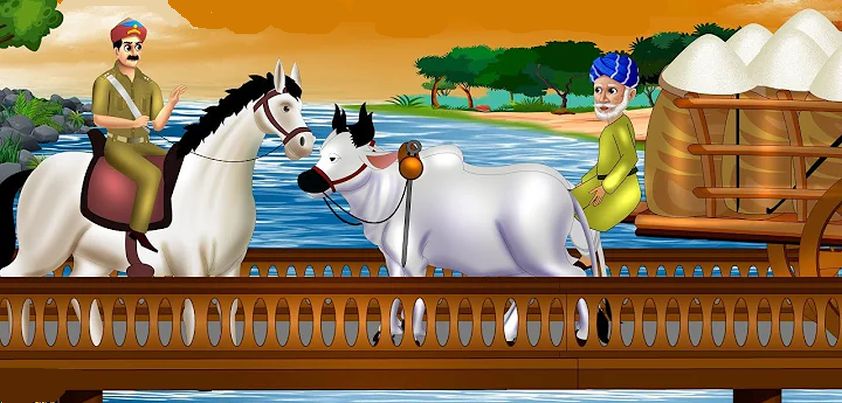
The Salt Inspector / Namak Ka Daroga: Short story by Dhanpat Rai Shrivastava (a.k.a. Premchand)This parable by Premchand about an incorruptible Indian tax inspector ends with a moral dilemma. The idealistic young man refuses a huge bribe and arrests a wealthy zamindar (land baron) for smuggling salt. Because of his “connections”, the zamindar walks free and the inspector is suspended for being over-zealous. Shortly afterwards, the clever zamindar offers the young man a highly-paid job overseeing his properties. He seems happy to cheat the government, but needs someone honest to stop people cheating him. The young man’s dilemma: should he work for such a person? Themes include individual and systemic corruption, integrity, moral compromise.

Continue ReadingThe Salt Inspector / Namak Ka Daroga

The Spinoza of Market Street

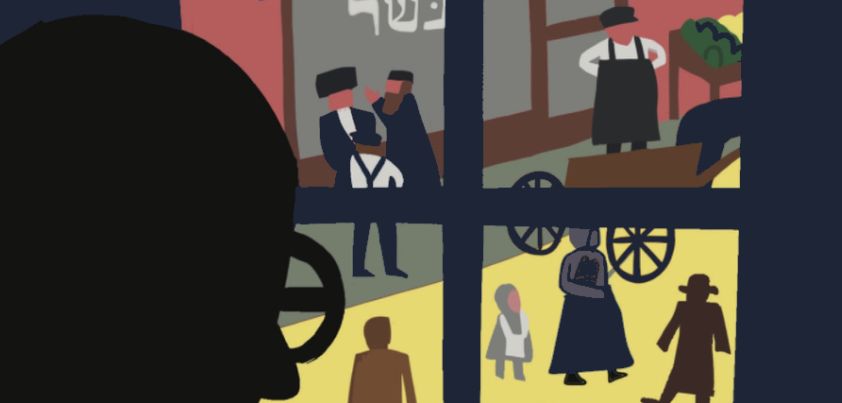
The Spinoza of Market Street: Short story by Isaac Bashevis SingerIsaac Singer’s protagonist is an aging philosopher who has struggled for thirty years to write a commentary on the 17th century philosophical treatise, Spinoza’s Ethics. Frustrated, sickly and too weak from hunger to get out of bed, a reclusive spinster nurses him back to health. Her kindness leads to marriage and a wedding night in which he miraculously regains his youthful virility and passion for life. The story’s denouement: Spinoza, forgive me. I have become a fool. could thus be taken several ways. Themes: obsession, isolation and loneliness, renewal through passion, the difficulty in reconciling Spinoza’s views with traditional religion.

Continue ReadingThe Spinoza of Market Street

The 400-Pound CEO

The 400-Pound CEO: Short story by George SaundersIn George Saunders’s typical over-the-top style, this story uses dark humor to address themes of bullying and body shaming. Despite the indignation of being stuck in an unrewarding, distasteful job and suffering constant humiliation from colleagues, the 400-pound narrator remains calm and optimistic about the future. Things change when “a lifetime of scorn” boils over and he commits murder. In prison, his hope is replaced by misery. Although most of the story has a satirical tone, it ends on a philosophical note, questioning the existence and fairness of God. Other themes: isolation, sadism, animal cruelty, atheism

Continue ReadingThe 400-Pound CEO