
Girls at Play
 In this confronting coming of age story by Celeste Ng three rebellious junior high school girls, ostracized by their peers because they come from the poor part of town, respond by playing a sex game with boys every recess. The girls are outsiders, and one day pause the game to befriend another outsider, a sweet, naïve new girl in town, and teach her teenage ways. To their horror, when other students tell the girl about their sex game, she insists on joining in. Themes include friendship, sexuality, social class, innocence, fitting in.
 This Norwegian folktale is about a young man whose poor father sends him out into the world to earn a living. He joins a group of robbers, and is so good at stealing that he becomes their leader. The Master Thief returns home a rich man and decides to marry the Governor’s daughter. In order to marry the girl, he must prove how good a thief he is. This story goes against the English idiom: Crime doesn’t pay. The moral seems to be that crime does pay… but only if you are very good at it!
  This story from
  Following Russia’s recent (2022) invasion of Ukraine, it seems appropriate to feature one of literature’s most famous “anti-war” stories. Written in 1905, this narrative essay by
 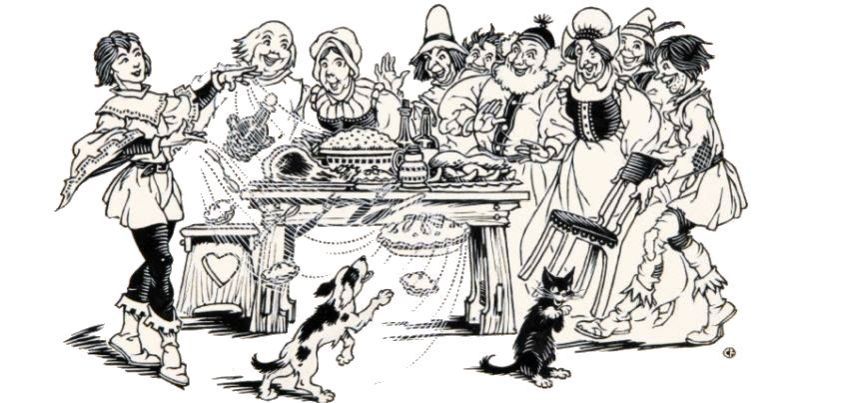 In this English folktale, a young man works for a year and earns a magic donkey. An innkeeper tricks him out of it, so he works for another year and earns a magic table. The same innkeeper tricks him out of this. For his next job, the boy earns a magic stick. This helps the young man get his donkey and table back, as well as to marry his true love. Unfortunately, in winning the girl the young man shows a side of his personality that will make readers wonder if he really deserved all the magical help!
  In this story by
  This is the first of
  The major theme of this