 In this story by Jean-Paul Sartre, a foreign volunteer in the fight against Franco’s Nationalists during the Spanish Civil War is arrested. He and two other men are put in a cell where they learn they will be shot the following morning. Most of story is about how each deals with the prospect of death. After the other two are led away, the narrator is given a choice: to follow them or give up the location of a Republican leader. Themes include the brutality of war, death, existentialism (free will to determine the meaning and purpose of our life). More…
The Chaser
 On the surface, John Collier’s The Chaser is a light-hearted story about a young man looking to buy a love potion to enchant the woman of his dreams. However, in the old man’s final words Au revoir (goodbye until we meet again), we realize that the story may be the rising action in a longer plot. A major theme is manipulation. Alan is being as cruelly manipulated as he hopes to manipulate Diana. Other themes: true love vs. obsessive desire, equality vs. servility in relationships, morality (lack of respect for and destruction of Diana’s identity, murder as a solution). More…
Theft
 The major theme of this story by Katherine Anne Porter is loss… a stolen purse, lost friendships and opportunities, loss in love, loss of youth, and loss of hope. The real “robber” in the story is the protagonist, a struggling, ‘not so young’ writer who prides herself on her trusting, easy-going, unmaterialistic nature. After receiving a letter ending a love affair and later having her purse stolen, she realizes that if she doesn’t take charge of her life and stop “letting things go”, she will end up with nothing. Other themes include apathy and self-delusion, alienation, love, rejection, guilt. More…
Odour of Chrysanthemums
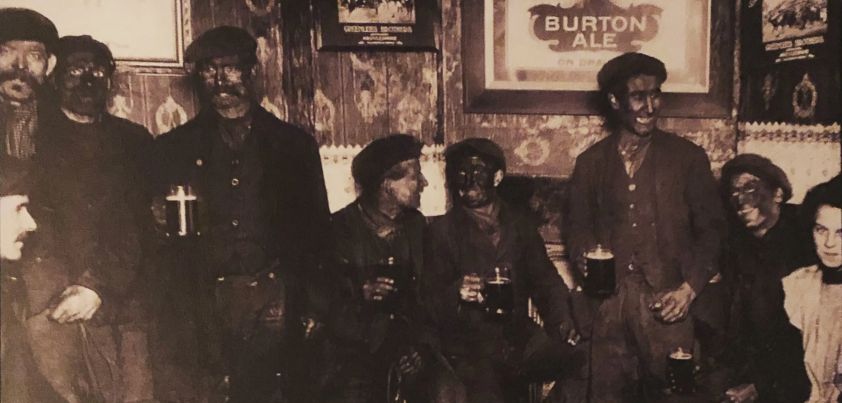 D. H. Lawrence’s Odour of Chrysanthemums begins with an introduction to a woman living in a coal-mining village who feels trapped in an unhappy world of her husband’s making. Although her father is working-class (an engine-driver), her speech and behavior suggest that she aspires to a better life. The accidental death of her husband (a miner) triggers an epiphany in which she realizes that they never really knew each other, and that their problems were equally of her own making. The main theme is superficial (physical) attraction vs. love. Other themes: industrialization, social class, sex roles, isolation, mother-child connections, death. More…
Markheim
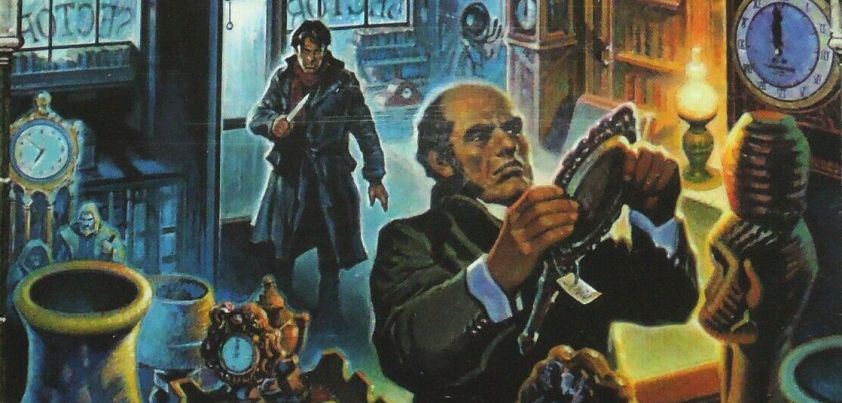 The central themes of this Robert Louis Stevenson classic are self-awareness and the nature of good and evil. Markheim, a hitherto petty thief, “steps up” in the criminal world by murdering an antique dealer. It is Christmas day, the dealer’s shop is closed, and his maid has gone out. As Markheim searches the house looking for money, a mysterious stranger appears. Believing him to be the Devil, Markheim must choose between accepting the stranger’s offer of help and killing the returning maid, or paying the supreme price for his crime. Other themes: poverty, crime and punishment, death, redemption, the supernatural. More…