 Like many John Cheever stories, the major themes of The Enormous Radio are appearances vs. reality and the myth of urban bliss. Other themes include eavesdropping, obsession, secrecy, smugness, self-delusion and hypocrisy. A seemingly contented couple’s life changes when a malfunctioning radio begins to pick up conversations from people in surrounding apartments. The woman becomes obsessed with listening in and, after learning her neighbors’ secrets about affairs, marital and financial problems, etc., begins to look down on them. This feeling of superiority is soon dashed when her husband points out some unsavory aspects of her own past. More…
The Willows
 This story from Algernon Blackwood about a canoe trip gone wrong is considered one of the greatest supernatural thrillers of all time. A feature is Blackwood’s ability to build and sustain terror through atmosphere alone. The canoeists camp on a small island among the idyllic, willow-lined channels of the swollen Danube delta. Their campsite sits on the boundary between the known world and another. A malevolent presence has become aware of their existence, and stalks the creeping willows looking for a human sacrifice. Themes include: the beauty and menace of nature, camaraderie, rationality vs. fear, courage, sacrifice, the supernatural. More…
The Giving Tree
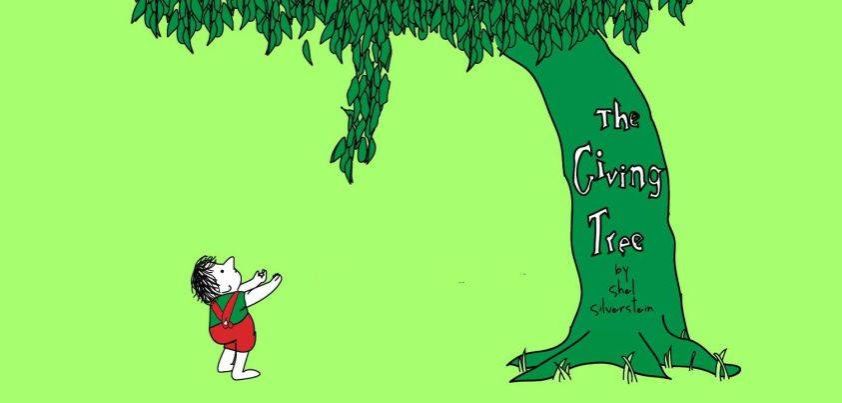 This short children’s story by Shel Silverstein is about a boy who is friends with a tree. He plays under it when he is young, and re-visits it throughout his life. The tree keeps on giving to the boy until it has nothing left to give. The boy does not give anything back to the tree or even say thank you. Readers are left wondering if the closing line And the tree was happy. could possibly be true. If you think of the story as an allegory about a mother’s unconditional love, you will know the answer. More…
Nadia the Willful
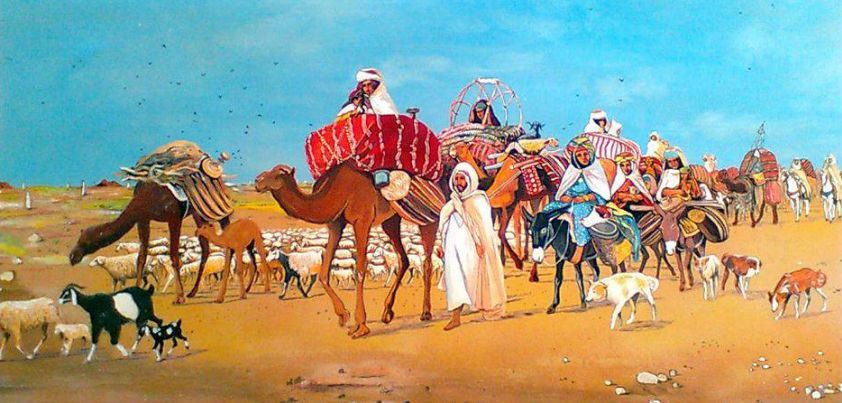 The central theme of this story from Sue Alexander is dealing with grief and loss. When a Bedouin boy is lost in the desert, his shattered father (a tribal sheik) decrees that none of his people speak the boy’s name. Nadia, his willful daughter, finds that the only way she can cope with her brother’s loss is to talk about their happy times together. When others follow her example, the sheik reacts angrily. However he, too, soon learns that rather than blocking out the memory, the best way process the death of a loved one is to celebrate their life. More…
Drifting House
 This confronting story by Krys Lee opens in a remote North Korean village created for those the government called the “wavering or hostile class”. Government food rations have been cut off and two starving, malnourished boys abandoned by their mother struggle across a snow-covered mountain to try to join her in China. The older boy carries their dying infant sister. Unable to carry her any further, he humanely ends her suffering. Despite their dire circumstances, he reveres his country’s “Dear Leader”, and expresses hatred for the American imperialists said to be responsible. Themes include family, abandonment, hunger, despair, guilt, indoctrination. More…