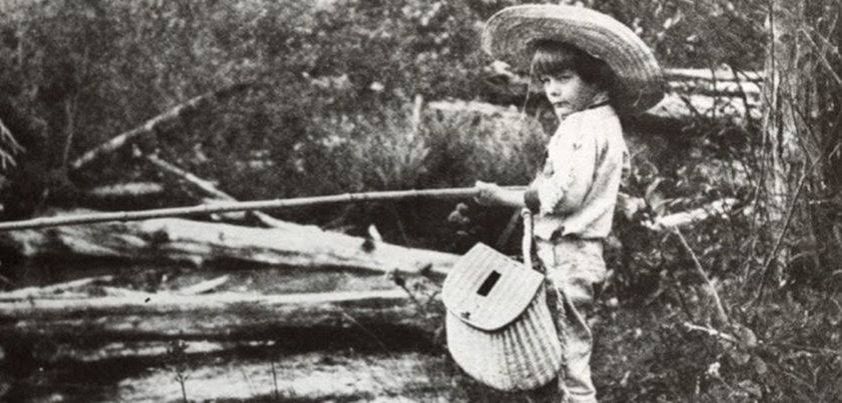
 This story by Ernest Hemingway tells how a young boy ‘comes of age’ as he witnesses the saving of a woman’s life, the birth of her baby, and the death of her husband – all in the space of just a few hours. A feature of Hemingway’s short stories is that he often leaves important details open to the reader’s interpretation. In this story, we come away wondering why the woman’s husband killed himself. Some people suggest that the boy’s Uncle George may have had something to do with it. Themes: birth and death, suffering, masculinity, suicide. More…
The Spirit of Emulation
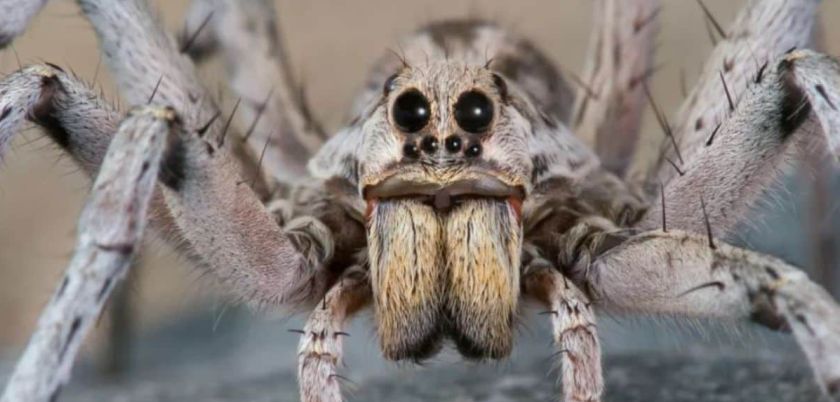 This story by Fernando Sorrentino is a perfect example of the idiom “Keeping up with the Joneses”. A man living in a multi-story apartment building has an unusual pet… a Lycosa pampeana (Wolf spider). A neighbour who sees it is so impressed that the next day he proudly shows the man his new pet… a scorpion. Competition sets in and soon the building is awash with all sorts of exotic animals. As occupants try to out-do each other with larger and larger “pets”, things get seriously out of hand. Themes include vanity, rivalry, materialism. More…
Cinderella
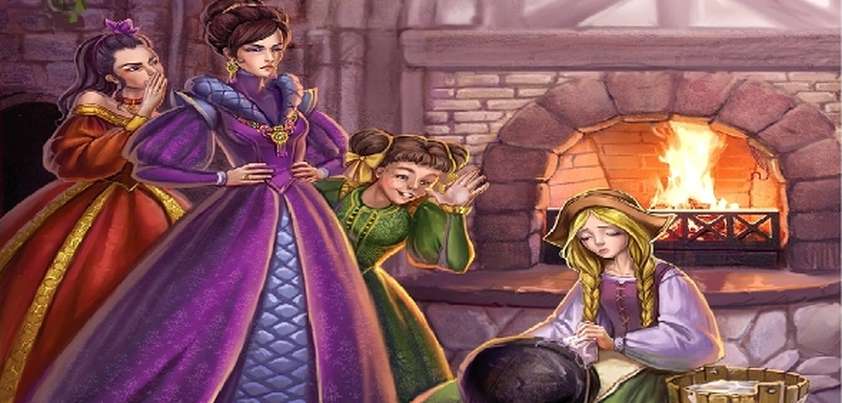 Cinderella, perhaps the world’s best-known children’s story, has its origins in folklore. The version immortalized by Disney was first published in Charles Perrault’s 1697 book Stories or Tales from Times Past, with Morals, also known as Tales of Mother Goose. (Yes, Mother Goose was a man!) There are said to be over 1,000 variants of the story across the world. Perrault took the original framework, which has been around since the days of the pharaohs, and added the three elements for which his version is famous today: a fairy godmother, a pumpkin-carriage, and glass slippers. More…
How My Brother Leon Brought Home a Wife
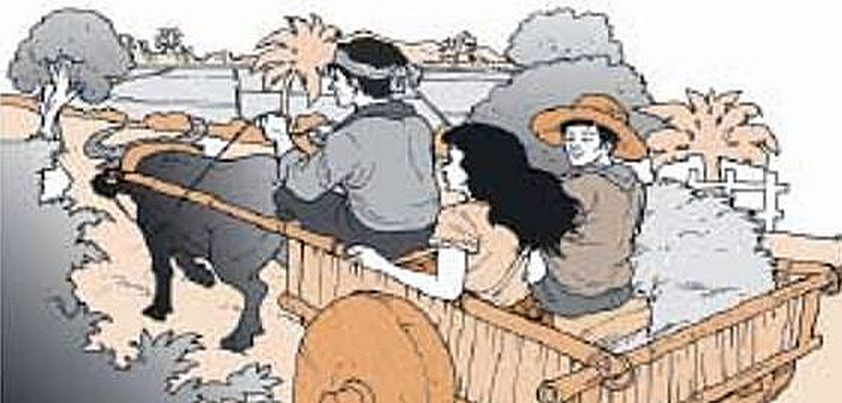 In this popular Filipino story from Manuel E. Arguilla, a son brings his city-based bride home to the countryside to “meet the family”, only to have the poor woman tested by his father before she even arrives. The father has his younger son meet them with a bullock cart rather than horse and carriage, and bring them home via a stony “short-cut” along a dry creek bed rather than the smoother main road. The apprehensive but charming girl (in high heels no less!) passes the tests with flying colors. Themes: love, fear, perseverance, patriarchy, reputation. More…
At War’s End: An Elegy
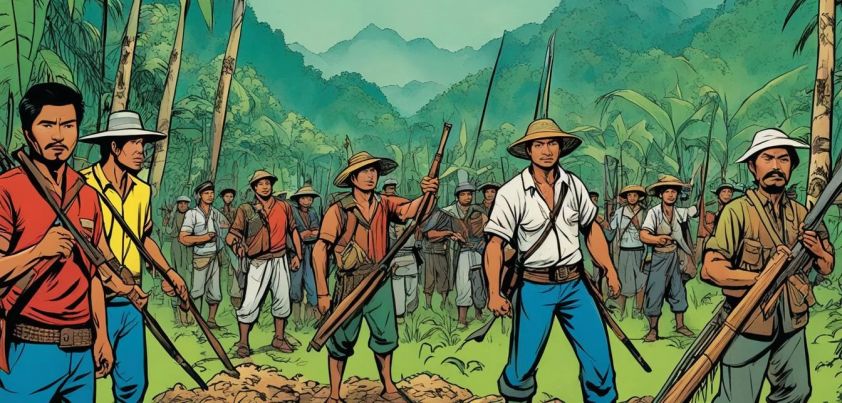 This story by Rony V. Diaz takes place during the Philippine Hukbalahap Rebellion at the end of World War 2. The “Huks”, originally a peasant resistance who fought the Japanese, embraced communist principles and turned their attention to overturning the country’s feudal farming system. The heir to a large landholding mysteriously commits suicide. It is unclear whether he acted because of a promise made to break up his family land, or uncertainty and fear about doing so. The answer may lie in a cryptic poem confiscated by police. Major themes include tradition, feudalism, wealth vs. poverty, social change, suicide. More…