
And of Clay Are We Created
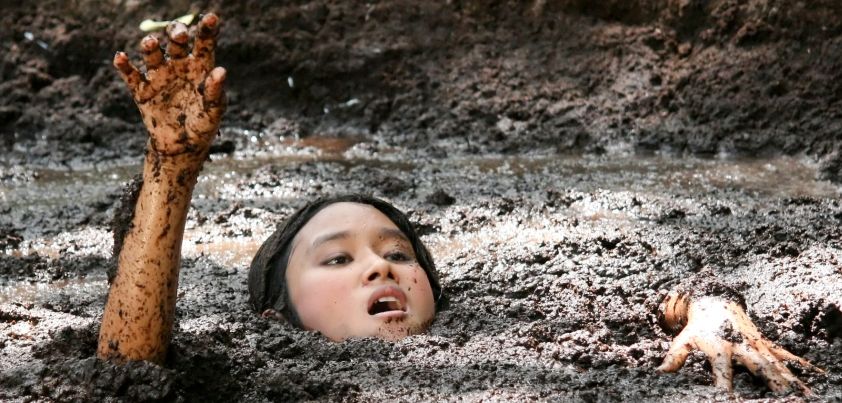 This confronting story from Isabel Allende is based on the real life plight of Omayra Sánchez, killed in a volcanic eruption in 1985. It highlights the confusion and suffering that often accompanies natural disasters, and the human and psychological tolls on both victims and responders. The irony of the story is that despite the massive resources employed by news agencies to cover the incident, they were unable to locate and bring in a pump to save the girl. Themes include man against nature, compassion, courage, faith/acceptance of fate, the healing effect of facing and sharing past tragedies.
 In this story by
 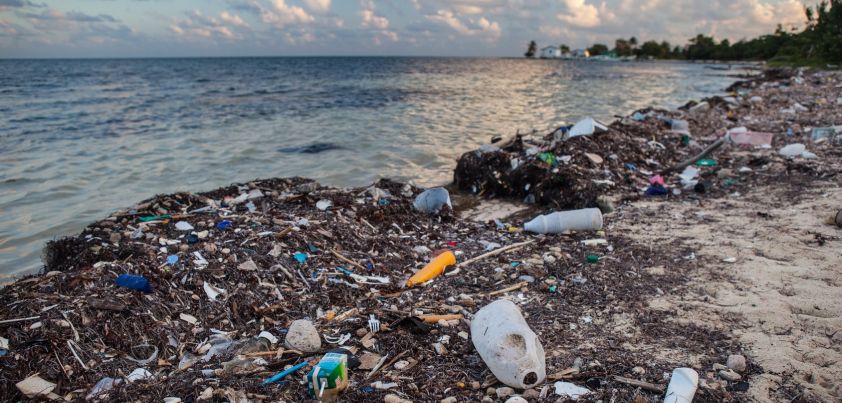 The seaside town in this story by
 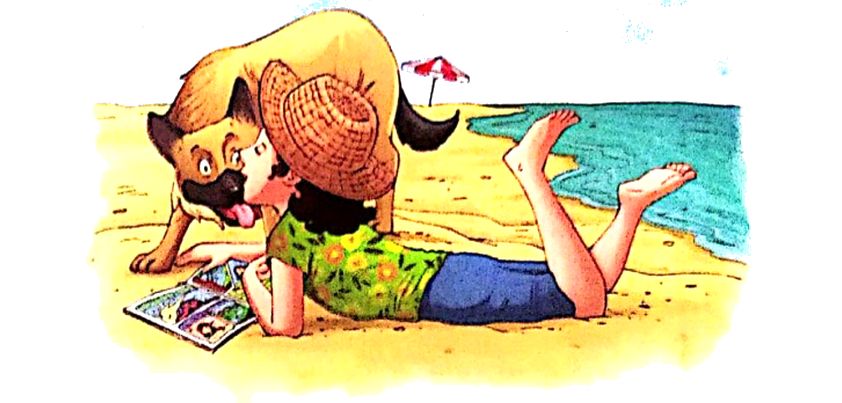 The major themes of this story by
  In this story by
  This dark comedy from
 This tale by