Featured Stories

The English Pupil

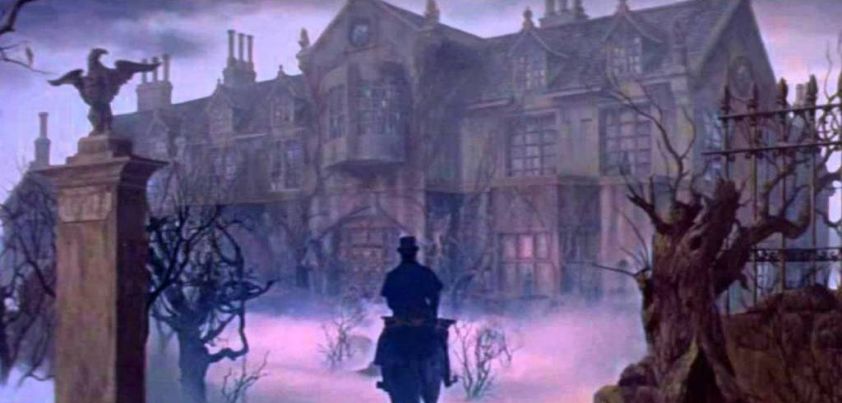
The English Pupil: Short story by Andrea BarrettIn addition to being a celebration of the life and work of renowned biologist Carl Linnaeus, major themes of this touching story by Andrea Barrett are aging, memory and approaching death. The dying scientist has his coachman take him to his empty country estate where, amid a fog of fading memories, he reminisces about his life and the fate of some of the “apostles” he sent around the world to collect biological specimens. Later, he is joined by a concerned daughter and an unknown man he imagines to be his only surviving pupil. Other themes include family, pride and regret.

Continue ReadingThe English Pupil

The Man with the Light

The Man with the Light: Short story by José Eduardo AgualusaIn this story by José Eduardo Agualusa, an itinerant Russian has been traveling remote areas of Angola for over forty years, entertaining villagers with a pedal-powered projector and old films. During one of the country’s many civil wars, his Russian heritage brings him to the attention of authorities. From a hiding place, he watches in horror as the soldiers sent to find him savagely beat and rape innocent bystanders. He talks his way out of arrest, but loses his treasured projector. In desperation, he turns to “James Dean” for help. Themes include aging, brutality, fear, abuse of power, despair.

Continue ReadingThe Man with the Light

Separating

Separating: Short story by John UpdikeMarriage break-ups, especially where children are involved, can be stressful for all concerned. John Updike’s Separating is written from a self-absorbed husband/father’s point of view. Ironically, despite Richard’s inferred infidelity, Updike reverses traditional gender roles by painting him as the weepy, emotional victim and his wife Joan as the heartless, unforgiving partner pushing for separation. The children demonstrate varying levels of understanding and acceptance. Older son Dickie’s “romantic” kiss highlights the confusion among them, and Richard’s shallowness finally shows through in his inability to answer Dickie’s obvious question. Themes: family, marriage, separation, anguish, guilt, confusion, regret.

Continue ReadingSeparating

No Witchcraft for Sale

No Witchcraft for Sale: Short story by Doris LessingDoris Lessing’s years growing up on a Rhodesian farm add credibility to this story about a condescending white family’s relationship with their native cook who, it seems, doubles as a local medicine man. The closeness that exists between the cook and their young son evaporates as the boy ages and becomes aware of racial issues, but is rekindled when the cook uses “bush medicine” to save the boy’s eyesight. The parents’ gratitude turns to anger as the cook refuses to reveal the secret of the cure to a greedy scientist. Themes: racism, ancient wisdom, altruism vs. commercial exploitation, cultural conflict.

Continue ReadingNo Witchcraft for Sale

Cathedral

Cathedral: Short story by Raymond CarverIn Raymond Carver’s Cathedral, a troubled, disillusioned man with a cynical view of the world is suddenly confronted by his metaphorical blindness. Ironically, the person who brings about this epiphany is a blind friend of his wife. The story begins with the husband full of sarcasm (Maybe I could take him bowling…) as the couple discuss the blind man’s visit. He has pre-conceived ideas about the blind and is surprised when their visitor doesn’t fit the stereotype. Themes include friendship and marriage, insecurity, alienation and loneliness, creativity and imagination, perception (looking vs. seeing).

Continue ReadingCathedral

Oliver’s Evolution

Oliver's Evolution: Short story by John UpdikeIn this story by John Updike, a troublesome toddler who had come late in his parents’ little pack of offspring is loved, but not enough to prevent his near death. Later, as a child, he is still loved, but not enough to detect a “sleepy” eye in time to fix it. After his parents divorce, there is even less love for the troubled teen who gets bad grades, abandons jobs and misses opportunities. Fortunately, after marrying an equally troubled girl, he transforms into a responsible, loving husband and father. Themes include parent-child relationships, neglect, responsibility, personal growth.

Continue ReadingOliver’s Evolution

A Good Man is Hard to Find

A Good Man is Hard to Find: Short story by Flannery O'ConnorFlannery O’Connor is a master at coming up with stories in which almost every main character has some kind of flaw. It is hard to like any of this dysfunctional family of six (except maybe the baby) as they cruise down Highway 441. When their car overturns beside a deserted road, they attract the attention of a crazed killer who calls himself “The Misfit”. As the rest of the family are murdered around her, the grandmother tries to convince the Misfit that deep inside he is one of those hard to find men. Themes: prejudice, deception, violence, religion, “goodness”, redemption

Continue ReadingA Good Man is Hard to Find

The Bakery Attack / Second Bakery Attack

The Bakery Attack / Second Bakery Attack: Short stories by Haruki MurakamiThe Second Bakery Attack, one of Haruki Murakami’s most popular stories, is the sequel to an earlier, less well-known work. In the first story, an empty stomach symbolizes a life empty of ambition and intellectual stimulation. In the second, it symbolizes the insecurity inherent in a recently married couple’s (as yet) superficial relationship. The man has a lot to learn about his new wife, as becomes clear when she proves surprisingly adept at planning and carrying out a robbery. For the couple, the successful robbery proves a bonding, curse-lifting experience. Themes include marriage, insecurity, gender roles/’manhood’, the supernatural, change (Westernization).

Continue ReadingThe Bakery Attack / Second Bakery Attack