
The Flowers
 In this “coming of age” story from Alice Walker, a ten-year-old farm girl finds the decomposed body of a decapitated man while collecting flowers in a field. Surprisingly, this doesn’t seem to faze her; she gazes around the spot with interest, then stoops to pick a wild rose. It is not until she notices something else on the ground that we are told her summer was over. As a testament to Walker’s talent, the story contains no dialogue and minimal narrator interpretation of the girl’s emotions; changes in mood and atmosphere are almost solely engendered through actions and setting.
 This story by
  In this heartbreaking story by
  Hazel, the protagonist in this
 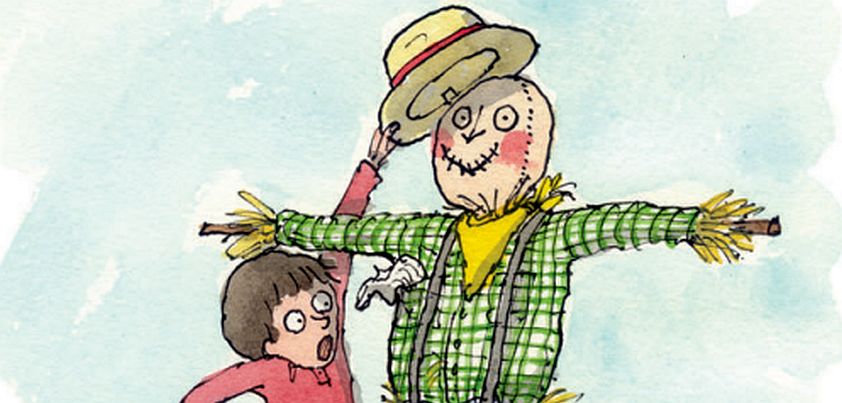 In this story by Marilyn Helmer for
  In this story by
 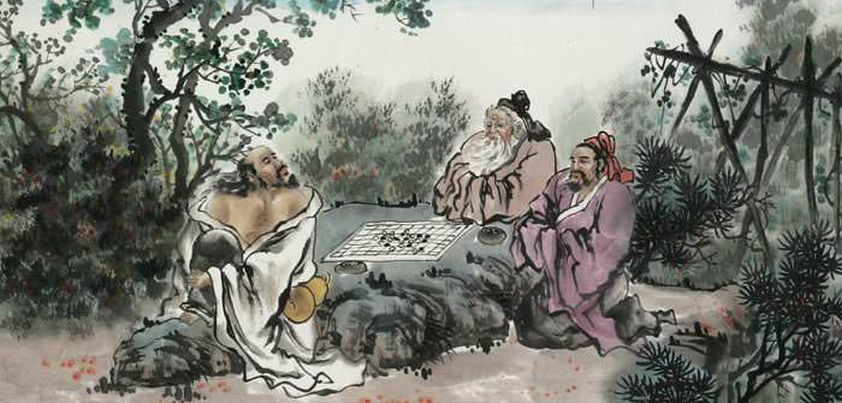 This Chinese folktale retold by
 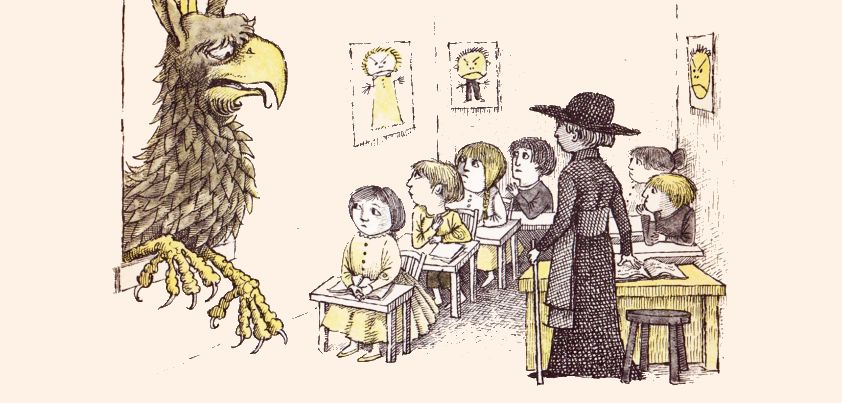 It is hard to believe this and our other featured