
Winter Dreams
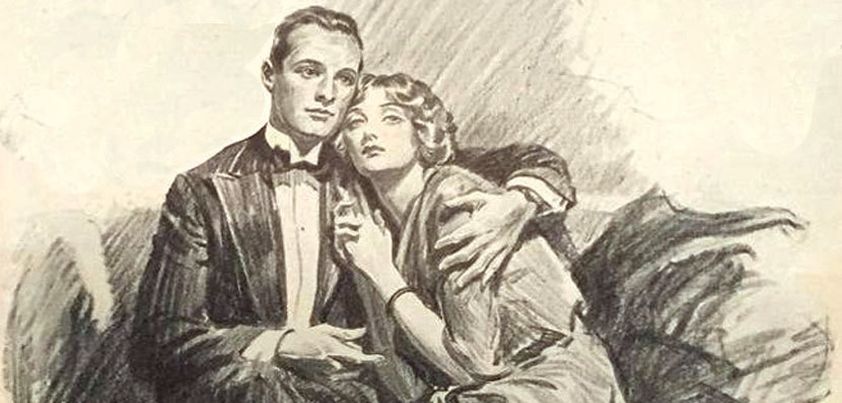 The protagonist in this F. Scott Fitzgerald story has two dreams (three if you count defeating Mr. Hedrick at golf!) The first is the Great American Dream (to become wealthy despite humble beginnings), which he achieves. The second is to win the heart of the seemingly heartless Miss Judy Jones, which proves unachievable. He is a typical Fitzgerald male: driven, successful and passionate about marrying (possessing) Judy where others have failed. Spoiled Judy is a tragic figure: take away the thrill of being chased, and there is little left. Themes include social class, ambition, success, romance, hollowness, failure, disillusionment.
 This humorous vignette from
  This story from
 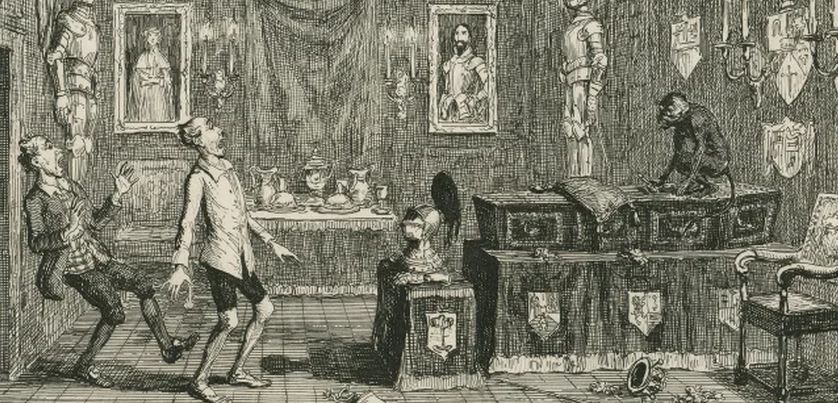 Warning, this story by
  In this story by
 The appeal of this classic children’s story by
 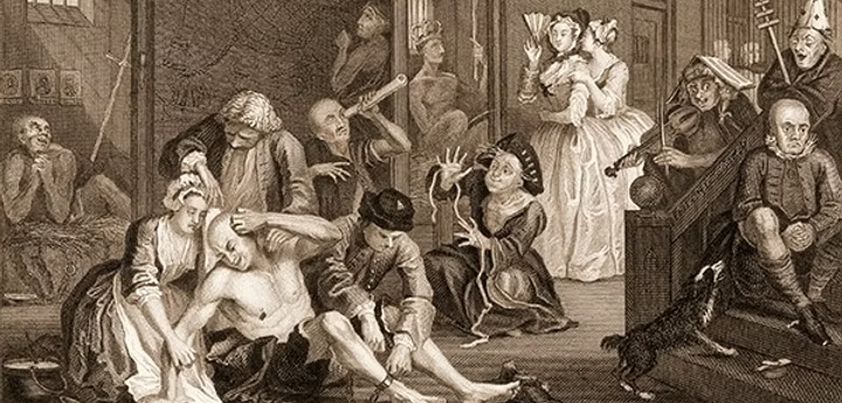 This story by