The Hospice

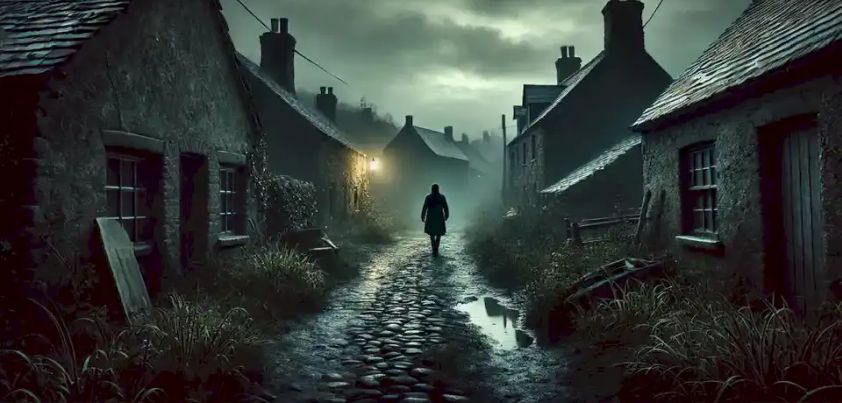
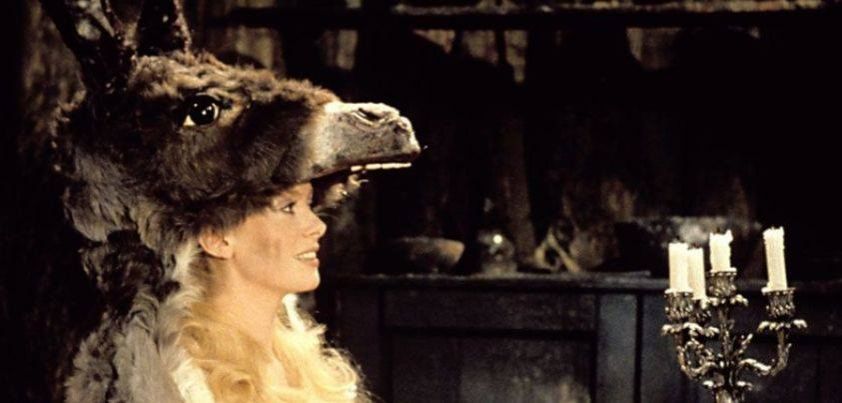
The Hospice: Short story by Robert AickmanAuthor Robert Aickman preferred to be called a writer of “strange fiction” rather than ghost or horror stories. The Hospice, considered one of his best, is a good example of why. The story is full of unexplained twists and turns. It builds to what readers expect will be a typical horror climax, then seemingly falls flat with the protagonist safely on his way home. But is he? It’s easy to see why Aickman has been called the English Kafka. Was it a dream? Delirium caused by an animal bite? Supernatural forces? Or did he die along the way?

Continue ReadingThe Hospice

The Tenant

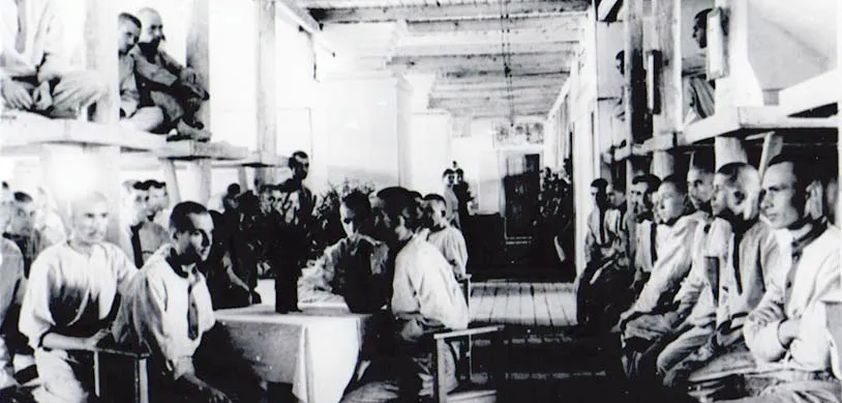
The Tenant: Short story by Bharati MukherjeeIn this story by Bharati Mukherjee, a young Indian-American college professor struggles to make a new life after a series of “indiscretions”. She has sullied her reputation among her Brahman caste by marrying and later being left by an American graduate student, and compensated for the loss and shame through promiscuity. She finds solace as the lover of her armless landlord but, in the hope of reconnecting with her culture, abruptly leaves him when re-contacted by a “god-like” Indian man she had met through a matrimonial advertisement. Themes include identity, cultural confusion, social class, nonconformity, rejection, shame, alienation, loneliness, connection.

Continue ReadingThe Tenant

Little Red Riding Hood

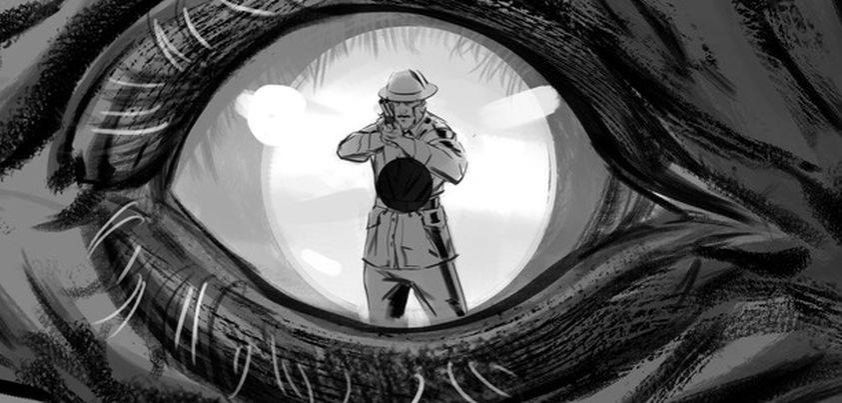
Red Riding Hood: French folktale from Andrew LangThis time last year we featured Charles Perrault’s famous interpretation of an ancient folktale, Cinderella. Today we have another well-known Perrault story, Little Red Riding Hood. The version of the story most commonly told today is from a Brothers Grimm adaption known as Little Red Cap, published over 100 years after Perrault. In both versions, Red is punished for talking to strangers (the wolf) by being “eaten”. The Brothers extended the story to make it more appealing to children. In addition to Red and her grandmother miraculously surviving in the wolf’s stomach, they later meet and kill a second wolf.

Continue ReadingLittle Red Riding Hood

Mrs. Dutta Writes a Letter

Mrs. Dutta Writes a Letter: Novelette by Chitra Banerjee DivakaruniThe major theme of this story by Chitra Banerjee Divakaruni is cultural conflict: the problems that can occur when people from countries with highly developed religious and cultural norms (in this case India) immigrate to the West. Widowed Mrs Dutti’s attempts to integrate with her son’s Americanized family cause problems on both sides. Fortunately, she finds the courage to admit she will be much happier back home. Tellingly, as the only Indian family in the neighbourhood, her son and daughter-in-law share her fear of not “fitting in”. Other themes include generational differences, gender roles, family loyalty, pride, courage and happiness.

Continue ReadingMrs. Dutta Writes a Letter

The Country of the Blind

The Country of the Blind: Short story by H. G. WellsIn this story by H. G. Wells, a climber falls thousands of feet off a mountain into soft snow. He survives, to find himself in a hidden valley inhabited by a community who were born blind. Initially, he sees this as an opportunity to assume power in line with the proverb: In the Country of the Blind the One-eyed Man is King. However, things don’t go as planned. He soon finds that rather than being disabling, blindness gives the inhabitants additional capabilities. Themes include isolation, disability, lust for power, delusion/entrenched attitudes (metaphorical blindness), unfulfilled love, sacrifice, liberation.

Continue ReadingThe Country of the Blind

Lakshmi’s Adventure

Lakshmi’s Adventure: Short story by Manoj DasThis story from Manoj Das contrasts the innocence of a six-year-old girl with the intolerance of her village priest and the hypocrisy of corrupt temple officials. After dreaming that her deity spoke to her, the girl sneaks into the temple and has a wide-ranging “discussion” with him, including his problems (hearing and too many bananas), hers (arithmetic), and her family’s (an aggressive money-lender). On leaving with two bananas from his shrine, she is chased by an angry mob into a pond in which she catches a fatal fever. Themes include innocence, faith, family, poverty, righteous indignation, guilt and remorse.

Continue ReadingLakshmi’s Adventure

The Invention of Morel

The Invention of Morel: Short story by Adolfo Bioy CasaresThis story by Adolfo Bioy Casares is in the form a diary by a Venezuelan fugitive who, after a hundred days hiding on a deserted Pacific island, is disturbed by what appear to be a group of tourists. He watches them for several days and becomes infatuated with a “gypsy-like” woman in the group. When he approaches her, she (and later the other tourists) act as if he doesn’t exist. In reality, it is she (and they) who don’t exist and his dying wish is to join them. Themes include isolation, love, obsession, metaphysics (illusion vs. reality), scientific hubris, immortality.

Continue ReadingThe Invention of Morel

Mr Miacca

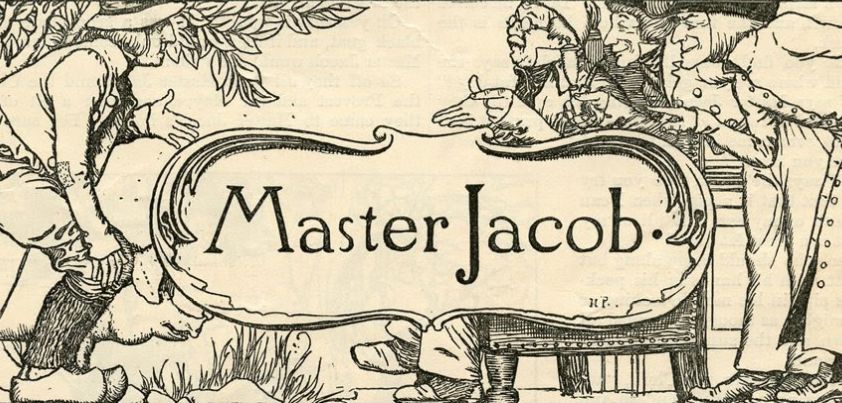
Mr Miacca: English folktale from Joseph JacobsMr. Miacca is an English folktale of the ‘bogeyman’ type, where adults tell stories of imaginary beings to frighten young children into being good. In the story, a boy does something wrong and finds himself about to be cooked for Mr. Miacca’s dinner. He gets away by tricking Mrs. Miacca. The forgetful boy makes the same mistake, and again finds himself on Mr. Miacca’s dinner menu. This time Mr. Miacca watches over the boy himself, and decides to cut off the lad’s leg (which he throws in the cooking pot) to make sure he doesn’t run away.

Continue ReadingMr Miacca

The Fortune-Teller

The Fortune-Teller: Short story by Joaquim Maria Machado de AssisThis story by Joaquim Maria Machado de Assis involves a love triangle between life-long best friends and a woman who is married to one of them. The sceptical lover laughs when the woman consults a fortune-teller for comfort that their relationship will last. Shortly afterwards, he begins to receive anonymous letters claiming that their affair is public knowledge. Ironically, when the husband sends a note asking for an urgent meeting at his house, the frightened lover visits the same fortune-teller for comfort that he is not walking into a trap. Themes include betrayal, adultery, superstition, fate.

Continue ReadingThe Fortune-Teller

Sweet Potato Pie

Sweet Potato Pie: Short story by Eugenia CollierLike the titular pie, life is sweet for a professor and his cab-driving older brother. The themes in this heart-warming Eugenia Collier story (poverty, family, sacrifice, education and gratitude) lie in how the two got where they are. A close-knit family works together to survive poverty, with the older children caring for the young and leaving school as soon as possible. The family can afford for only one child (the professor) to complete his education. Although his brother proudly hails him as a “somebody”, it is clear that their childhood experiences have helped both make successes of their lives.

Continue ReadingSweet Potato Pie