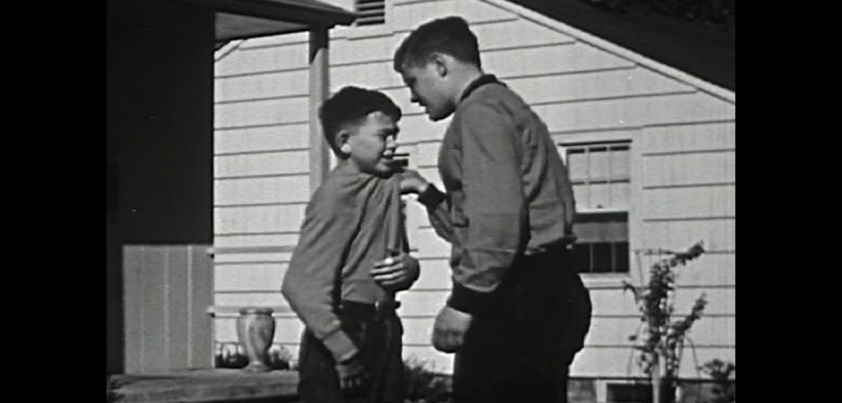
Edward Wortis (aka Avi)’s Teacher Tamer is a coming of age story about unfairness, revenge, peer pressure, compassion and courage. A burnt-out fifth grade teacher regularly punishes the most promising student in class for things he did not do. In a moment of anger, the boy plots revenge and boasts about it to classmates. Although the class bully questions his courage, others say that if he succeeds he will become the class hero. He feels pressured into going ahead. The plan ends in failure, but by the end of the story he is hailed by the nickname Teacher Tamer. More…
End of the Game
This Julio Cortázar story involves two “games”. One is the daily Statues role-play three adolescent girls perform to entertain passengers on a passing train. The second is also a game of pretend… ignoring the effect a debilitating disability will have on one of their lives. For the disabled girl (Letitia), Statues is the only physical activity in which she can match the others. They in turn are resentful of Letitia’s special treatment at home. When a boy on the train takes a special interest in Letitia, both games end. Themes: fantasy vs. reality, envy, guilt, confronting disability, coming of age. More…
Slave on the Block
This early Langston Hughes story satirizes attitudes toward African American music and culture during the Harlem Renaissance. A wealthy, artistic couple seek to improve their social status through paintings and music inspired by their African American servants. Although superficially respectful of the servant’s African heritage, they privately exhibit a condescending tone towards these natural, childlike people who should be left unspoiled and simply enjoyed. A young negro, fresh from the south, learns to manipulate the patronizing couple before orchestrating a metaphorical bid for “freedom”. Themes: freedom vs. slavery, the beauty of black music and art, moral superiority, suppressed desire, racism. More…
Hot Ice
Major themes of this story by Stuart Dybek are urban decay and social change. The state of a 1970s Chicago neighbourhood is reflected in the desolate, drug and alcohol-fueled lives of the story’s main characters. A prison, which features prominently in the story, signifies their bleak chances of escaping these circumstances. The story is tied together by an urban myth about a “saintly” girl encased in a block of ice. Her rescue and “release” symbolizes hope for change and a better future. Other themes include religion, loss, grief, coming of age, identity, nostalgia, despair, drug and alcohol abuse, myth. More…
Solitude
This story by Miguel De Unamuno should not be confused with his soliloquy of the same name by a man who chooses solitude. Predicting what her baby daughter’s future will hold, the dying wish of a woman married to a selfish, uncaring man is that she be named Solitude. After a failed love affair and the death of her father, the girl lives up to her name. When questioned years later, she has some interesting observations on men (Poor little fellows!) and erotica. Themes include isolation and loneliness, bullying, unrequited love, contentment in solitude. More…