In the Night
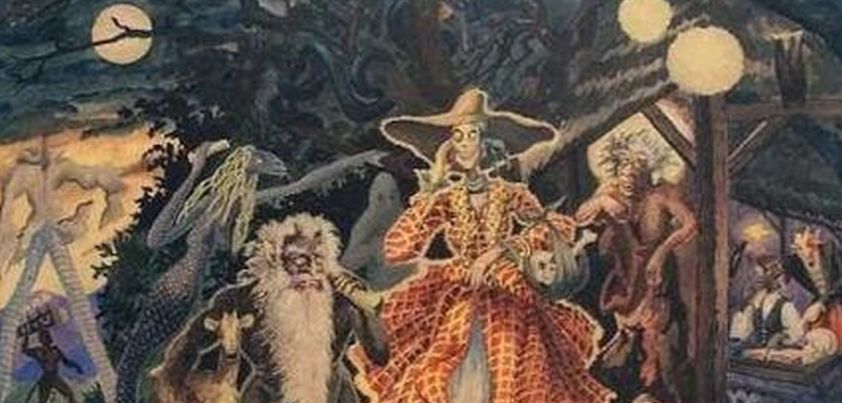 This story from Jamaica Kincaid shares several features mentioned in our analysis of another of her stories, Girl. These include the major theme of mother-daughter relationships, use of poetic techniques (especially repetition) and mystical references to Obeah (Antiguan witchcraft). A young girl takes a dreamlike walk through the night. It is an unstable, irrational world in which she encounters a vampiric woman, zombie-like man, and shape-shifting Jablesse. As the night becomes more threatening, she finds protection, comfort and permanent happiness in the arms of a loving, motherly figure. Other themes: darkness, dreams, the supernatural, confusion, fear, comfort, love.
 In this
  In this story by
 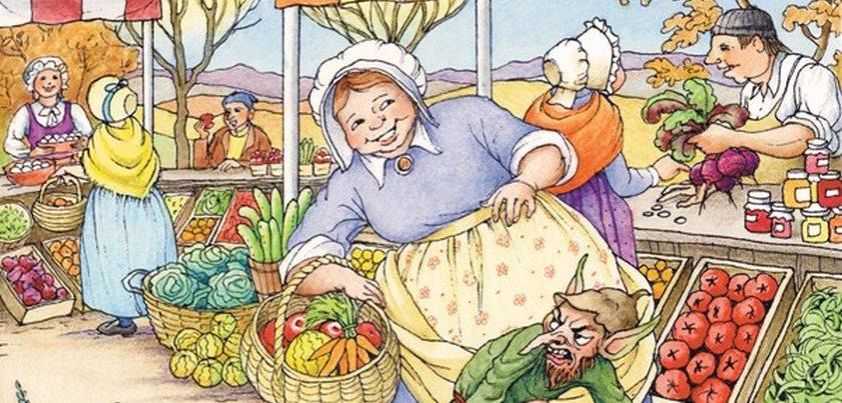 In this folktale, a strange looking little old man asks a nurse to come to his house to help his sick wife look after their baby boy. The man’s wife gives the nurse some ointment to put on the baby’s eyes. Being curious, the nurse puts some of it on one of her own eyes. The family seemed normal enough up to this point. However, the ointment helps her to learn their secret. The nurse pays a heavy price for her actions when the old man finds out what she has done.
 In this story by
 The major themes in this
  A more apt title for this story by