Featured Stories

Nadia the Willful

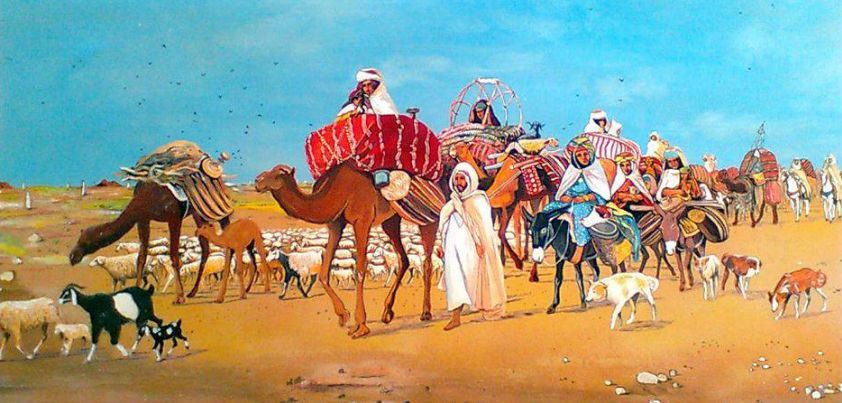
Nadia the Wilful: Short story by Sue AlexanderThe central theme of this story from Sue Alexander is dealing with grief and loss. When a Bedouin boy is lost in the desert, his shattered father (a tribal sheik) decrees that none of his people speak the boy’s name. Nadia, his willful daughter, finds that the only way she can cope with her brother’s loss is to talk about their happy times together. When others follow her example, the sheik reacts angrily. However he, too, soon learns that rather than blocking out the memory, the best way process the death of a loved one is to celebrate their life.
Continue ReadingNadia the Willful

The Prussian Officer

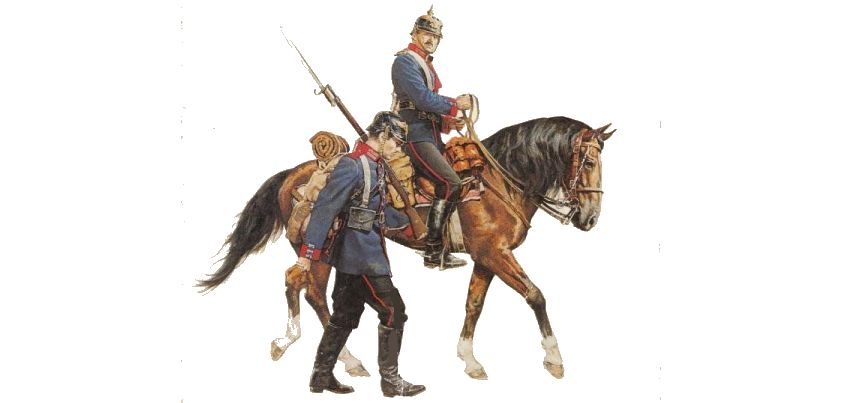
The Prussian Officer: Short story by D. H. LawrenceThe central themes of D. H. Lawrence’s The Prussian Officer are homoerotic attraction and abuse of power. An aristocratic officer becomes envious of and sexually attracted towards his orderly. Drawn by the twenty-two-year-old’s youthful innocence and vigor, the officer denies and tries to repress his feelings. Sensing what is happening, the orderly is cooler than usual towards him. The agitated officer responds cruelly, and the tension between them mounts until reaching a point where the orderly can take no more. Minor themes: (the officer) jealousy, denial, obsession, sadism; (the orderly) duty, loss of innocence, humiliation, isolation, loss of self-control.

Continue ReadingThe Prussian Officer

Birthday Box

Birthday Box: Short story by Jane YolenThe main theme of Jane Yolen’s Birthday Box is the need to make the most of one’s life, no matter what happens. The protagonist (Katie) is puzzled by her dying mother’s final birthday gift – an elaborately wrapped empty box. She takes her mother’s mouthed words “It’s you” as meaning “It’s for you” or “It’s yours”. A year later, she realizes her mistake. The birthday box is a symbol of herself: beautiful on the outside, but still empty inside. Her mother’s challenge is to metaphorically fill the box. Not with things, but experiences and achievements. Other themes: compassion, thoughtfulness, motherhood, death.

Continue ReadingBirthday Box

The Red Bow

The Red Bow: Short story by George SaundersThis dystopian story from George Saunders is often referred to as a metaphor for the post 9-11 Afghan and Iraq Wars. It is also an allegory of a much older, far-reaching problem: ethnic cleansing. A small group of dogs (people) is seen as a direct threat and are eliminated. After this, paranoia sets in. All dogs and cats (minority groups) become suspect and must also be removed. The dictatorial rise of Uncle Max by exploiting fear of the perceived “enemy” is also symbolic of the way many world leaders have come to power. Themes: tragedy, grief, paranoia, protection, authoritarianism.

Continue ReadingThe Red Bow

The Selfish Giant

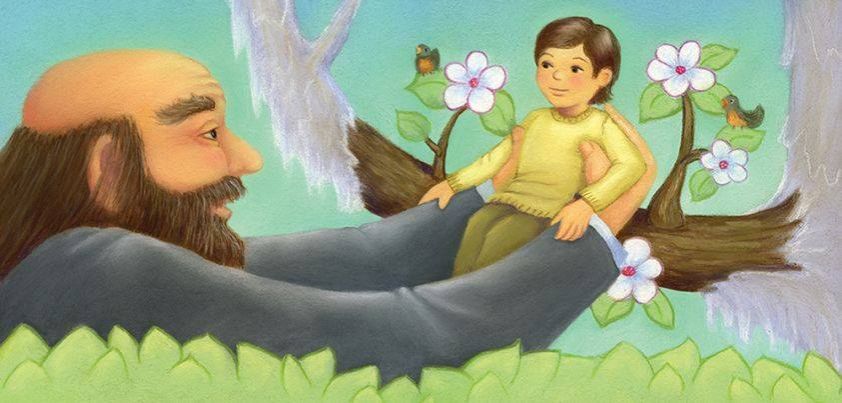
The Selfish Giant: Children's story by Oscar WildeThe Irish writer Oscar Wilde is known for his plays, his novel The Picture of Dorian Gray, and his short stories. He also wrote children’s stories, and this is one of the best known of these. A giant finds that his beautiful garden has become a playground for children. He drives them away and builds a wall around it. The seasons close in and his castle becomes a cold, miserable place. Redemption comes in the form of a small child the giant comes to love. The two main themes of the story are greed vs sharing, and Christian love.

Continue ReadingThe Selfish Giant

Diamond Cuts Diamond

Diamond Cuts Diamond: Indian folktale from Andrew LangIn this Indian folktale, a man travels to a distant land to seek his fortune. He succeeds and decides to convert his riches to jewels and return home. As he nears home, a ‘friendly’ merchant warns him that there are robbers on the road ahead. The traveler leaves his jewels in the care of the merchant. He then travels home to hire men to help him get the jewels through safely. On his return, the merchant tries to cheat him. To get the jewels back, the traveler needs help from someone who is even better at cheating than the merchant.

Continue ReadingDiamond Cuts Diamond

Désirée’s Baby

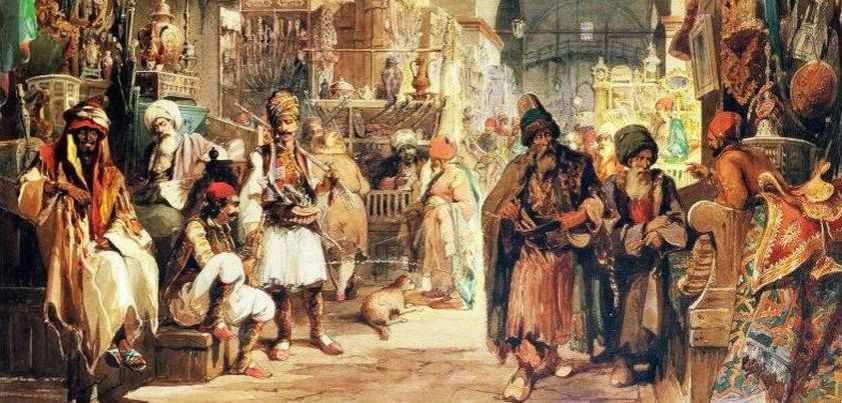
Desiree's Baby: Short story by Kate ChopinKate Chopin’s Désirée’s Baby Kate Chopin’s Désirée’s Baby reflects the culture of America’s ‘Deep South’ in the mid-1800s. The name Désirée originates from the French word for desire. Armand Aubigny, a young plantation owner who is proud, bigoted and harsh on his slaves, marries the orphaned Désirée for her beauty. He is not concerned about her unknown background until she has a mixed-race baby. His reaction causes Désirée to run from the house and flee with the baby into the bayou. Some weeks later, Armand uncovers an even more devastating secret. Themes (see below) include love, impulsiveness, racism, elitism, shame and/or vindictiveness, and identity.

Continue ReadingDésirée’s Baby

The Mystery of the Missing Cap

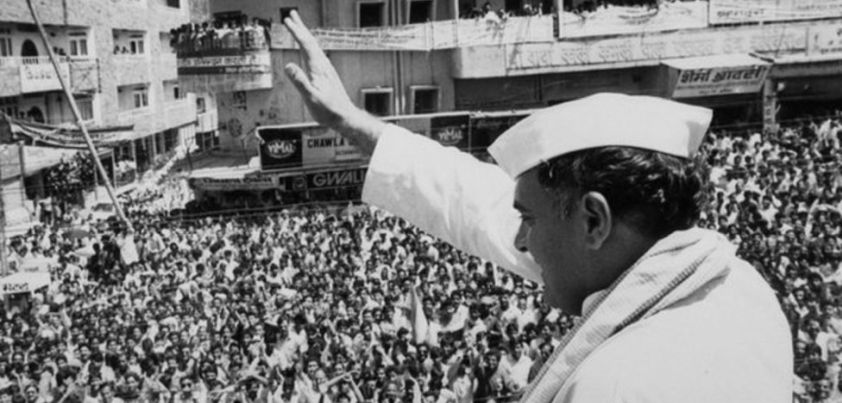
The Mystery of the Missing Cap: Short story by Manoj DasIt is evident from Babu Virkishore’s absurd ministerial title that this Manoj Das story is a political satire. The comment about the cap’s disappearance being a deep-rooted conspiracy with possible devastating political effects suggests that it is a “Nehru topi” (pictured above). The main themes, comically highlighted when Jhandoo the monkey tries on the cap and then hands it back to the bemused Minister are: 1) many officials of the day weren’t ready to govern; and 2) the general population was too poorly educated and reverent towards those in power to see this. Other themes: innocence, elitism, hubris, honesty, disillusionment.

Continue ReadingThe Mystery of the Missing Cap