A Country Doctor
 In this dream-like story by Franz Kafka, a country doctor experiences an existential crisis when his response to a call for help during a severe snowstorm sets off a surreal chain of events. The doctor’s horse has died, and a mystery groom who appears out of his pigsty with two unearthly horses rapes his housemaid as he leaves. When it becomes clear that the patient’s wound is incurable, the doctor is stripped naked in a pagan ritual and laid beside the dying man. Themes include isolation, duty, powerlessness, inner conflict, existentialism, loss of faith (in himself and his profession).
 This
This 
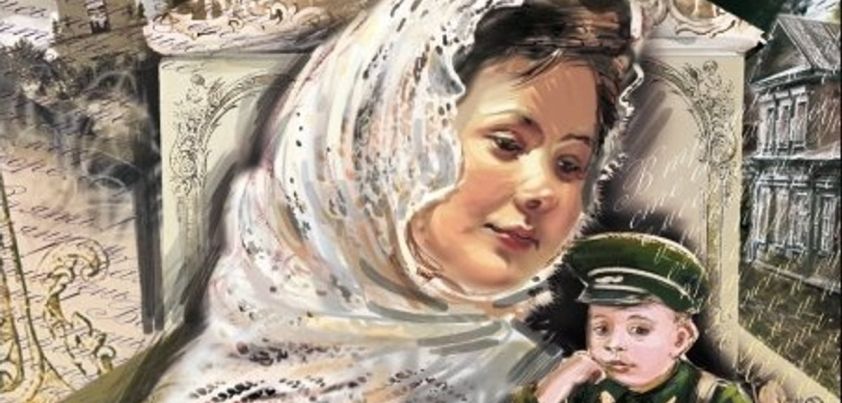 In psychological terms,
 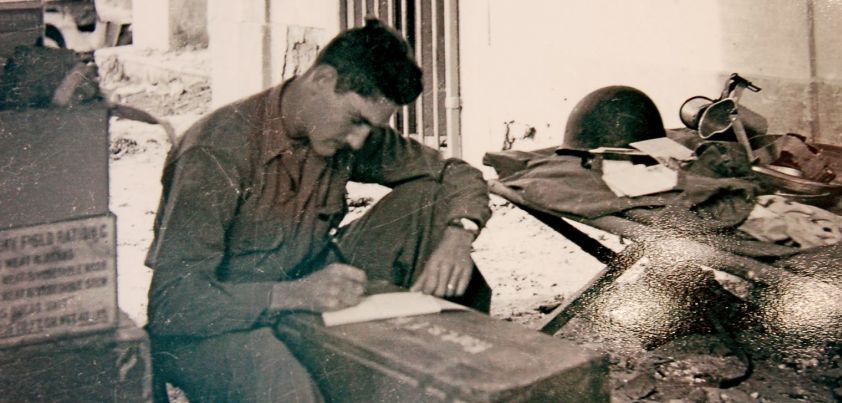 Set shorty after Philippine liberation at the end of World War 2, this rather intense story by
 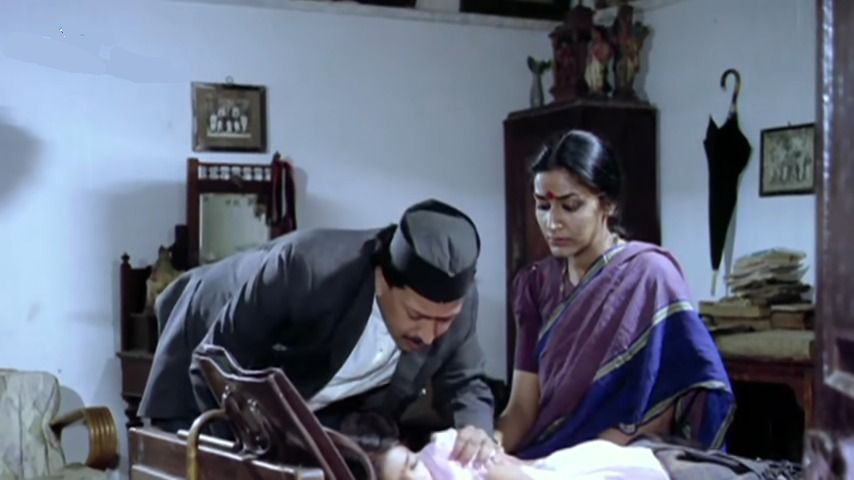 In this 1940s story by
  Set in 1940s New York, this story by
 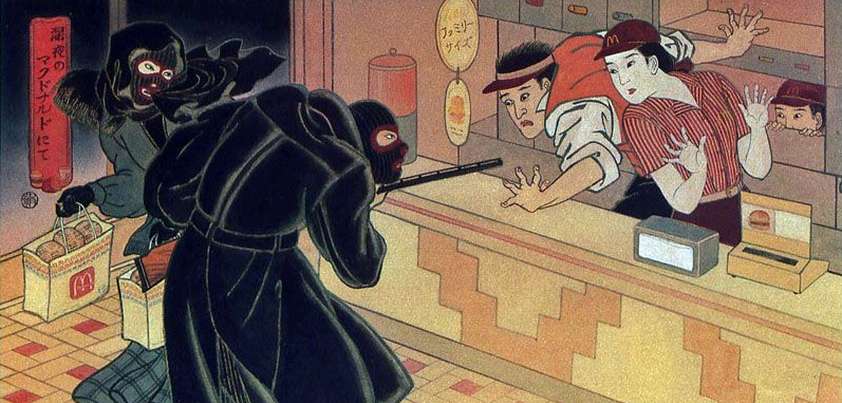 The Second Bakery Attack, one of
  Although not one of
  In this story by