 In this suspenseful mystery by Edith Wharton, a young woman marries a recently widowed man who admits to having been intensely in love with his deceased wife of twelve years. Everything seems perfect until a series of strange letters arrive, addressed to the husband in obviously feminine handwriting. The letters deeply disturb the husband, who refuses to disclose the sender or the contents. When the husband disappears and the secret of the letters is revealed, it appears that his dead wife may have won a ghostly contest. Themes: love, family, jealousy, honesty and mutual trust in marriage, alienation, he supernatural. More…
Do What You Can
 Sometimes a short, simple children’s story can carry a powerful message for people of all ages. Adapted from an old fable by Carolyn Sherwin Bailey, this story is about a raindrop that sees a farmer in distress. His carefully tended crop of corn is beginning to wither and droop and, although the raindrop knows it cannot save the crop alone, it decides to bring the farmer a moment of happiness. Contrary to the raindrop’s expectation, this makes a big difference. The story shows how a single act of kindness can often motivate others to also do good. More…
King of the Bingo Game
 This Ralph Ellison story opens with a poverty-stricken African-American man sitting in a theater waiting for the end-of-movie bingo game. He needs a win. His partner Laura is dying, and he has no money for medical treatment. The game begins and his numbers come up. When called onto the stage to spin a wheel of fortune to claim the prize, the hungry, alcohol affected man becomes delusional and creates a scene. Police intervene and, although the wheel stops on the jackpot number, he wins the game but not the money. Themes: identity (paranoia, alienation, desperation), prejudice, illusion, self-determination vs. fate. More…
Sweat
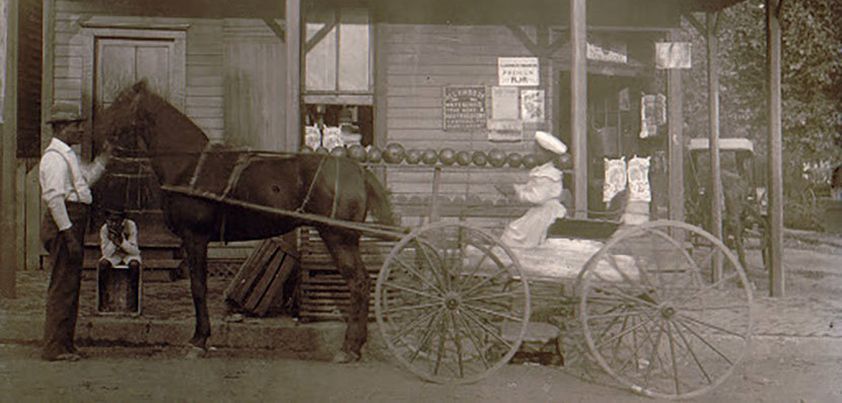 At its simplest, this story by Zora Neale Hurston is about a cheating, abusive husband who got what was coming to him. Everyone in Delia’s poor black community seems to know about her brutal mistreatment at the hands of husband Sykes. However, nobody offers to help. She finally reaches breaking point, and threatens to go to the “white folks” if he touches her again. Sykes wants Delia’s house and devises a plan to kill her but, in an ironic twist, she manages to turn the tables. Themes: oppression, good vs. evil, hard work vs. laziness, domestic abuse, adultery, courage, greed. More…
Marigolds
 In Eugenia Collier’s Marigolds the protagonist comes of age (or in her words loses her innocence) when caught in a senseless act of destruction. Angry about her father’s shame over not being able to find work, she lashes out at the garden of a neighbor who is trying to bring beauty and happiness into her life by growing marigolds. Ironically, the neighbor and her disabled son are even more destitute than the protagonist’s family. Themes: childhood memories, poverty, shame, envy, impulsiveness, empathy, guilt and possibly racism (the resentful references to “white folks” and comments about Miss Lottie’s “Indian-like” features). More…