 This touching story by Lars Gustafsson explores the life of a severely retarded man who was institutionalized from age seven. Although it mentions the obvious issues of social isolation, loneliness, and ill-treatment, these are not the focus of the story. Rather, it is a celebration of how, cut off from society and without love or human companionship, he uses childhood memories to connect to the world through an imaginary private universe in which, as the creator, he holds a place of greatness. Themes include social isolation and loneliness, powerlessness, the importance of language, memories, imagination, connection. More…
Let the Old Dead Make Room for the Young Dead
 In this story by Milan Kundera, an “almost old” widow faces a dilemma after a chance encounter with a much younger man she had seduced fifteen years earlier. Talking about their previous (for the man, awkward) lovemaking arouses his passions. She knows that giving in to his desire will almost certainly end in disgust over her aging body. However, she also knows that he is very likely the last young man who appeals to her with whom she will have the opportunity to have sex. Themes include sexuality, memories, aging and death, beauty, loneliness, regret, fulfilment/self-worth. More…
The People Could Fly
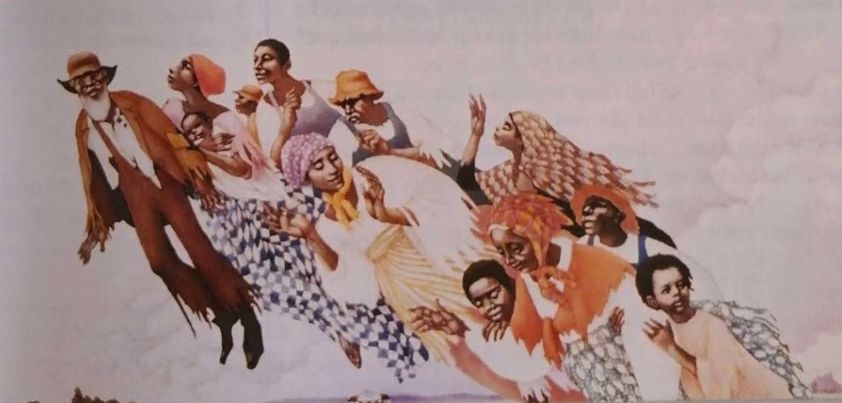 Reinterpreted folktales that include events from recorded history play an important part in cultural renewal by helping later generations relate to their heritage. This African-American example from Virginia Hamilton packs a lot into just 1200 words. Its major themes are slavery, cruelty, suffering, Free-dom, and hope. Freedom comes when Toby’s magic words rekindle the forgotten ability of some slaves to fly. For readers not into the supernatural, flying could also be a metaphor for running away or even death. Hope comes in Toby’s call to those left behind to wait for their chance to run. More…
Open It / Khol Do
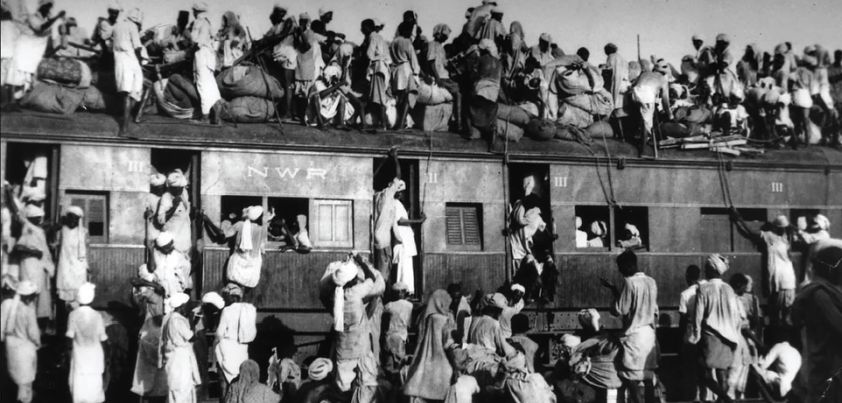 Set in the aftermath of India’s Partition, this story by Saadat Hasan Manto highlights how a total breakdown in law-and-order led to many predatory attacks against women. A father, separated from his seventeen-year-old daughter as they fled after his wife was disembowelled in front of them, desperately searches for her in a refugee camp for Indian Muslims evacuated to Pakistan. Some camp volunteers agree to look for the girl. They are successful, but do not return her. When found, her corpse displays a shocking conditioned reflex. Themes include displacement, chaos, gendered violence, depravity, fatherly love, despair. More…
Bread of Sacrifice
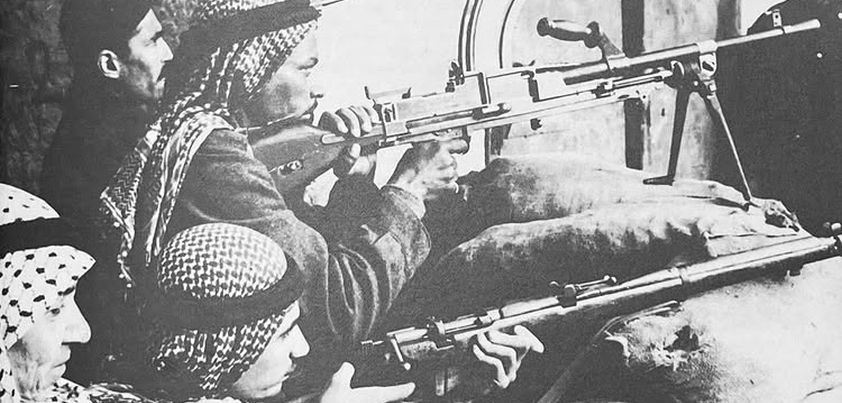 Set during the 1947-1948 civil war in Mandatory Palestine, this story by Samira Azzam describes a tragic romance between a Palestinian fighter defending the city of Acre and a young nurse who elected to remain after her family had fled. Both are idealistic and prepared to die out of love for their homeland. The girl is shot delivering a basket of bread to the starving men on the soldier’s roof-top barricade. The men face a dilemma… eat something prohibited under Islamic law (a dead dog), or bread soaked in the martyred woman’s blood. Themes include love, patriotism, courage, death. More…