 This humorous story from Samuel Clemens (aka Mark Twain) explores two themes related to the power of money. The first is the different attitudes people have towards the rich and the poor. The second, which is particularly relevant today, is the power the rich (influencers) can exert over the decision-making of admirers (followers). Other themes: enduring love (Portia and Henry’s relationship prospers, despite their playful deceptions); honesty (Henry’s intention to pay back his debts); and the peculiarities of British High Society (settling arguments with bets, determining social position through gossip columns, and missing meals if unable to decide seating precedence). More…
The Eatonville Anthology
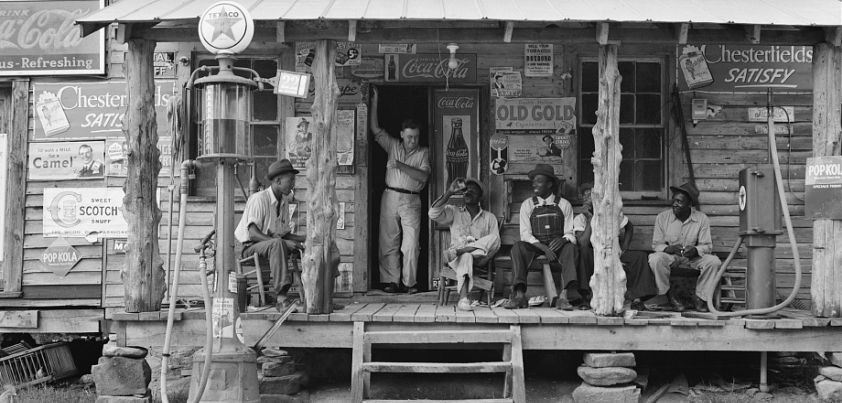 Rather than a single story, Zora Neale Hurston’s Eatonville Anthology is a series of vignettes and anecdotes about life in a small African-American community outside Orlando, Florida in the early 1920s. Eatonville was Hurston’s hometown, and the power of her anthology is that each story is based on either real people and events or local folklore. This and the use of authentic dialect capture the local color and folksy spirit of the town, and highlight an important theme: the traditional role of storytelling in preserving cultural heritage. Other themes: community, connection, change. More…
The Catbird Seat
 Set in 1940s New York, this story by James Thurber is a not-so-gentle satire of the lengths to which desperate people will go to resist change. A meek, solitary man believes the brash efficiency expert brought in to streamline his employer’s workflows threatens his job and must be “rubbed out”. He plans what he considers an almost perfect murder, only to be thwarted at the last moment by lack of a weapon. Fortunately, in a moment of inspiration, he turns the tables and puts himself in the “Catbird Seat”. Themes: workplace gender stereotypes, alienation, change, insecurity, desperation, revenge. More…
The False Prince and True
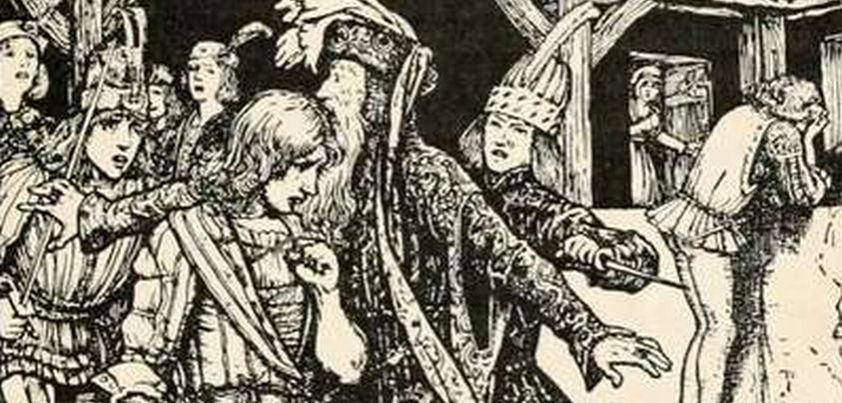 This Portuguese folktale begins with a king learning about an argument between his son and a young nobleman on a tennis court. The prince spoke rudely to the noble, who lost his temper and hit him. Although the king is angrier with his son for not fighting back than the noble, hitting the prince is punishable by death. The only way the noble can save himself is to marry a very ugly, very old woman. As is often the case in folktales, there is a lot of magic around and some surprises are on the way for all involved. More…
What Men Live By
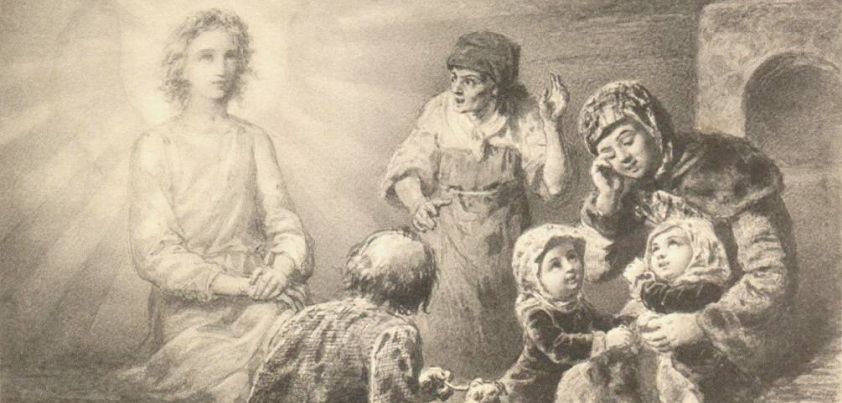 In this story by Leo Tolstoy, God punishes a disobedient angel by casting him out of Heaven to live as a man. The only way he can get his job back is to learn the answers these questions: What dwells in man? What is not given to man? and What (do) men live by? He learns the answers from the family of a poor but compassionate shoemaker, an imperious rich man, and a kind, charitable woman who has adopted the two orphaned children of a dead neighbor. Themes: humanity, compassion, kindness, arrogance, duty, death. More…