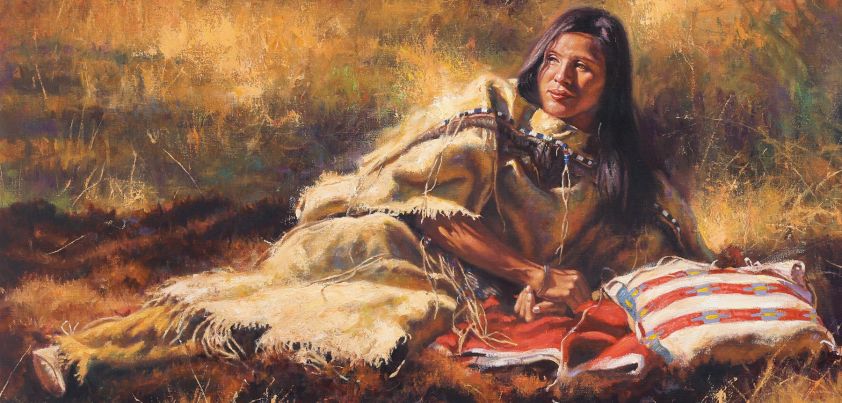
 “Yellow Woman” is a central, usually heroic figure in the folklore of Pueblo Native Americans. Like Leslie Marmon Silko’s protagonist, she is often portrayed as an independent, sexually uninhibited character who connects with the spirit world. This story blurs the lines between that myth and reality. The “real world” presented is full of conflicts: old ways vs. new; pristine landscapes vs. ranches and highways; law and order vs. cattle theft and murder; faithfulness vs. desire. In the end, it is this reality that wins the day. Themes: storytelling, myth vs reality, identity, interconnectedness with nature, empowerment through sexuality. More…
Wicked Girl
 In this story by Isabel Allende a solitary, prepubescent eleven-year-old tries to sexually arouse her mother’s secret lover. At first the soundly sleeping man responds but, when he wakes and realizes who it is, he violently casts her aside. After she is sent to a convent, the profoundly affected man develops an unhealthy attraction towards young girls. When they meet again fifteen years later, he begs forgiveness for having rejected her in the hope this will cure his poisoned mind. She is speechless, not remembering the event. Themes include solitariness/disconnection, sexuality, obsession, the power of passion, escape, resilience. More…
The Daffodil Sky
 In this story by H. E. Bates, a man sent to prison for killing a love rival in a jealous rage returns to the scene of the crime. His intent is to confront the woman they were fighting over, who was once his fiancé. As he knocks on her door he has a premonition that if she opened the door he might not be able to restrain himself but would rush straight at her and kill her. Fortunately for him, the person who opens it is a pleasant surprise. Themes: passion, jealousy and rage, choices and consequences, alienation and loneliness. More…
Holiday
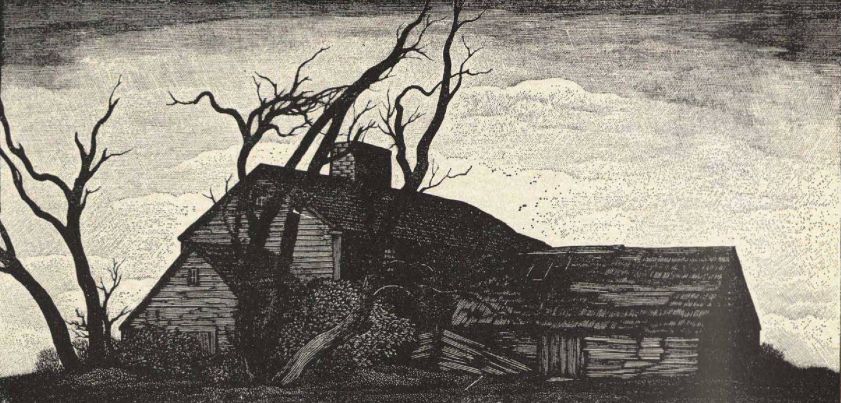 In this disturbing story from Katherine Porter, a young woman suffering undisclosed “troubles” decides she needs a holiday. On the recommendation of a friend, she visits the farm of a German immigrant family. During her stay, she feels a special connection with a “crippled, badly deformed” serving girl. Later, she is concerned to learn that the girl is the parent’s older daughter who, because of her disabilities, has been consigned to a life of drudgery and is largely ignored by the otherwise loving family. Themes: family, gender roles, the beauty and power of nature, alienation, suffering, life and death, humanity. More…
The Things They Carried
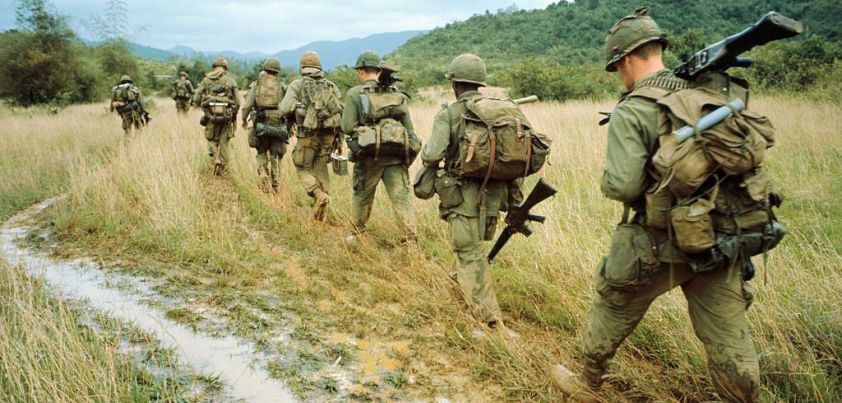 The strength of this Vietnam War memoir by Tim O’Brien is the matter-of-fact way the life of the soldiers (“grunts”) is portrayed. Although the military and survival equipment carried by the men is listed, the major theme of the story is the emotional burdens they carried – both those the men brought to the war, and those they took on during its course. First Lieutenant Jimmy Cross learns an important lesson: in order to do your duty and survive the war, you need to find a way to let go of these. Other themes: war, love, individual and collective responsibility. More…