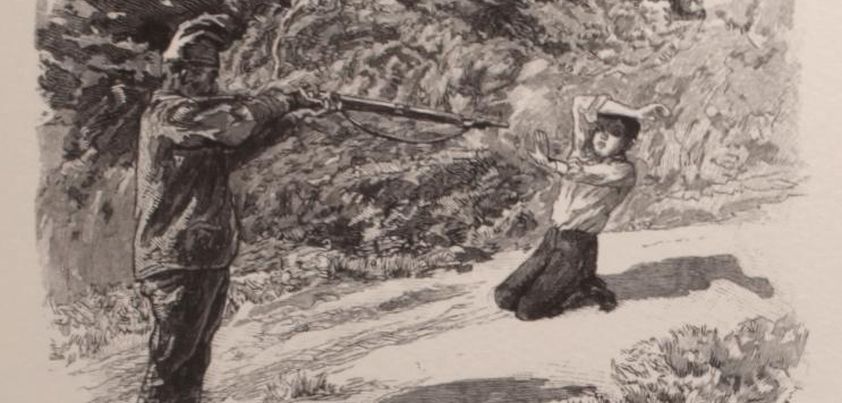
 This disturbing tale by Prosper Mérimée has been called “the cruellest story in the world”. Although it deals with some complex issues, the plot is rather simple. Set in the wilds of Corsica, a bratty ten-year-old boy left home alone is confronted by a wounded criminal fleeing the police. He pays the boy to hide him but, when the police arrive and offer a bigger reward, the boy betrays the man. This brings shame upon his family, and forces his father to enforce the Corsican Code of Honor. Themes include greed, honor and betrayal, custom (vendetta), violence and brutality. More…
The Summer Solstice
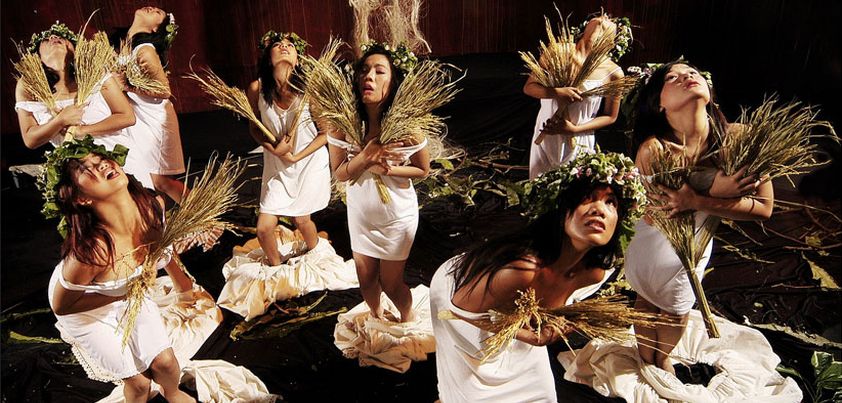 This story by Filipino writer Nick Joaquin takes place over the final two days of a “hybrid” religious festival. Because both take place over the summer solstice, the Catholic feast of St John and pagan Tadtarin fertility rituals are celebrated together. Tadtarin is performed exclusively by women (or men dressed up as women), invoking their power to ensure a bountiful harvest. Events lead to an unsettling climax where a usually submissive wife pitilessly humiliates her rich landowner husband. Themes include gender stereotypes (especially male domination and cruelty towards women) and cultural changes brought about by Westernization. More…
Here We Aren’t, So Quickly
 Many readers find this Jonathan Foer story confusing because of its unconventional style. It comprises a series of short, seemingly random recollections and observations about a couple’s past, often in the form of negative declarations. On the first read, the differences between the two people appear so vast that it is hard to see how they could remain happy together. Themes include the swift passing of time, personality growth as we age, understanding and accepting differences, and the development of a relationship from individuals (”I” and “You”) to a couple (“We”) and then a family (“We” and “He”). More…
Three Girls
 In this story by Joyce Carol Oates a woman recalls when, as a college student, she and a fellow girl-poet encountered a woman they believed to be a heavily disguised Marilyn Monroe browsing in a used bookstore. Torn between acknowledging the woman and protecting her privacy, they choose the latter. “Marilyn” gives them a book as a memento and leaves. For the girls, who are coming to grips with their sexuality and mutual attraction against social norms of the time, the shared experience triggers a first kiss. Themes include identity, gender norms, sexuality, passion, courage, stereotypes. More…
The Turning
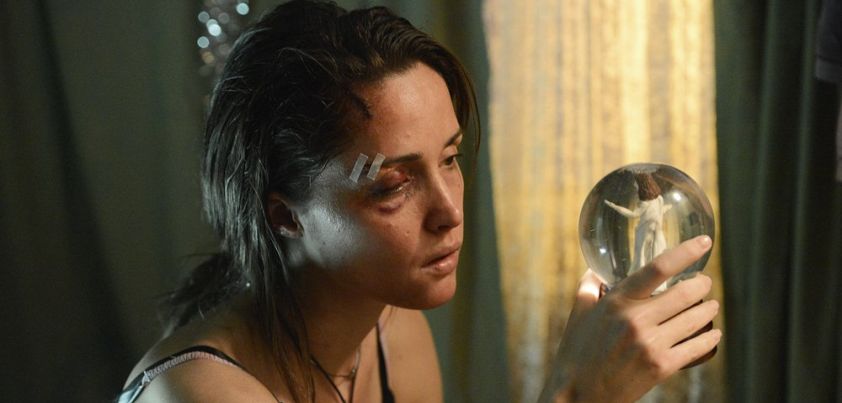 This story from Tim Winton includes themes of alcohol abuse, domestic violence, child neglect, shame, friendship and faith. A mother of two whose hard-drinking husband is increasingly violent towards her becomes close friends with a “Ken-and-Barbie” like new couple in town. When the couple share a story of how religious faith helped turn their lives around, she rejects the notion as not for her. Later, the impulsive purchase of a novelty “snow dome” featuring a hunky-looking Jesus walking on water not only provides amusement, but also becomes the catalyst for an epiphany as she endures a brutal marital rape.