 The Asian-American protagonist in this story by Lensey Namioka desperately wants to impress her parents by winning the Best Story Award for her grade in her school’s annual writing competition. Meanwhile, a nerdy classmate and neighbor has developed a time machine in his garage. She is the only one who knows about it and, when she can’t come up with a story she is happy with, she decides to travel forward in time to copy the winning entry. Her major concern is coming face-to-face with herself! Themes include pressure to succeed, friendship, time travel, cheating. More…
The Scholarship Jacket
 This story by Marta Salinas is about prejudice, privilege and hope. Martha is 14 and about to enter High-School. Her parents are very poor, so she lives with her grandparents. Marta gets top grades, and wants nothing more than for this to be recognized by winning the Grade 8 Scholarship Jacket. She is devastated when she hears two teachers arguing about whether the jacket should go instead to a lesser student whose father is on the School Board. When Martha explains the problem to her grandfather, his answer proves that you don’t need a formal education to acquire great wisdom. More…
Blacksoil Country
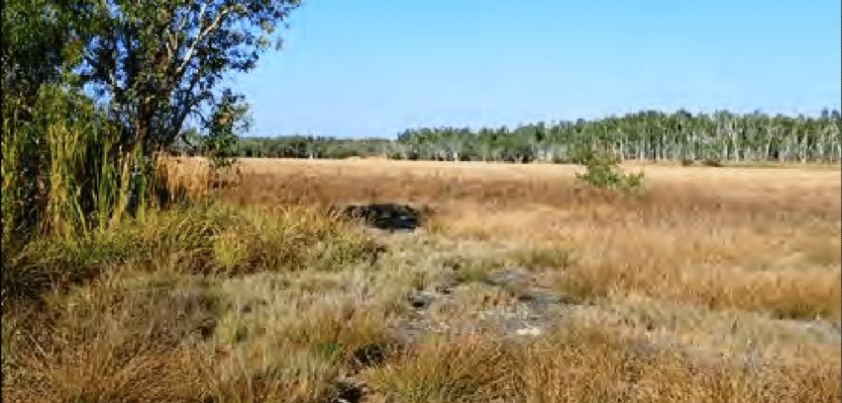 Blacksoil Country by David Malouf has major themes of struggle taming the Australian bush, tolerance of its native peoples, and perspectives on ownership and access to the land. A settler shoots an innocent Aborigine bearing a gift from a neighbor. Shortly afterwards, his twelve-year-old son is brutally murdered. This triggers a racially driven killing spree, which elevates the man from a surly loner nobody wanted to associate with to hero status. Ironically, the boy is the only “white” character to have come close to understanding Aboriginal spiritual connections to the land. Other themes: father-son relationships, loyalty, racism, violence, revenge, spirituality. More…
Cinderella
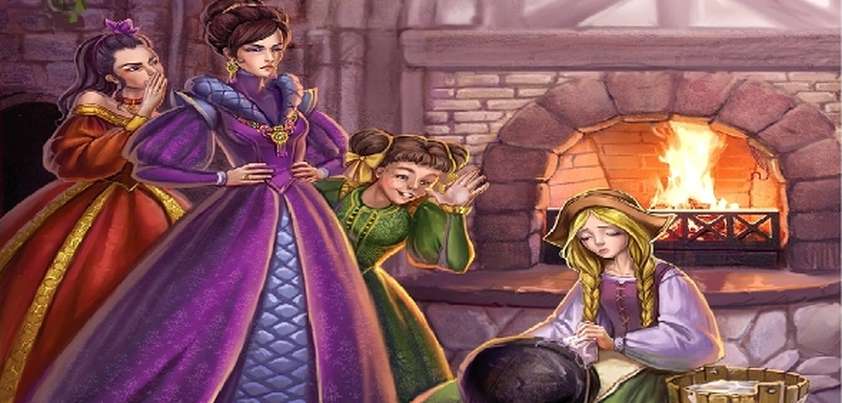 Cinderella, perhaps the world’s best-known children’s story, has its origins in folklore. The version immortalized by Disney was first published in Charles Perrault’s 1697 book Stories or Tales from Times Past, with Morals, also known as Tales of Mother Goose. (Yes, Mother Goose was a man!) There are said to be over 1,000 variants of the story across the world. Perrault took the original framework, which has been around since the days of the pharaohs, and added the three elements for which his version is famous today: a fairy godmother, a pumpkin-carriage, and glass slippers. More…
Kew Gardens
 Rather than a unified plot, this Virginia Woolf story describes a series of unrelated events over a few minutes of time. A married couple exchange memories of earlier visits to the gardens; an eccentric old man accompanied by a carer talks nonsense to the flowers; two elderly women break into their small talk to gossip about the old man; an infatuated young couple create their own memories for later visits; a purposeful snail decides on the best path to its destination. Themes: peace and beauty amid turmoil, isolation, memories, regret, aging, romance, gender roles, aimlessness vs. focus and determination. More…