 In this chilling story by Ray Bradbury, frantic parents who try to rein in their spoiled children by shutting down the hi-tech games room in their “HappyLife” home become a “HappyMeal”. Although written in 1950 to question the rising influence of television, the story serves as a warning to modern parents who let their children build their lives around social networking and/or game play. The story’s major theme is the alienation, dehumanization and breakdown of family values that can arise in a household through over-reliance on technology. Other themes include consumerism, poor parenting, illusion vs. reality, dystopia. More…
Breakfast at Tiffany’s
 Set in the early 1940s, this story by Truman Capote explores the relationship between a budding writer and his downstairs neighbour, mysterious New York café society girl Holly (Holiday) Golightly. Holly lives by socializing with, and seeking a husband from among, wealthy men who take her to clubs and restaurants and give her money and expensive gifts. Unfortunately, a side hustle with a jailed mob boss forces a hasty exit from the country, after which she is not seen again. Themes include freedom, independence and privacy, sexuality, manipulation, yearning for wealth, love and happiness.
Flowering Judas
 The major theme of this story by Katherine Porter is betrayal. Other themes include alienation, fear, corruption, despair and guilt. Laura, an idealistic American schoolteacher who traveled to Mexico to support the socialist revolution has a sense of impending doom. Trapped by the unwanted attentions of the corrupt, adulterous revolutionary Braggioni and with no love for the Mexican people, she feels lost and alone. Braggioni’s lifestyle is a betrayal of both his socialist ideals and marriage. In working for a socialist cause, Laura betrays her Catholic faith. Her sexual repression could also be seen as betrayal of her womanhood. More…
The Wedding Dance
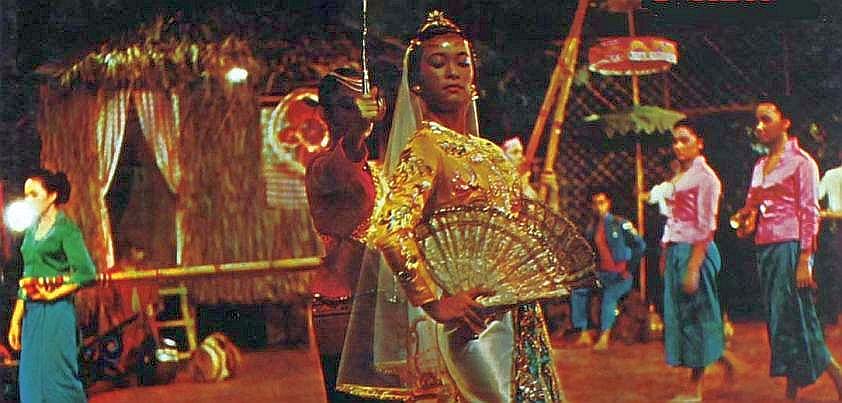 The major themes of this touching story by Amador Daguio are tradition, love and courage. Set in pre-colonial Philippines, a villager follows custom and remarries when his wife fails to conceive. Despite their pledges of love, neither challenges this unwritten law. Whether the theme of “courage” has positive or negative connotations for the protagonist depends on the reader’s interpretation as to why she walks away from her husband’s second wedding dance. Is this because she lacks the courage to confront the tribal elders, or because she finds the courage to “let go” and sacrifice her happiness for her husband’s honor? More…
The Jay
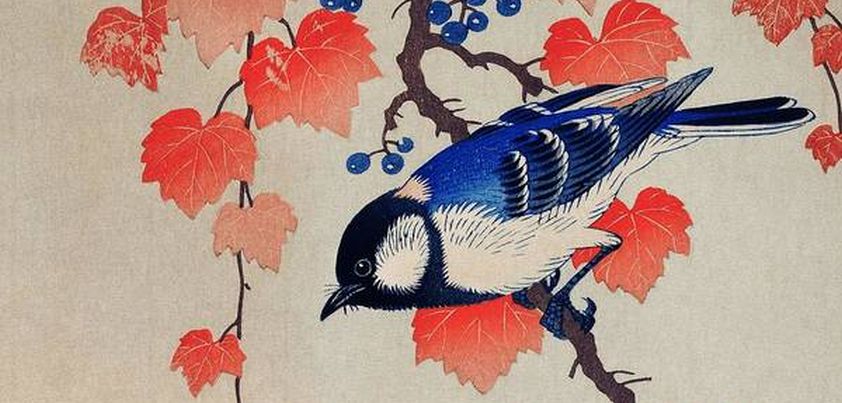 The Jay is one of Yasunari Kawabata’s famous Palm-of-the-Hand Stories. A small bird is causing a fuss because it can’t find a lost chick that has fallen from its nest. A young woman about to enter into an arranged marriage also feels lost. She has never known her birth mother, who her father divorced when she was very young, and lives with her grandmother. Her father and stepmother are coming to visit with the mother of her fiancé. The major theme, exemplified by the bird, is the intensity of motherly love. Other themes: family, marriage, uncertainty, wisdom of the aged. More…