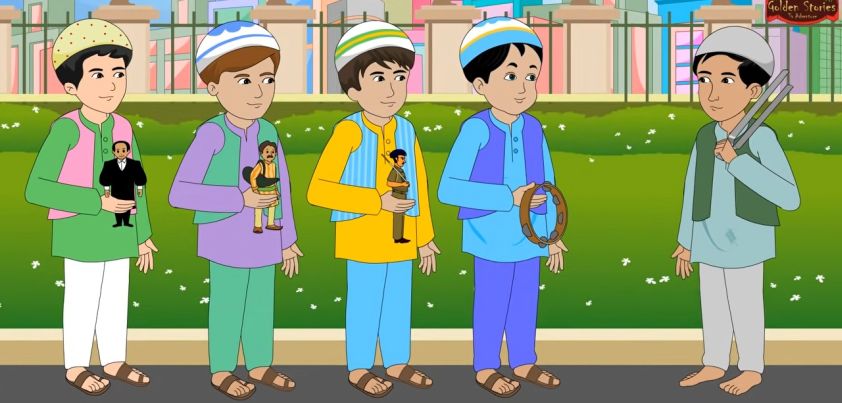
 In this well-known Indian children’s story from Premchand, a young orphan foregoes the pleasures enjoyed by friends at a festival to buy a pair of tongs to prevent his poverty-stricken grandmother from burning her hands when cooking. The most obvious themes are related to the boy: poverty, innocence, hope, love, selflessness, temptation and willpower. However, at around 5,000 words, the story also highlights several additional issues. The boy’s friends display materialism and greed, while other themes include religious devotion, superstition (Jinns), village vs. city life and, through the fate of the dolls, the fall of British colonialism. More…
What You Pawn I Will Redeem
 In Sherman Alexie’s typical witty style, this story recounts what turns out to be a very special day in the life of a homeless, alcoholic Native American man. The central theme, symbolized by his grandmother’s stolen ceremonial regalia, is the importance of Native Americans being able to preserve and connect with their tribal culture. A second theme is how past injustices and support system failures have resulted in Native Americans having the highest homelessness and poverty rates in the country. Other themes: identity, alcoholism, community, kindness, perseverance, connection. A possible moral: never give up if you really want something. More…
A Simple Heart / Soul
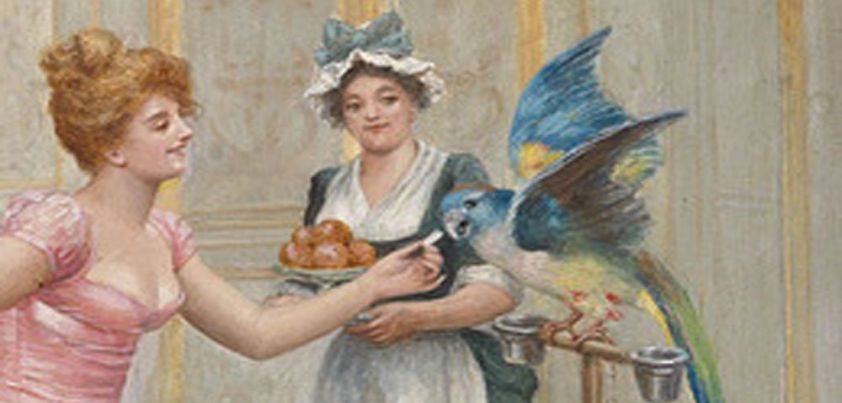 Set in nineteenth century France, this story by Gustav Flaubert portrays the life of an uneducated, simple-minded country girl who lives through fifty years of drudgery as house servant to a “disagreeable” woman who has fallen on hard times. The girl’s story evokes feelings of both admiration and sympathy: Admiration for her loyalty, piety, kindness and failure to give in to despair; Sympathy for her shameless exploitation, history of disappointment and loss, and misery and suffering approaching death. Themes: innocence; duty, faith and virtue; love and compassion; social class; wealth, poverty and exploitation; suffering, loss and death. More…
Marjorie Daw
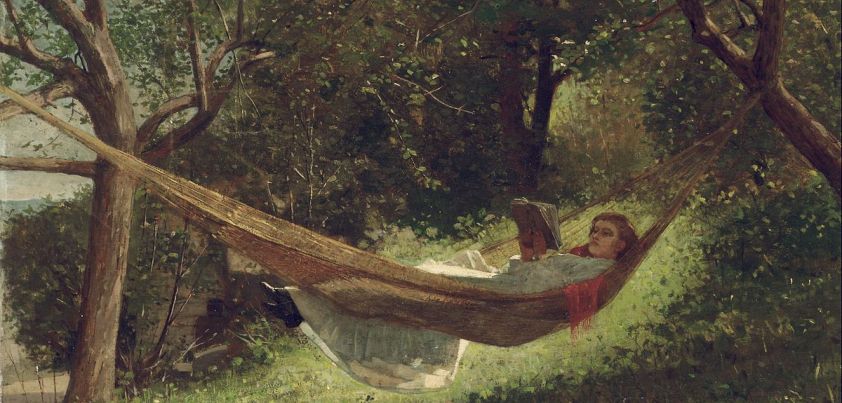 The major theme of this story by Thomas Aldrich is how well-intentioned deception can lead to unexpected results. A wealthy, self-absorbed young man has difficulty adjusting to being confined to a sofa with a broken leg. His doctor asks the man’s best friend, who is holidaying near the sea with his sick father, to write frequently in order to “distract and cheer him up”. The friend complies, beginning with an innocent white lie about the beautiful girl living across the road. Unfortunately, as is often the case, one lie leads to another and soon the distraction grows into an obsession. More…
The Chance
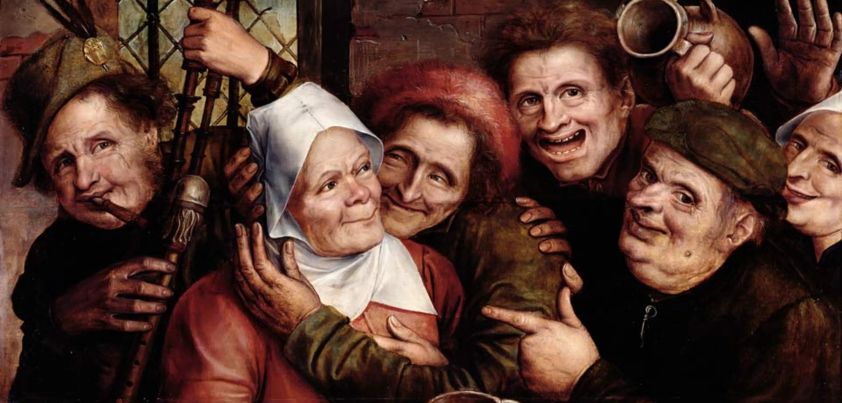 In this story by Peter Carey, a bitter old man looks back on a time when he desperately tried to prevent his attractive lover from making herself ugly in a genetic lottery known as “The Chance”. The lottery, in which winners could alter their age or body shape, was run by alien invaders. Physical beauty was a social liability at the time and, as a member of a revolutionary movement intent on overthrowing the aliens, she was prepared to sacrifice her looks to remain anonymous. Themes include alcohol and drug abuse, love, chance, perceptions of beauty, courage, sacrifice. More…