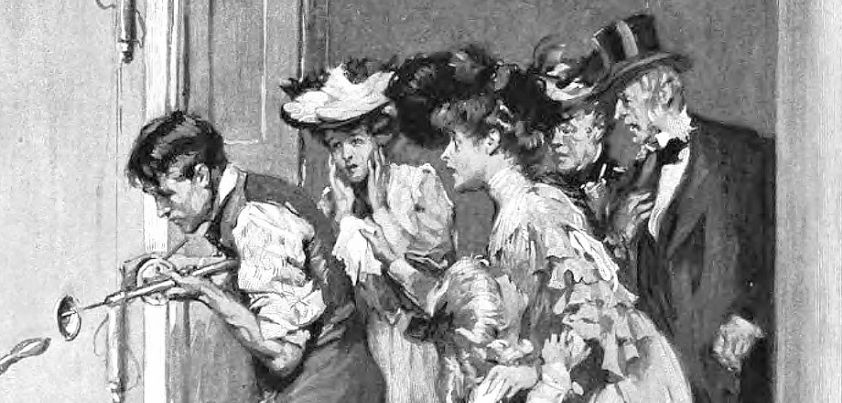
 In this story from William porter (aka O. Henry), safe-cracker Jimmy Valentine gives up his life of crime for love. He changes his identity, builds a successful business, and becomes a model citizen. Unfortunately, police detective Ben Price is hot on Jimmy’s trail. The title reflects Price’s decision to let Jimmy “retrieve” his “reformed” life after witnessing him risk it all to save a child. Themes: love, reform, redemption and identity. Love succeeds in reforming Jimmy where the justice system had failed. Redemption comes with Jimmy’s potential sacrifice. A possible moral: there is a Ralph Spenser (good side) in everyone. More…
This is What It Means to Say Phoenix, Arizona
 In this story by Sherman Alexie a young Native-American man enlists the help of a boyhood friend he had grown away from to go on a road trip to bring back his father’s ashes. The focus of the story is the relationship between the two, and how it reflects growing individual and cultural disconnection among tribal Native-Americans. The other man’s help is not in recognition of their former friendship, but rather out of obligation for a deed of kindness once performed by the dead man. Themes include poverty, storytelling, friendship, alienation, loneliness, forgiveness, decline of Native-American culture. More…
The Shawl / Rosa
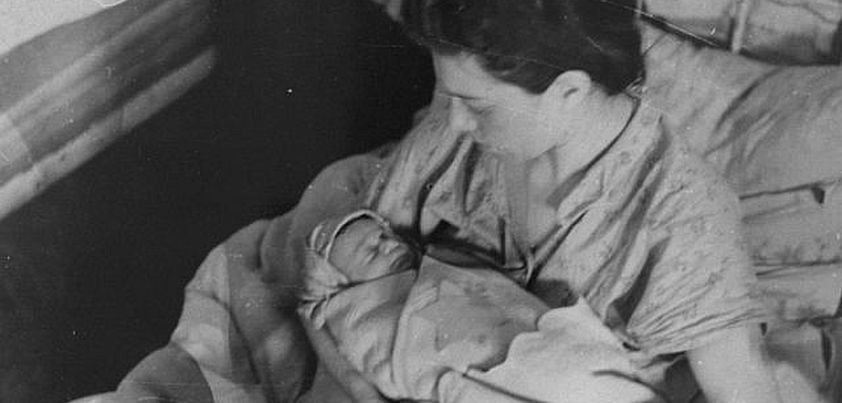 Today we are featuring two award-winning stories from Cynthia Ozick. The first, The Shawl, is set in Second World War Poland and deals with the horrors of the holocaust as experienced a young mother (Rosa), her infant child (Magda), and fourteen-year-old-niece (Stella). The second story, Rosa, is a sequel to the first. Set in the USA over thirty years later, it demonstrates the devastating long-term effects of the women’s war-time experiences. More…
The Prisoner Who Wore Glasses
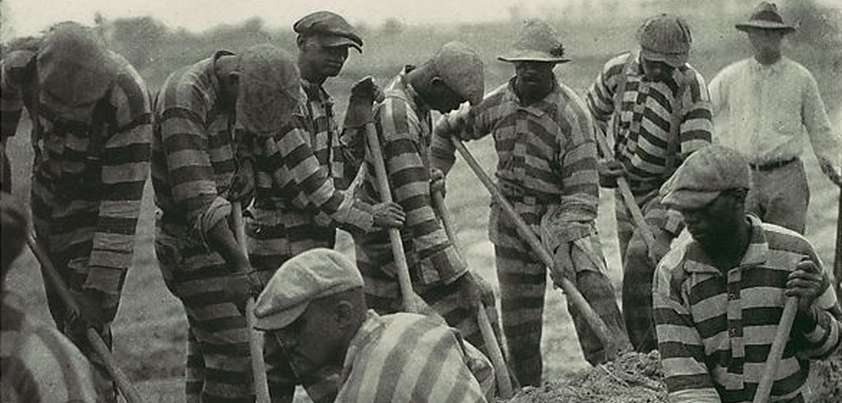 This story from Bessie Head is about a group of political prisoners who unite to survive the harsh South African penal system. Physically, the main character (Brille) is the weakest of the span of ten prisoners. This is reflected in his build, his clumsiness, and his poor eyesight. Brille compensates for these weaknesses with strength of character and insight. A beating from a warder helps him see that he entered politics for the wrong reason; it also shows him a way to manipulate the warder to improve things for the whole span. His glasses symbolize both weakness and perceptiveness. More…
The Grasshopper and the Bell Cricket
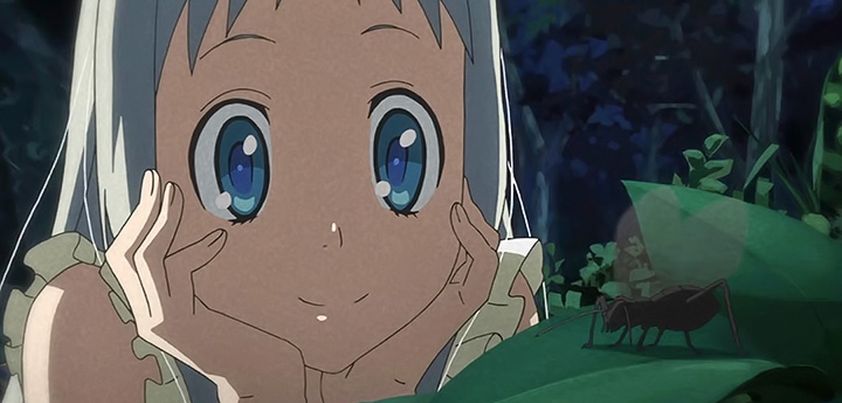 In understanding this story from Yasunari Kawabata, it is important to know that in Japan, grasshoppers are considered common insects whilst bell crickets are highly prized because of each male’s unique cry. In calling out Does anyone want a grasshopper? several times until Kiyoko responds, Fujio signals that he knows which of the two he has caught and who he wants to give it to. To me, the major themes of the story are love and perception: what some may mistake for a grasshopper, others will recognize as a bell cricket (and vice-versa!). Other themes: childhood innocence, individualism, destiny, beauty. More…