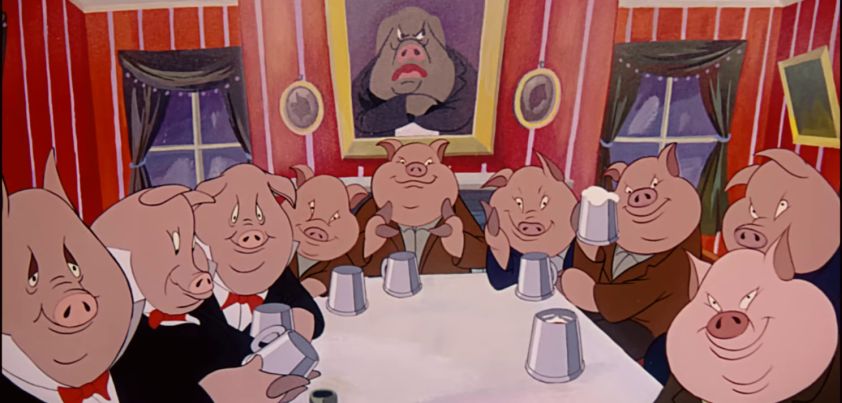
 Given events taking place in modern-day Russia, it is timely to revisit this classic political satire from George Orwell. Included in Time Magazine’s list of the 100 best English language novels, the story is an allegory of the 1917 Russian Revolution and rise of Stalinism. Major themes (and the reasons for its relevance today) are the lust for and corrupting effect of power, and how an unenlightened populace can be manipulated into continued acceptance of a failed/corrupt political system. Other themes: idealism, political transition (autocracy→ socialism→ communism→ autocracy), class, animal cruelty (= exploitation of the working class). More…
Heat
 In this confronting story by Joyce Carol Oates, mischievous eleven-year-old twin girls are brutally murdered by Roger Whipple, a supposedly harmless, mentally challenged man. Major themes are power, cruelty and violent revenge. The twins exercise persuasive power by demanding compliance with their wishes from school friends and cruelly harassing and making fun of Roger. The power theme is emphasized through anecdotes about the girls’ antics and dark humor: We liked it that Rhea and Rhoda had been killed … but we didn’t like it that they were dead; we missed them. In the end revenge, and Roger’s physical power, prevail. More…
The Outsider
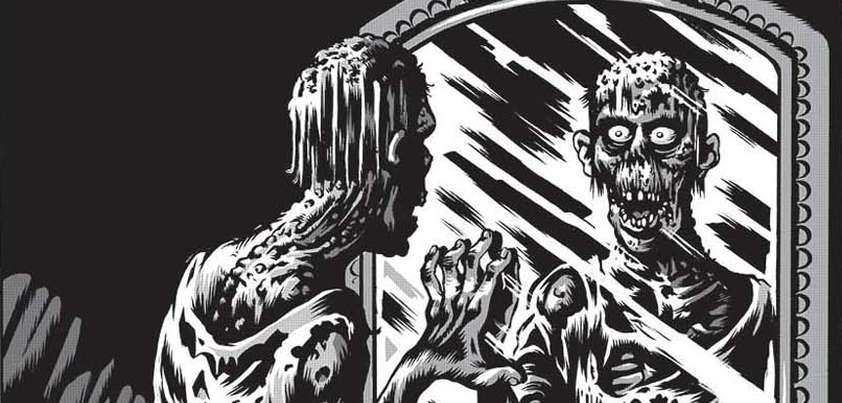 H. P. Lovecraft was a pioneer of cosmic horror, a sub-genre in which gothic settings and “other-worldly” elements replace shock and gore. A feature of his writing is nightmare-like plot twists that defy logic or reason. Here, a man grows up alone in a decaying castle set among frightening woods. When he climbs the crumbling castle tower to look further afield, he finds a stone slab that leads to an earth-like world above the clouds. He is excited to encounter other people, but soon learns a frightening truth. Themes include alternative reality, isolation and loneliness, social rejection, alienation, self-discovery. More…
The Master Thief
 This Norwegian folktale is about a young man whose poor father sends him out into the world to earn a living. He joins a group of robbers, and is so good at stealing that he becomes their leader. The Master Thief returns home a rich man and decides to marry the Governor’s daughter. In order to marry the girl, he must prove how good a thief he is. This story goes against the English idiom: Crime doesn’t pay. The moral seems to be that crime does pay… but only if you are very good at it! More…
Blue
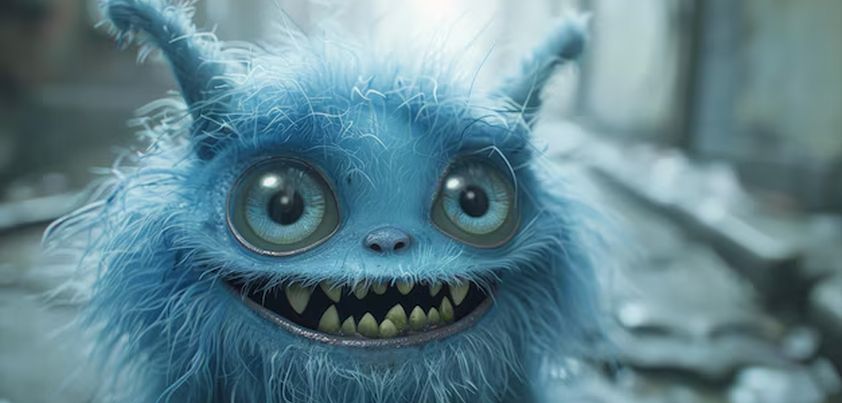 In this story by Francesca Lia Block, a girl abandoned by her mother finds temporary comfort in stories about how much her mother loved her told by an imaginary creature living in her closet. When she shares this with a school friend, she is ridiculed and ostracized by classmates. A class assignment to “write about someone we love” provides an opportunity for the girl to put her thoughts and feelings about her mother on paper. This helps her face the loss, and gives her the courage to go on alone. Themes include family, loss, isolation and loneliness, healing through writing. More…