 Set in the American South during the days of enforced segregation, this story by Jean Toomer involves a love triangle between Louisa, an attractive young African-American woman and two men. Bob (the entitled son a white planter whose slaves were freed and landholdings reduced after the Civil War) picks a fight with his adversary Tom (a poor, quick-tempered black labourer). When Bob pulls a knife, Tom does likewise and kills him. In keeping with the times, Tom is gruesomely executed by a white vigilante mob. Themes: love vs. lust, racism/white supremacy, identity, violence, vigilante justice. More…
The Werewolf
 This is the first of Angela Carter’s well-known “wolf tales” series. Although the beginning resembles the Red Riding Hood children’s story, things soon take a very different turn. A wolf loses a paw, grandma is missing a hand, and the villagers show their bravery by beating the poor woman to death. What I particularly like is the way that Carter uses foreshadowing and omissions in the story-line to leave readers with a question: Was the grandmother really a witch/were-woman, or was the “good child” one of those northern country people with a cold heart mentioned in the opening sentence? More…
A Spinster’s Tale
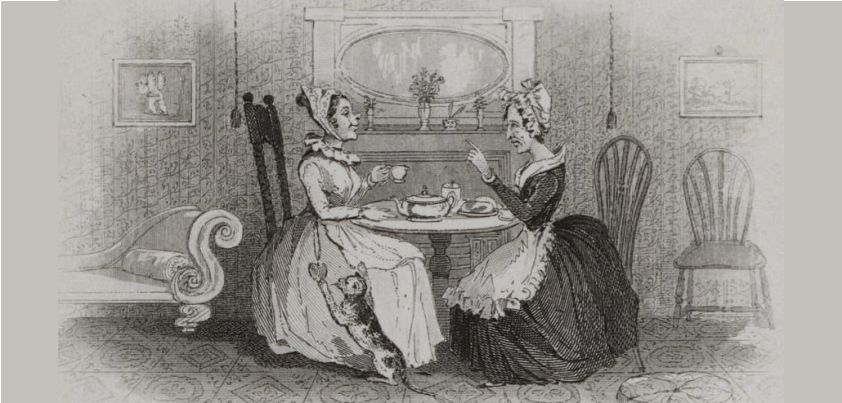 In this story by Peter Taylor, an aged woman looks back at a traumatic period in her youth that may have shaped her life and led to spinsterhood. Her mother’s religious condemnation of alcohol sets the scene for the story. The subsequent loss of her mother following a still-birth, growing up in a (drinking) male-dominated household, and her phobia about the town drunk at a critical period in her life (as she enters puberty) leave her isolated and in fear of the masculine world. Themes include family dynamics, personal growth, isolation and loneliness, fear, cruelty, sexual conflict. More…
All About Suicide
 Like many Luisa Valenzuela stories, a major theme of All About Suicide is the unchecked violence of daily life in 1960/70s Argentina. The story is notable for its unusual plot structure. It begins with a description of a shooting, travels back to (supposedly) irrelevant events in the distant past, fast forwards to the immediate past, and then re-describes the shooting. Thanks to the way Valenzuela playfully misleads readers with ambiguous possessive adjectives, the true nature of the shooting remains unclear until the last sentence. Other themes include treachery, suppression, guilt, courage, exposure, murder-suicide. More…
The King of Jazz
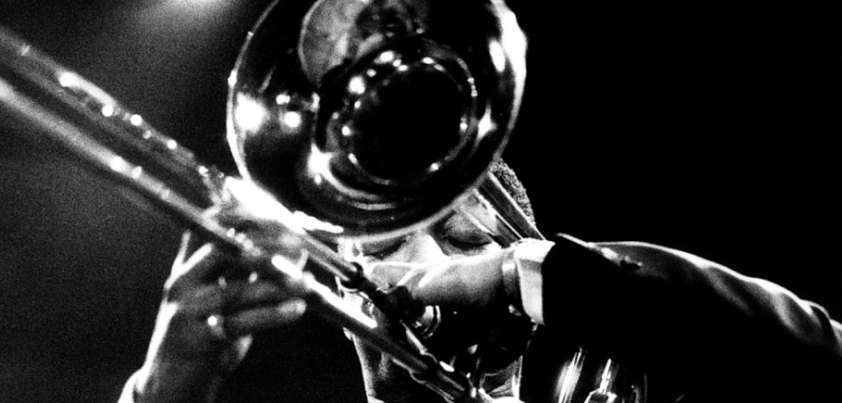 The King of Jazz provides a satirical account of several aspects of the American music scene. Donald Barthelme loved jazz, and his main target here are fickle music critics and the way they try to out-do each other with flowery and often meaningless language when describing performances. He also makes fun of the ‘cutting contests’ once used by musicians to judge themselves against one another and, in so doing, satirizes the system of ‘chair challenges’ that were (are?) common in U.S. school bands. Finally, he sends up the notion that American musicians are the preeminent force in world jazz. More…