 Mary Gaitskill doesn’t pull punches. This is one of those rare stories where you (almost) feel sympathy for a protagonist who is a real jerk. A father reflects on the past after learning that his daughter has written a magazine article about their relationship following her “coming out” as lesbian. Any sympathy stems from the fact that there are two sides to his character: the angry, self-absorbed homophobe who threw his daughter out of the house; and the confused, reclusive, emotionally troubled man struggling to face his failings as a father. Themes: father-daughter relationships, teenage rebellion, sexual identity, acceptance, disconnection. More…
The Elephant Vanishes
 The major theme of this surreal mystery by Haruki Murakami is how commercialism and modernization have upset Japan’s traditional social order. Other themes include unity, perception, disillusionment, alienation, paralysis, isolation and connection. An aging elephant and keeper symbolize the old ways, destined to vanish when displaced by urban development. The city’s absurd responses to the disappearance signify the uneasiness and confusion brought about by the changes. The narrator, a loner used to unity and balance in his life, becomes so disoriented by what he saw on the night of the disappearance that he is unable to make important decisions. More…
The Blind Men and the Elephant
 This children’s story from James Baldwin is based on a religious parable from India. Six blind men come across an elephant for the first time. Although they have often heard about elephants, they have never been close to one. They ask the elephant’s carer if they could try to ‘see’ what it looks like by using their sense of touch. At the end of the story, the blind men are arguing fiercely. Each of them has put their hands on a different part of the elephant’s body. Each of them believes that only he knows what the elephant looks like. More…
The Lottery
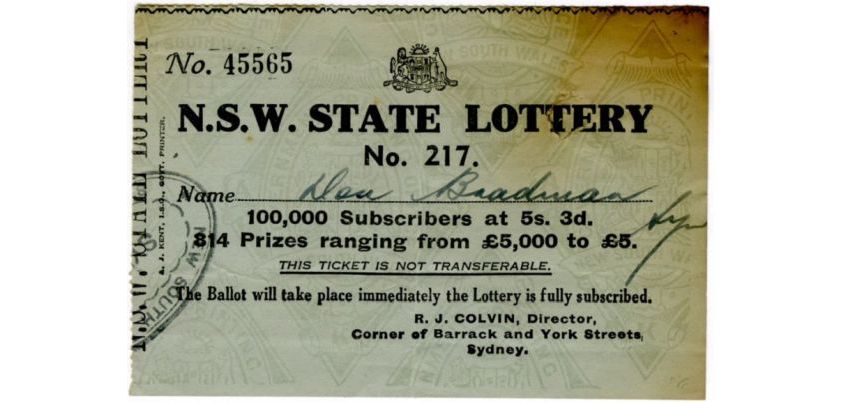 This story by Marjorie Barnard is set in 1930s Sydney. On the protagonist’s way home from work, friends draw his attention to a newspaper report that his wife has won first prize in a lottery. His initial reaction is to wonder “Why didn’t she contact him at work? and Where did she get the money? He later reflects on how great his wife and married life are, albeit in terms of gender norms of the day. When he gets home, his wife’s reaction to the win is not what he had expected. Themes include patriarchy, gender roles, complacency, alienation, rebellion. More…
The Jewels / False Gems
 This tongue-in-cheek story by Guy de Maupassant could be said to reflect two English proverbs: ignorance is bliss, and money can’t buy happiness. A recently widowed man of modest means is shocked to learn that his seemingly perfect wife had been living a decadent secret life. When he discovers that her “fake” jewels are real, he quits his job, becomes a man of leisure, and remarries a “very virtuous” woman who causes him much sorrow. The story introduces several important themes: appearances (things aren’t always as they seem), infidelity, vanity, hypocrisy, French bourgeois morality, exploitation of the working class. More…