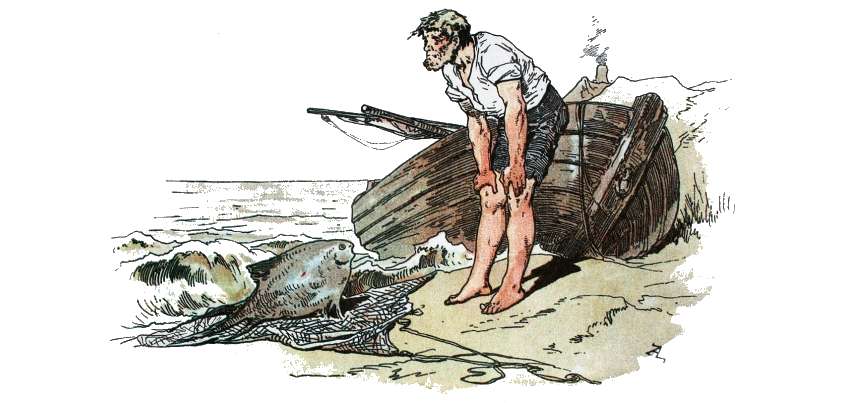
 It’s time for another folktale. This one is about dissatisfaction and greed. A poor fisherman catches an enchanted fish and sets it free. When he tells his wife, she is angry that he did not demand a wish in return. She sends him to ask the fish for a nicer house. When the fish grants this, the wife becomes greedy. She sends her husband back several times to ask for bigger and bigger things. Her final wish is so outrageous that the fish either will not or cannot grant it. The fisherman is no doubt happy with what happens next. More…
I Have No Mouth and I Must Scream
 This story from Harlan Ellison is an example of New Wave Science Fiction, a literary movement that flourished in the 1960s and 1970s. Distinguishing features are storylines that are intellectually implausible, and disturbing themes that would not normally be included in traditional science fiction. A sentient supercomputer has destroyed the human race other than five ‘specimens’. With no creative outlet for its powers, it has kept these alive and subjected them to torturous challenges for over one hundred years as revenge against humanity for creating it. Themes: humanity vs. technology, godhood, individualism, revenge, cruelty, violence, misogyny, self-sacrifice More…
Immortality
 Yiyun Li’s story exploring aspects of China’s transition from empire to communist super-power is unusual in that its point of view is not that of a single character, but rather the collective voice of a rural community. Central themes are lack of power of the individual (symbolized by emasculation), and abuse of power by the ruling classes. Secondary themes are the methods adopted by the Communist Party to consolidate its power (indoctrination through cultism, repression and fear), and the changes taking place as modern technology exposes the masses to Western lifestyles and values. More…
The Hack Driver
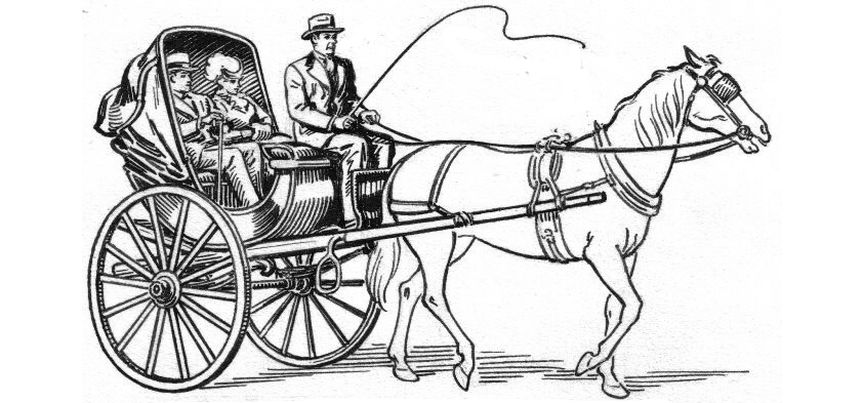 In this amusing story by Sinclair Lewis, a newly qualified lawyer is sent to a small town forty miles into the countryside to serve a summons on a man needed for an important case. Although unsuccessful, he thoroughly enjoys his time with the helpful hack driver who drives him around all day, always one step behind his elusive quarry. He returns the next day with someone who knows the man he was looking for, and finds him standing beside his hack at the station. Themes include naivety, blind faith, deception and trickery, country vs. city life. More…
Nadia the Willful
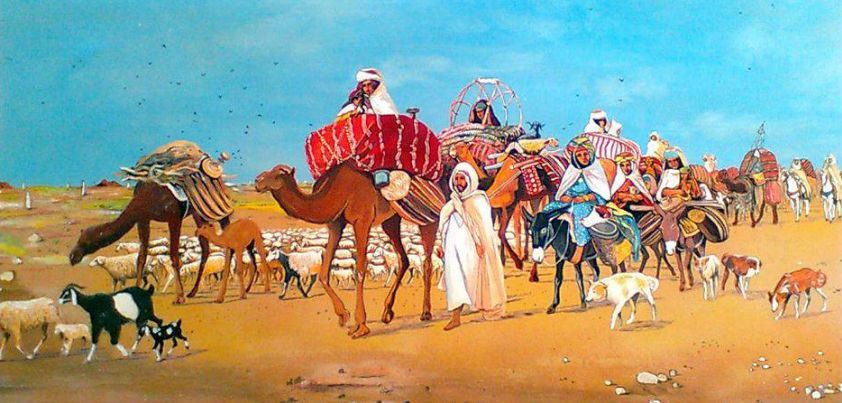 The central theme of this story from Sue Alexander is dealing with grief and loss. When a Bedouin boy is lost in the desert, his shattered father (a tribal sheik) decrees that none of his people speak the boy’s name. Nadia, his willful daughter, finds that the only way she can cope with her brother’s loss is to talk about their happy times together. When others follow her example, the sheik reacts angrily. However he, too, soon learns that rather than blocking out the memory, the best way process the death of a loved one is to celebrate their life. More…